














A Vinous Odyssey: The Best Wine Regions in the World
The Best Wine Regions in the World
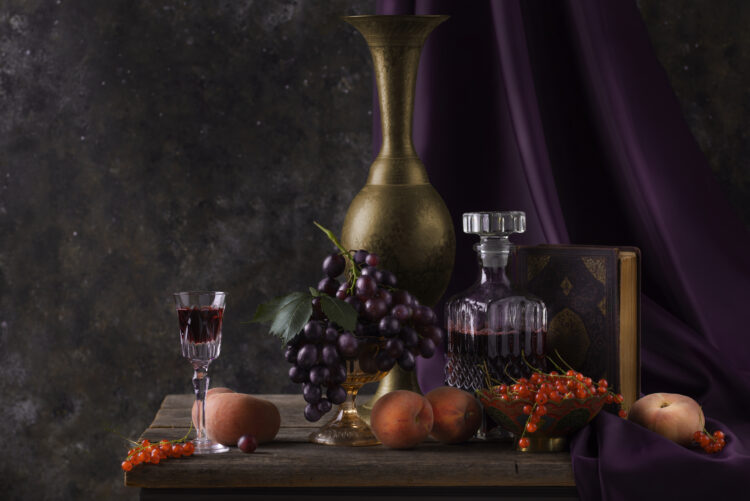
Embarking on a journey through the world’s best wine regions is akin to a grand adventure, where every vineyard is a chapter and every bottle, a story waiting to be told. From the sun-drenched hills of Tuscany to the lush valleys of Napa, this article is your guide to the must-visit destinations for wine enthusiasts. Join us on this vinous odyssey as we traverse the globe, exploring the unique terroirs, grape varieties, and cultural nuances that make each wine region a captivating destination for aficionados and wanderers alike.
1.Bordeaux, France: The Elegance of Tradition
Nestled along the banks of the Garonne River, Bordeaux stands as a testament to the elegance of tradition. Renowned for its illustrious châteaux and centuries-old winemaking heritage, Bordeaux is divided into several sub-regions, each contributing its distinctive character to the region’s wine tapestry.
-
- Left Bank vs. Right Bank: Bordeaux is often divided into the Left Bank and the Right Bank, each offering wines with unique characteristics. The Left Bank, with its gravelly soils, produces Cabernet Sauvignon-dominated blends, resulting in wines of structure and longevity. On the Right Bank, Merlot takes center stage, contributing to softer, more approachable wines.
- Pauillac and Saint-Émilion: Pauillac, on the Left Bank, is home to some of Bordeaux’s most prestigious estates, including Château Lafite Rothschild and Château Latour. On the Right Bank, Saint-Émilion boasts charming medieval architecture and produces Merlot-driven wines celebrated for their velvety textures and lush fruit flavors.
- Sauternes and the Sweet Elixirs: Bordeaux is not only renowned for its red wines but also for the exquisite sweet wines of Sauternes. Produced from botrytized grapes, these golden elixirs from estates like Château d’Yquem offer a harmonious blend of sweetness and acidity.
- Wine Tourism in Bordeaux: Bordeaux welcomes wine enthusiasts with open arms, offering guided tours, tastings, and the chance to explore the historic cellars of iconic estates. The city itself is a cultural treasure, with its neoclassical architecture and the renowned Cité du Vin, a museum dedicated to the world of wine.
2.Tuscany, Italy: The Romance of the Rolling Hills
Tuscany, a region synonymous with romance and rustic beauty, is a haven for wine lovers seeking the perfect blend of art, culture, and exceptional wines. From the iconic Chianti Classico to the historic estates of Montalcino, Tuscany captivates with its picturesque landscapes and celebrated wine traditions.
-
- Chianti Classico and Sangiovese: The rolling hills of Chianti Classico, adorned with vineyards and cypress trees, produce wines primarily crafted from the Sangiovese grape. These wines are known for their bright acidity, cherry notes, and a distinct minerality that reflects the terroir.
- Brunello di Montalcino: In the serene hills surrounding the town of Montalcino, Brunello di Montalcino takes center stage. Crafted exclusively from Sangiovese Grosso, these wines are characterized by their bold structure, rich red fruit flavors, and the ability to age gracefully for decades.
- Super Tuscans and Innovation: Tuscany is also home to the renowned Super Tuscans, a category of wines that challenged traditional Italian winemaking regulations. Blending international varieties like Cabernet Sauvignon with native grapes, Super Tuscans such as Sassicaia and Ornellaia showcase the region’s innovative spirit.
- Wine and Art in Tuscany: The charm of Tuscany extends beyond the vineyards. Visitors can explore medieval villages, art-filled cities like Florence, and indulge in the culinary delights of the region. Many wineries also offer art installations and cultural events, creating a seamless fusion of wine and the arts.
3.Napa Valley, USA: The Pinnacle of American Viticulture
Napa Valley, often regarded as the crown jewel of American viticulture, is synonymous with opulent Cabernet Sauvignon, scenic vineyards, and a vibrant wine culture. Located in California, this region has played a pivotal role in establishing the United States as a force in the global wine industry.
-
- Cabernet Country: Napa Valley is renowned for its Cabernet Sauvignon, particularly from sub-regions like Oakville, Rutherford, and Stags Leap District. These wines often showcase ripe fruit flavors, supple tannins, and the influence of the region’s diverse terroir.
- Cult Wineries and Iconic Estates: Napa Valley boasts an array of cult wineries and iconic estates, including names like Screaming Eagle, Opus One, and Harlan Estate. These producers have elevated Napa’s reputation by crafting limited-production, highly sought-after wines.
- Wine Train and Culinary Excellence: Exploring Napa Valley goes beyond the vineyards. The Napa Valley Wine Train offers a unique journey through the scenic landscapes, providing a luxurious setting to savor local wines and gourmet cuisine. The region’s culinary scene, with Michelin-starred restaurants and farm-to-table experiences, complements the exceptional wines.
- Sustainability and Innovation: Napa Valley has embraced sustainable viticulture practices, with many wineries incorporating eco-friendly initiatives. Additionally, the region is at the forefront of technological innovation, utilizing cutting-edge techniques to enhance vineyard management and winemaking.
4.Mendoza, Argentina: The High Altitude Elegance
Nestled against the backdrop of the Andes Mountains, Mendoza stands as the heart of Argentina’s wine country. Famous for its high-altitude vineyards and exceptional Malbec, Mendoza offers a unique combination of old-world winemaking traditions and the allure of the rugged Andean landscapes.
-
- Malbec Marvels: Mendoza is synonymous with Malbec, a grape that has found its ideal home in the region’s high-altitude vineyards. These wines are celebrated for their deep color, velvety texture, and a symphony of dark fruit flavors, often with a touch of the region’s signature terroir-driven minerality.
- Uco Valley and Altamira: The Uco Valley, within Mendoza, has gained acclaim for its high-altitude vineyards in areas like Altamira. These sites produce wines with a pronounced sense of place, reflecting the altitude, cool climate, and distinct soil profiles.
- Wine and Gastronomy in Mendoza: Mendoza offers a vibrant wine and gastronomic scene, with numerous wineries opening their doors to visitors. The region’s traditional Argentine barbecue, known as an asado, pairs perfectly with the robust red wines, creating a sensory experience that reflects the essence of Argentine culture.
- Adventure in the Andes: Beyond the vineyards, Mendoza invites adventure enthusiasts to explore the stunning landscapes of the Andes. Activities like hiking, horseback riding, and even skiing are accessible, making Mendoza a destination that caters to both wine lovers and nature enthusiasts.
5.Barossa Valley, Australia: The Bold Symphony Down Under
Australia’s Barossa Valley, with its bold and robust wines, stands as a testament to the country’s prowess in winemaking. Known for its Shiraz, Barossa Valley combines a rich winemaking heritage with a contemporary approach, offering visitors a taste of Australian ingenuity in every glass.
-
- Shiraz Showcases: Barossa Valley is synonymous with Shiraz, a grape variety that thrives in the region’s warm climate. Barossa Shiraz is characterized by its bold, full-bodied nature, with flavors of dark fruits, spice, and a distinctive eucalyptus note.
- Old Vines and Heritage: The region is home to some of the world’s oldest Shiraz vines, with gnarled, ancient vines contributing to the complexity and depth of the wines. Barossa’s winemakers take pride in preserving these heritage vines and crafting wines that reflect the unique history of the region.
- Eden Valley and Riesling Elegance: While Shiraz takes center stage, Barossa Valley’s Eden Valley is celebrated for its elegant Rieslings. The high-altitude vineyards in Eden Valley impart a crisp acidity and vibrant citrus notes to the Riesling, showcasing the region’s versatility.
- Wine and Cultural Festivals: Barossa Valley hosts a myriad of wine and cultural events throughout the year, including the famous Barossa Vintage Festival. These festivals offer a blend of wine tastings, culinary experiences, and live entertainment, creating a vibrant atmosphere that reflects the region’s dynamic spirit.
6.Douro Valley, Portugal: The Enchanting Home of Port Wine
Nestled along the meandering Douro River, the Douro Valley in Portugal is a UNESCO World Heritage site and the enchanting home of Port wine. Steep terraced vineyards, historic quintas, and a rich winemaking heritage make Douro Valley a captivating destination for wine enthusiasts seeking a taste of Portugal’s vinous treasures.
-
- Port Wine and the Quintas: Douro Valley is synonymous with Port wine, a fortified wine that has been produced here for centuries. The region is dotted with quintas, traditional wine estates, where visitors can explore the ancient cellars, witness the winemaking process, and savor the rich, complex flavors of Port.
- Douro Reds and Indigenous Grapes: In addition to Port, Douro Valley produces exceptional dry red wines. These wines, often crafted from indigenous grape varieties like Touriga Nacional and Touriga Franca, showcase the region’s terroir, offering a compelling alternative to the fortified styles.
- Scenic Cruises and Vineyard Tours: Exploring Douro Valley is a visual feast, with terraced vineyards cascading down the hillsides. River cruises along the Douro provide a unique perspective of the landscape, while vineyard tours and tastings offer an intimate look at the winemaking traditions.
- Historic Villages and Culinary Delights: Douro Valley is adorned with charming historic villages, such as Pinhão and Peso da Régua, where visitors can stroll through cobblestone streets and savor traditional Portuguese cuisine. The region’s gastronomy, featuring hearty dishes and flavorful olive oils, complements the robust wines.7.Stellenbosch, South Africa: The Cape’s Vinous Jewel
Stellenbosch, nestled in the Western Cape of South Africa, stands as the country’s vinous jewel, combining Old World charm with New World innovation. Known for its diverse terroir and exceptional Bordeaux-style blends, Stellenbosch invites wine enthusiasts to explore the beauty of the Cape Winelands.
-
- Bordeaux Blends and South African Terroir: Stellenbosch is renowned for its Bordeaux-style blends, often featuring Cabernet Sauvignon, Merlot, and Cabernet Franc. The region’s diverse terroir, with varying soils and microclimates, contributes to the complexity and character of these wines.
- Chenin Blanc Excellence: Stellenbosch has also gained acclaim for its elegant Chenin Blanc wines. The versatility of Chenin Blanc is showcased in Stellenbosch, with producers crafting a spectrum of styles, from crisp and mineral-driven to rich and honeyed.
- Wine Routes and Scenic Beauty: Stellenbosch offers several wine routes, guiding visitors through picturesque landscapes and a mosaic of vineyards. The Cape Winelands, with its rolling hills and mountainous backdrop, provides a stunning setting for both wine tasting and outdoor activities.
- Culinary Experiences and Art: Stellenbosch’s culinary scene is a delightful complement to its wines, with world-class restaurants and farm-to-table experiences. The town also boasts a thriving arts community, with galleries and studios adding a cultural dimension to the vinous experience.
Conclusion
As we conclude this vinous odyssey through the world’s best wine regions, it’s evident that each destination offers a unique blend of terroir, tradition, and innovation. Whether you’re sipping Cabernet Sauvignon in Napa Valley, indulging in an Argentine asado in Mendoza, or exploring the historic quintas along the Douro River, each region beckons with its own charm and vinous allure.
From the classics of Bordeaux to the bold Shiraz of Barossa Valley, the wine world is a tapestry of flavors, stories, and cultural richness. So, whether you’re a seasoned oenophile or an adventurous novice, set forth on your vinous journey, and let the world’s best wine regions be your guide to a symphony of tastes and experiences. Cheers to the global celebration of wine, where every glass is a passport to a new chapter in the ever-evolving narrative of viticulture and viniculture.

Written by
Ajay Kuriakose Jacobs
Wine making
February 19, 2024
© Copyright 2026 Ajay Kuriakose Jacobs All Rights Reserved.
Archive
Frequently Read Topics


