














The Role of Spices in Traditional Medicine: Healing and Prevention
The Role of Spices in Traditional Medicine: Healing and Prevention
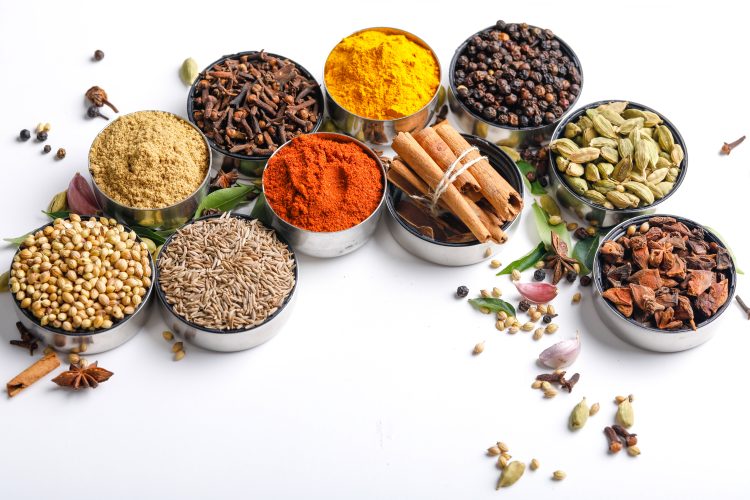
Throughout history, spices have played a central role not only in culinary traditions but also in traditional medicine systems around the world. From the ancient healing practices of Ayurveda in India to Traditional Chinese Medicine (TCM) and indigenous healing traditions, spices have been revered for their therapeutic properties and used to treat a wide range of ailments. In this comprehensive exploration, we delve into the rich history and profound significance of spices in traditional medicine, uncovering the healing potential of these aromatic treasures and their role in promoting health and wellness.
Ancient Wisdom: The Roots of Spice Medicine
The use of spices for medicinal purposes dates back thousands of years, with ancient civilizations harnessing the healing properties of plants and herbs to promote health and well-being. In India, the ancient healing system of Ayurveda emphasizes the importance of maintaining balance and harmony within the body through diet, lifestyle, and herbal remedies. Spices are a cornerstone of Ayurvedic medicine, valued not only for their culinary appeal but also for their ability to support digestion, boost immunity, and treat a variety of health conditions.
Similarly, in Traditional Chinese Medicine (TCM), spices are prized for their ability to regulate the flow of Qi, or vital energy, and balance the Yin and Yang energies within the body. TCM uses a variety of spices and herbs to tonify the body’s organ systems, dispel pathogenic factors, and promote overall health and vitality. Spices such as ginger, cinnamon, and turmeric are commonly used in TCM formulations to warm the body, improve circulation, and support digestive function.
Indigenous healing traditions around the world also incorporate spices into their medicinal practices, using locally available plants and herbs to treat specific ailments and promote wellness. In many cultures, spices are regarded not only as food but also as medicine, with ancient wisdom passed down through generations to guide their use for healing and prevention.
Healing Properties: The Science Behind Spice Medicine
While traditional medicine systems have long recognized the therapeutic properties of spices, modern scientific research is beginning to uncover the mechanisms behind their healing effects. Many spices contain bioactive compounds such as antioxidants, anti-inflammatory agents, and antimicrobial substances that exert profound effects on the body’s physiology and biochemistry.
Turmeric, for example, contains curcumin, a powerful anti-inflammatory compound that has been shown to reduce inflammation, alleviate pain, and support joint health. Studies have also demonstrated that curcumin may have anticancer properties, inhibiting the growth and spread of cancer cells in laboratory studies.
Ginger is another spice with well-documented health benefits, including anti-nausea, anti-inflammatory, and digestive-stimulating effects. Gingerols, the active compounds in ginger, have been shown to reduce nausea and vomiting associated with motion sickness, chemotherapy, and pregnancy, making ginger a popular remedy for gastrointestinal complaints.
Cinnamon, prized for its sweet and warming aroma, has also garnered attention for its potential health benefits. Cinnamaldehyde, the main active compound in cinnamon, has been shown to lower blood sugar levels, improve insulin sensitivity, and reduce inflammation in animal and human studies. Cinnamon may also help lower cholesterol levels and reduce the risk of heart disease when consumed as part of a healthy diet.
Preventive Medicine: Harnessing the Power of Spices for Wellness
In addition to their therapeutic properties, spices also play a key role in preventive medicine, helping to protect the body against disease and promote overall wellness. Many spices are rich in antioxidants, which help neutralize harmful free radicals and protect against oxidative stress, a key driver of chronic diseases such as heart disease, cancer, and diabetes.
For example, cloves, cinnamon, and oregano are among the spices with the highest antioxidant activity, making them potent allies in the fight against oxidative damage and inflammation. Incorporating these spices into your diet can help support immune function, reduce the risk of chronic disease, and promote longevity and vitality.
Spices also offer a natural and flavorful way to enhance the nutritional value of meals, making it easier to meet your daily requirements for essential vitamins, minerals, and phytonutrients. Whether sprinkled over savory dishes, brewed into teas, or blended into smoothies, spices can add depth and complexity to your diet while providing a wealth of health-promoting benefits.
Incorporating Spice Medicine into Your Lifestyle
Incorporating spice medicine into your lifestyle is a simple and delicious way to support your health and well-being. Start by experimenting with different spices and herbs in your cooking, exploring new flavors and combinations to create exciting and nutritious meals.
For example, add turmeric and black pepper to soups, stews, and curries for a vibrant splash of color and flavor, or sprinkle cinnamon and nutmeg over oatmeal, yogurt, or baked goods for a warm and comforting treat. Ginger can be grated into teas, smoothies, and salad dressings for a refreshing burst of flavor, while cloves and cardamom can be infused into hot drinks such as chai tea or mulled cider for a fragrant and invigorating beverage.
You can also incorporate spices into your daily routine by taking them as dietary supplements or herbal remedies. Turmeric supplements, for example, are available in capsule or powder form and can be taken daily to support joint health, reduce inflammation, and promote overall well-being. Similarly, ginger capsules or tinctures can be taken to alleviate nausea, aid digestion, and support immune function.
Final Thoughts: Embracing the Healing Power of Spices
In conclusion, spices have been revered for their medicinal properties for thousands of years, playing a central role in traditional medicine systems around the world. From the ancient healing practices of Ayurveda and Traditional Chinese Medicine to indigenous healing traditions, spices have been valued for their ability to promote health, prevent disease, and enhance overall well-being.
Modern scientific research is beginning to uncover the mechanisms behind the healing effects of spices, revealing the presence of bioactive compounds that exert profound effects on the body’s physiology and biochemistry. By incorporating spices into your diet and lifestyle, you can harness the healing power of these aromatic treasures and support your health and wellness naturally.
So, next time you reach for a spice jar in your kitchen, remember that you’re not just adding flavor to your food – you’re also nourishing your body and nurturing your health with the rich and diverse array of compounds found in these humble yet powerful ingredients. Embrace the healing power of spices and let their aromatic allure guide you on a journey to greater health and vitality.
Next Article

Written by
Ajay Kuriakose Jacobs
Spices
March 20, 2025
© Copyright 2026 Ajay Kuriakose Jacobs All Rights Reserved.
Archive
Frequently Read Topics


