














Beagle: The Beagle’s Amazing Sense of Smell – How it’s Used in Different Ways
Beagle: The Beagle’s Amazing Sense of Smell – How it’s Used in Different Ways
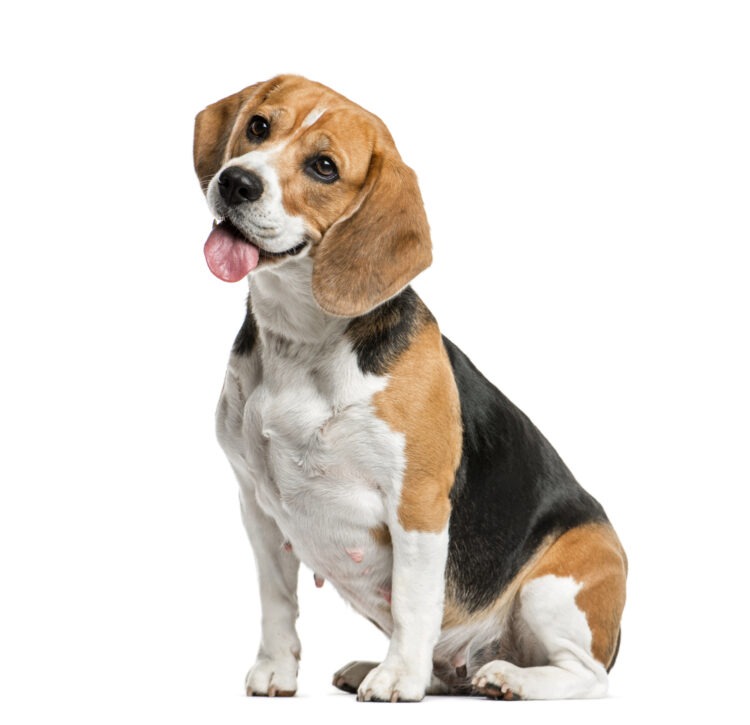
In the diverse world of dog breeds, the Beagle stands out as a remarkable canine with an extraordinary sense of smell. This small to medium-sized hound is renowned for its olfactory prowess, which goes far beyond the conventional uses of most dog breeds. In this exploration, we delve into the incredible capabilities of the Beagle’s sense of smell and how these dogs utilize their olfactory skills in various ways, from traditional roles to contemporary applications.
1.The Beagle’s Olfactory Anatomy
Before we dive into the myriad applications of a Beagle’s sense of smell, it’s crucial to understand the biological foundation that makes these dogs exceptional sniffers. Beagles possess approximately 220 million scent receptors in their noses, dwarfing the mere 5 million found in humans. Their olfactory bulbs, responsible for processing scents, are also significantly larger than those of many other dog breeds. This remarkable combination of anatomical features equips Beagles with an unparalleled ability to detect and analyze scents.
2.Hunting Companions
Historically, Beagles were bred for their hunting prowess, and their keen sense of smell played a pivotal role in this purpose. These dogs were originally used for hunting small game, particularly rabbits, owing to their compact size and exceptional olfactory abilities. Beagles can follow a scent trail with unparalleled precision, making them indispensable companions for hunters. Even today, many Beagle owners engage in recreational hunting activities, showcasing the breed’s natural instincts and aptitude for tracking.
3.Search and Rescue Operations
The Beagle’s extraordinary sense of smell has found modern applications in search and rescue operations. Their ability to detect specific scents over long distances makes them valuable assets in locating missing persons or disaster survivors. Beagles are often trained to identify unique human scents, enabling them to navigate challenging terrains and locate individuals buried under rubble or lost in vast wilderness areas. Their agility and determination complement their olfactory skills, making them crucial contributors to search and rescue teams.
4.Airport Security and Contraband Detection
The Beagle’s incredible olfactory abilities are harnessed in various law enforcement capacities, particularly in airport security. Due to their non-threatening appearance and exceptional scent detection capabilities, Beagles are employed to detect contraband items such as drugs, explosives, and agricultural products. These dogs can efficiently screen luggage, cargo, and passengers, contributing to the prevention of illegal activities and the protection of national security.
5.Medical Detection Dogs
In recent years, Beagles have been trained for groundbreaking roles in the medical field. Their ability to detect specific scents associated with various medical conditions has opened doors to new possibilities in early disease detection. Beagles have shown promise in detecting conditions such as diabetes, certain types of cancer, and even bacterial infections. Their accuracy in identifying subtle changes in bodily odors could lead to the development of non-invasive, early detection methods for a range of medical conditions.
6.Assistance Dogs for Individuals with Health Conditions
Beyond medical detection, Beagles are increasingly being recognized as valuable assistance dogs for individuals with specific health conditions. Their keen sense of smell allows them to alert their owners to potential issues, such as changes in blood sugar levels for individuals with diabetes or impending seizures for those with epilepsy. The Beagle’s ability to sense and respond to these changes contributes to the well-being and safety of their human companions, showcasing the breed’s adaptability in diverse roles.
7.Truffle Hunting Specialists
Beagles have a long history of working as truffle hunters, utilizing their olfactory abilities to locate these elusive and highly prized fungi. Trained Beagles can identify the distinct scent of truffles beneath the soil, leading to a resurgence of interest in using these dogs for truffle cultivation. Their small size and nimbleness make them well-suited for navigating the forest floor in search of these hidden treasures, turning truffle hunting into both a practical application and an enjoyable activity for Beagle enthusiasts.
8.Scent-Based Games and Enrichment
Harnessing a Beagle’s sense of smell doesn’t always have to serve a specific purpose; it can also be a source of entertainment and mental stimulation. Many Beagle owners engage their dogs in scent-based games and enrichment activities. This not only provides an outlet for their natural instincts but also helps keep them mentally engaged and physically active. Activities such as scent trails, hide-and-seek with scented objects, and puzzle toys that dispense scented treats allow Beagles to indulge in their olfactory-driven curiosity.
Conclusion
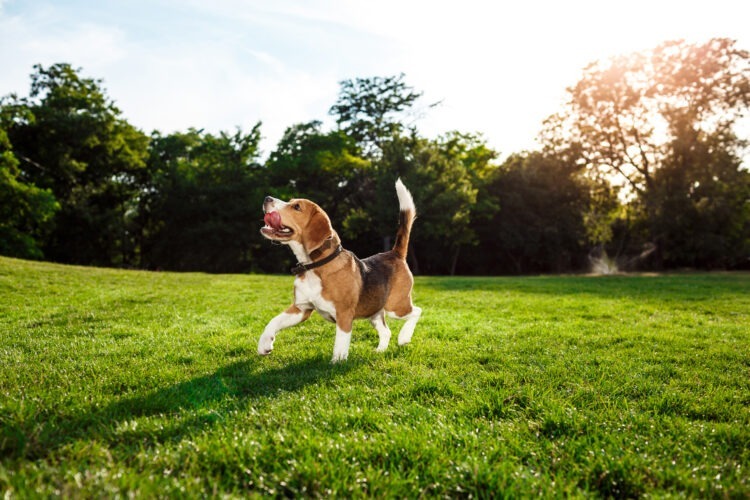
In conclusion, the Beagle’s amazing sense of smell is a multifaceted trait that has been harnessed in diverse ways throughout history and into the present day. From their traditional role as hunting companions to their modern applications in search and rescue, airport security, medical detection, and assistance work, Beagles continue to demonstrate the depth of their olfactory prowess. As we further explore and understand the capabilities of these remarkable dogs, it becomes clear that the Beagle’s nose is not just a tool for hunting, but a versatile asset that contributes to their adaptability and success in a variety of roles.
Previous Article
Alaskan Malamutes: The Perfect Companion for Outdoor Adventures – Unleashing the Spirit of the Arctic WildernessNext Article
Australian Shepherds: More Than Just a Pretty Coat
Written by
Ajay Kuriakose Jacobs
Dogs
February 24, 2024
© Copyright 2026 Ajay Kuriakose Jacobs All Rights Reserved.
Archive
Frequently Read Topics


