














Gouramis: The Peaceful and Colorful Fish – How to Care for Them
Gouramis: The Peaceful and Colorful Fish – How to Care for Them
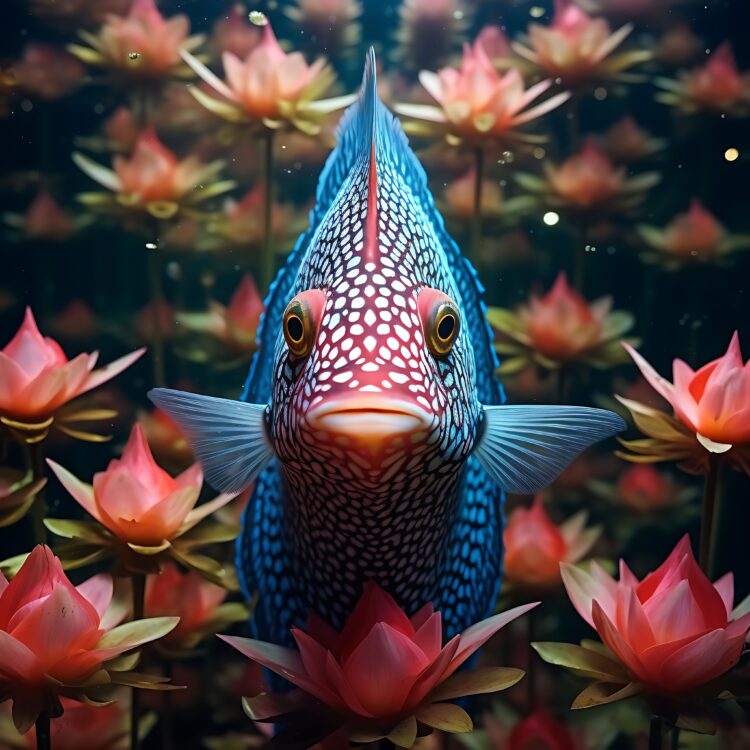
In the world of aquarium keeping, few fish are as captivating and enchanting as the gouramis. With their vibrant colors, unique personalities, and peaceful nature, gouramis have become popular choices for both novice and experienced aquarists. This feature article is a deep dive into the mesmerizing world of gouramis, exploring their diverse species, striking characteristics, ideal care requirements, and the secrets to keeping these peaceful and colorful fish thriving in your aquarium.
The Enchanting World of Gouramis
Gouramis, belonging to the family Osphronemidae, encompass a wide variety of species. These fish are native to Asia and have captured the fascination of aquarists around the world for decades. Renowned for their vibrant colors and distinctive behaviors, gouramis have earned a special place in the hearts of aquarium enthusiasts.
Variety of Species:
Gouramis comprise an extensive group of species, each with its unique charm. Some well-known species include the Pearl Gourami, Dwarf Gourami, Blue Gourami, and the opulent Paradise Gourami. The diversity within the gourami family offers aquarists a multitude of choices in terms of colors, sizes, and behaviors.
Colorful Personalities:
Gouramis are celebrated for their captivating colors and distinctive personalities. These fish are available in a spectrum of hues, ranging from dazzling reds and blues to subdued pastels. Their vibrant appearance makes them living jewels in the aquatic world.
Peaceful Nature:
Gouramis are often referred to as “gentle giants” of the aquarium world. Their peaceful disposition makes them an excellent choice for community tanks, as they typically get along well with a variety of tank mates.
Anabantoid Labyrinth Fish:
One of the most intriguing features of gouramis is their status as anabantoids, or labyrinth fish. They possess a specialized organ called the labyrinth, which allows them to extract oxygen directly from the air. This adaptation enables gouramis to survive in oxygen-deprived waters, making them highly adaptable and resilient.
Gourami Species Spotlight
Let’s take a closer look at some of the most popular and beloved gourami species:
**1. Dwarf Gourami (Trichogaster lalius):
- Characteristics: Dwarf gouramis are known for their small size and stunning colors. They exhibit a rich array of colors, including vibrant reds and blues. Males typically have more vivid hues and longer dorsal fins.
- Behavior: These gouramis are peaceful and easy to care for, making them an excellent choice for beginners. They enjoy heavily planted tanks with plenty of hiding spots.
**2. Pearl Gourami (Trichopodus leerii):
- Characteristics: Pearl gouramis are named for the pearly spots that adorn their bodies. They are distinguished by their elegant appearance, with a long dorsal fin and striking colors, including pearl-like patterns.
- Behavior: Pearl gouramis are known for their docile nature. They are generally peaceful and can coexist with a variety of tank mates, making them a great addition to community aquariums.
**3. Blue Gourami (Trichopodus trichopterus):
- Characteristics: Blue gouramis, also known as Three-Spot Gouramis, are named for the dark blue spots on their bodies. They come in various colors, including blue, gold, and opaline varieties.
- Behavior: While they are generally peaceful, Blue Gouramis can be territorial, particularly during the breeding season. Providing ample hiding spots and dividing the tank with decorations can help mitigate aggression.
**4. Paradise Gourami (Macropodus opercularis):
- Characteristics: Paradise Gouramis are celebrated for their striking appearance, with colorful fin patterns and shimmering scales. They exhibit sexual dimorphism, with males being more vibrant and displaying extended dorsal fins.
- Behavior: These gouramis can be territorial, particularly during the breeding season. They are best kept in a planted tank with floating vegetation to create secluded areas.
**5. Kissing Gourami (Helostoma temminckii):
- Characteristics: The Kissing Gourami is unique for its puckered lips, which it uses to graze algae and food particles from surfaces. They are typically silver or pinkish in color.
- Behavior: Kissing Gouramis can be relatively peaceful but may exhibit territorial behavior during mating. They have a distinctive habit of “kissing” each other.
Ideal Care Conditions for Gouramis
To ensure that your gouramis remain healthy and vibrant, it’s essential to create an environment that mimics their natural habitat. Here are the key factors to consider:
Tank Size:
Gouramis come in various sizes, but it’s crucial to provide them with sufficient space. A 20 to 30-gallon tank is suitable for small to medium-sized gouramis, while larger species may require a more extensive tank.
Water Parameters:
Maintaining optimal water conditions is crucial. Here are the recommended parameters for gouramis:
- Temperature: Keep the water temperature in the range of 75°F to 82°F (24°C to 28°C).
- pH Level: Aim for a slightly acidic to neutral pH, typically around 6.0 to 7.5.
- Water Hardness: Gouramis prefer soft to moderately hard water, with a general hardness (GH) of 4 to 10 dH.
Filtration and Aeration:
Gouramis thrive in well-oxygenated water. A good quality filter and aeration system are essential to maintain water quality and ensure proper oxygenation.
Tank Decor:
Gouramis appreciate a well-decorated tank with plenty of plants, driftwood, and hiding spots. Live plants provide not only visual appeal but also help maintain water quality.
Social Compatibility:
Gouramis are social fish but can be territorial, especially during breeding. Consider the compatibility of tank mates, and ensure that the tank has enough hiding spots to reduce aggression.
Cover the Tank:
Gouramis are known to be skilled jumpers. To prevent them from leaping out of the tank, a secure and tightly fitting lid or cover is essential.
Feeding Your Gouramis
Gouramis are omnivorous and have diverse dietary preferences. Providing a balanced and varied diet is crucial to their health and well-being. Here’s what you need to know about feeding gouramis:
Flake and Pellet Foods:
High-quality flake and pellet foods formulated for tropical fish are suitable for gouramis. These foods provide essential nutrients and are readily available.
Live and Frozen Foods:
Gouramis enjoy live and frozen foods like brine shrimp, bloodworms, and daphnia. These foods are particularly appreciated as occasional treats and can help enhance their coloration.
Vegetable Matter:
Gouramis also require vegetable matter in their diet. Offer them blanched vegetables like spinach, zucchini, and peas, as well as high-quality vegetable-based pellets.
Feeding Frequency:
Feed your gouramis small portions two to three times a day. This helps prevent overfeeding and maintains water quality.
Breeding Gouramis: A Rewarding Endeavor
Breeding gouramis can be a fascinating and rewarding experience for aquarists. While the breeding behavior and requirements can vary among species, here are some general guidelines for those interested in breeding these captivating fish:
- Gender Identification: Learn to distinguish between male and female gouramis of your chosen species. Males typically have more vibrant colors and longer fins.
- Spawning Tank: Set up a separate breeding tank with appropriate water conditions, decorations, and plants. Ensure the tank has a tight-fitting lid, as gouramis are known to jump during breeding.
- Courtship and Nest Building: Gouramis engage in intricate courtship rituals, including bubble nest building by the male. Provide floating plants and bubble wrap for the male to create a nest.
- Egg Laying and Parental Care: After the female lays her eggs in the bubble nest, the male guards them diligently. Once the fry hatch, they will be cared for by the male, and you can provide them with infusoria or powdered fry food.
The Delight of Gourami Keeping
Keeping gouramis in your aquarium offers not only visual delight but also an opportunity to observe their unique behaviors and personalities. Whether you’re mesmerized by the iridescent hues of Dwarf Gouramis or captivated by the elegant grace of Pearl Gouramis, these fish have the power to transform your aquarium into a living work of art.
As aquarists, we have the privilege of caring for these peaceful and colorful fish, and in return, they grace our aquatic worlds with their charm and vitality. Gouramis serve as a testament to the beauty and tranquility of the underwater realm, reminding us of the importance of preserving and celebrating the remarkable biodiversity found in our planet’s freshwater ecosystems.
Previous Article
Goldfish: A Glimpse into Their Fascinating History and Care
Written by
Ajay Kuriakose Jacobs
Aquarium Fish
July 17, 2024
© Copyright 2026 Ajay Kuriakose Jacobs All Rights Reserved.
Archive
Frequently Read Topics


