














Harnessing the Power of Earthworms: The Benefits of Earthworm Farming for Soil Health and Nutrient Cycling
Harnessing the Power of Earthworms: The Benefits of Earthworm Farming for Soil Health and Nutrient Cycling
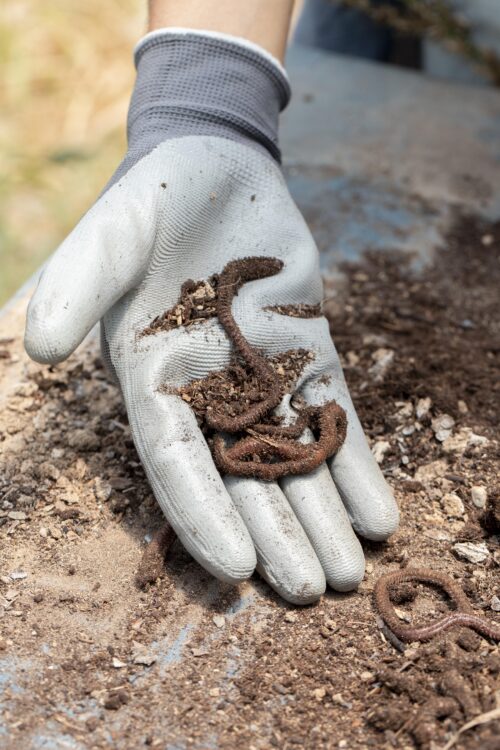
In the world of sustainable agriculture and regenerative farming practices, earthworm farming has emerged as a powerful tool for improving soil health and nutrient cycling. Earthworms, often hailed as nature’s engineers, play a crucial role in enhancing soil fertility and structure through their feeding and burrowing activities. In this article, we will explore the myriad benefits of earthworm farming for soil health and nutrient cycling, and how it is revolutionizing the way we approach agriculture and land management.
Understanding Earthworms and Their Role in Soil Health:
Earthworms are humble creatures that inhabit soils across the globe, playing a vital role in soil ecosystems. These small, segmented invertebrates burrow through the soil, ingesting organic matter and soil particles as they feed. As they digest this organic matter, earthworms excrete nutrient-rich castings, also known as vermicompost, which are prized for their ability to improve soil fertility and structure.
One of the primary benefits of earthworm farming lies in the earthworms’ ability to aerate the soil through their burrowing activities. By creating channels and tunnels in the soil, earthworms improve soil structure, allowing for better water infiltration and root penetration. This, in turn, enhances soil porosity and drainage, reducing the risk of waterlogging and soil compaction.
Additionally, earthworms play a crucial role in nutrient cycling within the soil ecosystem. Through their feeding activities, earthworms break down organic matter, such as plant residues and decaying plant material, into simpler forms that are readily available to plants. This process, known as mineralization, releases essential nutrients such as nitrogen, phosphorus, and potassium into the soil, enriching it with valuable plant nutrients.
Benefits of Earthworm Farming for Soil Health:
- Enhanced Soil Fertility: The nutrient-rich castings produced by earthworms are a valuable source of organic matter and plant nutrients, including nitrogen, phosphorus, and potassium. Incorporating vermicompost into the soil helps replenish soil fertility and provides a steady supply of nutrients to plants, promoting healthy growth and development.
- Improved Soil Structure: Earthworm burrowing activities improve soil structure by loosening compacted soils and creating channels for air and water movement. This enhances soil aeration, drainage, and root penetration, creating a more favorable environment for plant growth and microbial activity.
- Increased Soil Biodiversity: Earthworms are integral to soil ecosystems, supporting a diverse community of microorganisms, fungi, and beneficial soil organisms. By promoting microbial activity and nutrient cycling, earthworm farming enhances soil biodiversity and resilience, making the soil more resilient to environmental stresses and disturbances.
- Sustainable Waste Management: Earthworm farming provides a sustainable solution for managing organic waste materials, such as agricultural residues, food scraps, and livestock manure. By feeding organic waste to earthworms, farmers can convert these materials into nutrient-rich vermicompost, reducing the need for chemical fertilizers and landfill disposal.
- Reduced Environmental Impact: Earthworm farming promotes sustainable agriculture practices by reducing reliance on synthetic fertilizers and pesticides. By enhancing soil fertility and structure naturally, earthworm farming helps minimize nutrient runoff, soil erosion, and water pollution, contributing to environmental conservation and ecosystem health.
- Cost-Effective Soil Amendment: Vermicompost produced through earthworm farming is a cost-effective soil amendment that provides multiple benefits to farmers. Compared to chemical fertilizers, vermicompost is less expensive to produce and offers long-term soil health benefits, including improved soil structure, nutrient retention, and crop productivity.
- Climate Resilience: Healthy soils enriched with organic matter play a crucial role in climate resilience by sequestering carbon dioxide from the atmosphere and mitigating climate change. Earthworm farming contributes to soil carbon sequestration by enhancing soil organic matter content and promoting soil aggregation, helping to combat climate change and enhance agricultural sustainability.
Conclusion:
Earthworm farming holds tremendous potential for improving soil health, enhancing nutrient cycling, and promoting sustainable agriculture practices. By harnessing the power of earthworms, farmers can rejuvenate degraded soils, boost crop productivity, and reduce their environmental footprint. As we continue to explore innovative approaches to land management and soil conservation, earthworm farming stands out as a simple yet powerful solution for building healthy, resilient soils and sustainable food systems for future generations.

Written by
Ajay Kuriakose Jacobs
Earthworm Farming
August 3, 2024
© Copyright 2026 Ajay Kuriakose Jacobs All Rights Reserved.
Archive
Frequently Read Topics


