














Aromatic Journeys: Unveiling the History of Spices from Ancient Times to the Present Day
Aromatic Journeys: Unveiling the History of Spices from Ancient Times to the Present Day
Spices have long captivated the human imagination, tantalizing our senses and igniting culinary adventures across cultures and continents. From the exotic allure of cinnamon and cloves to the fiery intensity of chili peppers and black pepper, spices have shaped the course of history, influencing trade routes, inspiring exploration, and transforming cuisines around the globe. In this rich tapestry of flavors and aromas, we embark on a journey through time to explore the fascinating history of spices, tracing their origins from ancient civilizations to the modern spice trade that continues to thrive today.
- The Dawn of Spice Trade: Ancient Origins and Early Explorations

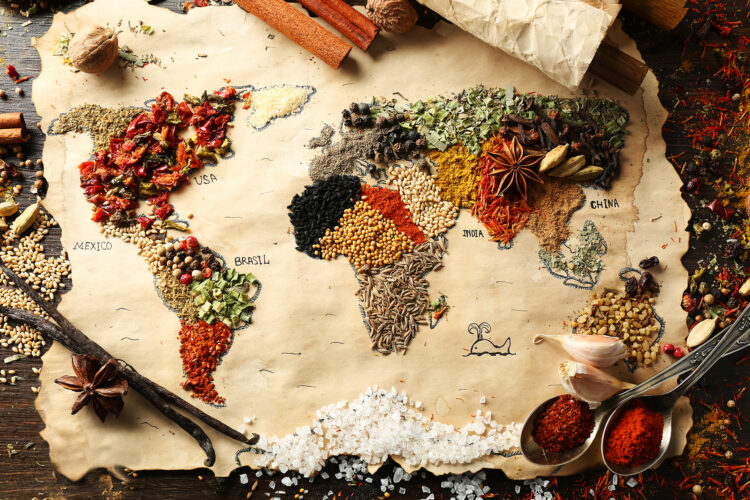
The story of spices begins thousands of years ago in the ancient civilizations of Mesopotamia, Egypt, and the Indus Valley, where aromatic herbs and spices were prized for their culinary, medicinal, and ritualistic purposes. The Egyptians used spices such as cumin, coriander, and cinnamon in embalming rituals and religious ceremonies, while the Mesopotamians and Indus Valley civilizations traded spices along early trade routes, laying the foundations for the spice trade that would flourish in the centuries to come.
As civilizations expanded and trade routes evolved, spices became increasingly sought after commodities, valued not only for their flavor-enhancing properties but also for their perceived medicinal and preservative qualities. The ancient Greeks and Romans imported spices from the Far East via the Silk Road and spice routes across the Arabian Peninsula, using them to season food, mask the taste of spoiled ingredients, and concoct fragrant perfumes and ointments.
- The Spice Routes of Antiquity: Explorers, Traders, and Empires

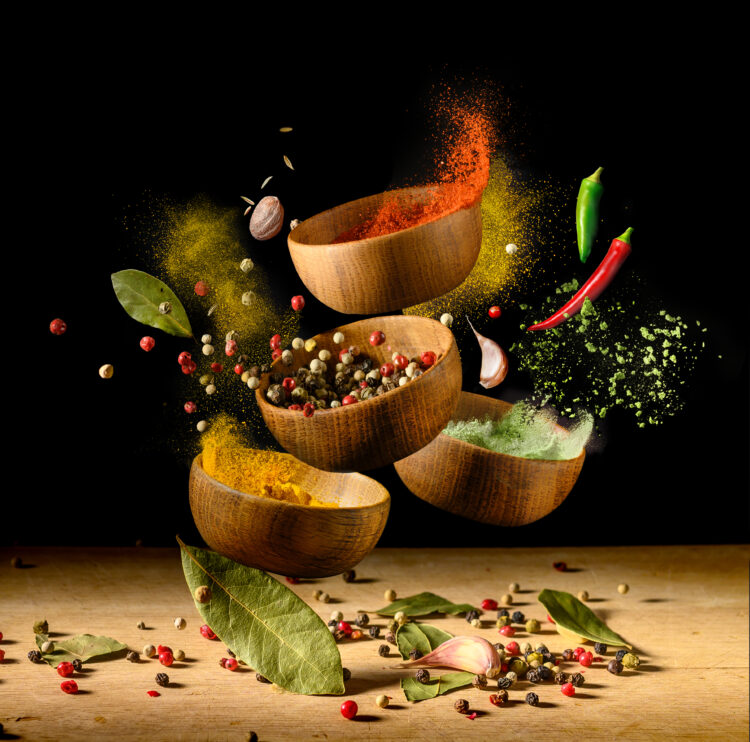
During the Middle Ages, the demand for spices in Europe reached unprecedented levels, fueling a golden age of exploration and trade as European powers sought to establish direct trade routes to the spice-rich lands of Asia. Spices such as pepper, cinnamon, cloves, and nutmeg became known as “black gold,” commanding exorbitant prices and driving fierce competition among merchants and explorers.
One of the most famous spice traders of the era was Marco Polo, whose travels along the Silk Road and spice routes of the Indian Ocean introduced Europeans to the exotic flavors and aromas of the Far East. The Portuguese, Dutch, Spanish, and English followed in Polo’s footsteps, establishing colonies and trading posts in Asia and the East Indies to monopolize the lucrative spice trade.
- The Age of Exploration: New Worlds and Culinary Discoveries


The Age of Exploration ushered in an era of unprecedented global exchange as European explorers ventured into uncharted waters in search of new trade routes and exotic spices. Christopher Columbus, Vasco da Gama, and Ferdinand Magellan were among the pioneers who braved the high seas and navigated treacherous waters to reach the spice-rich lands of Asia, Africa, and the Americas.
The discovery of the New World brought forth a wealth of new spices and flavors, including chili peppers, vanilla, cocoa, and allspice, which would forever change the culinary landscape of Europe and the world. These newfound treasures were eagerly embraced by chefs and cooks, revolutionizing traditional cuisines and inspiring a newfound appreciation for the diversity of flavors and aromas offered by spices.
- The Spice Trade Revolutions: Industrialization and Globalization
The advent of the Industrial Revolution in the 18th and 19th centuries transformed the spice trade once again, as technological advancements in transportation, refrigeration, and food preservation made it easier to transport spices over long distances and store them for extended periods. Steamships, railroads, and canals revolutionized trade routes, connecting spice-producing regions with markets around the world.
At the same time, the rise of colonialism and imperialism led to the exploitation of spice-producing regions and the displacement of indigenous peoples, as European powers sought to control the production and trade of spices for their own economic gain. The Dutch East India Company, the British East India Company, and other colonial enterprises monopolized the spice trade and established plantations in countries such as India, Indonesia, and Sri Lanka, further shaping the global spice industry.
- Spices in the Modern Era: Culinary Diversity and Cultural Exchange
Today, spices continue to play a central role in global cuisine, enriching dishes with their distinctive flavors, aromas, and colors. The modern spice trade is characterized by globalization, with spices sourced from around the world and distributed to markets on every continent. Advances in transportation, communication, and agricultural practices have made spices more accessible and affordable than ever before, allowing chefs and home cooks to experiment with a diverse array of flavors and ingredients.
In addition to their culinary uses, spices are valued for their medicinal properties, with many traditional healing systems such as Ayurveda, Traditional Chinese Medicine, and herbalism incorporating spices into remedies for various ailments. Scientific research has confirmed the health benefits of spices, revealing their antioxidant, anti-inflammatory, and antimicrobial properties, and fueling interest in functional foods and holistic wellness.
Conclusion: A Spice-Infused Tapestry of Culture and Cuisine
In conclusion, the history of spices is a rich tapestry woven with threads of culture, commerce, and culinary creativity. From their ancient origins in the cradle of civilization to the modern spice trade that spans the globe, spices have left an indelible mark on human history, shaping economies, inspiring exploration, and delighting palates for millennia. As we savor the flavors and aromas of spices in our favorite dishes, let us also savor the stories of adventure, discovery, and cultural exchange that they carry with them, enriching our lives and connecting us to the diverse tapestry of humanity.
Previous Article

Written by
Ajay Kuriakose Jacobs
Spices
March 26, 2024
© Copyright 2026 Ajay Kuriakose Jacobs All Rights Reserved.
Archive
Frequently Read Topics


