














Closing the Loop: The Impact of the Circular Economy on the Scrap Business
Introduction:
In a world awakening to the imperatives of sustainability, the circular economy has emerged as a transformative force, reshaping industries and redefining the way we perceive waste. The scrap business, traditionally seen as a purveyor of discarded materials, finds itself at the epicenter of this revolution. This exclusive feature article delves into the profound impact of the circular economy on the scrap business, unraveling new business models and illuminating opportunities for growth in a world that is increasingly embracing the ethos of reuse, reduce, and recycle.

- The Circular Economy Unveiled: A Paradigm Shift in Resource Management
The circular economy represents a paradigm shift from the linear “take, make, dispose” model to one focused on closing the loop, where materials are continually reused and recycled. In this circular framework, the scrap business assumes a pivotal role, transforming from a mere waste handler to a key player in the sustainable management of resources.
Principles of the Circular Economy:
- At its core, the circular economy emphasizes the preservation and continuous use of resources through recycling, refurbishment, and remanufacturing. This departure from the linear model is guided by principles that prioritize longevity, minimal waste, and a regenerative approach to resource utilization.
Closing the Loop in the Scrap Business:
- For the scrap business, the circular economy marks a departure from traditional practices centered on disposal. Instead, it heralds an era where materials are not discarded but reintegrated into production cycles, fostering a closed-loop system that minimizes the environmental impact and maximizes the value of resources.
2.From Waste Management to Resource Recovery: Redefining the Scrap Business
As the circular economy gains momentum, the scrap business undergoes a profound transformation. No longer confined to the sidelines of waste management, it becomes a linchpin in the resource recovery landscape, unlocking opportunities for sustainable growth and innovation.
Shifting Perceptions: Scrap as a Valuable Resource:
- The circular economy challenges the perception of scrap as mere waste. In this new paradigm, scrap materials are viewed as valuable resources waiting to be reintroduced into the production cycle. The scrap business becomes a primary actor in the journey towards resource recovery and sustainability.
Maximizing Resource Value through Recycling:
- Recycling takes center stage in the circular economy, and the scrap business is uniquely positioned to play a leading role. By efficiently processing and recycling materials like metals, plastics, and paper, the industry not only minimizes landfill contributions but also extracts maximum value from discarded items, contributing to a more sustainable and efficient resource ecosystem.
Embracing Circular Design: Opportunities in Remanufacturing:
- Circular design principles advocate for the creation of products with longevity in mind, enabling easy disassembly and remanufacturing. The scrap business, in turn, capitalizes on opportunities in remanufacturing processes, breathing new life into discarded products and components, further extending their useful lifespan.
3.New Business Models: Adapting to Circular Principles for Sustainable Growth
The circular economy engenders a wave of innovation in business models, challenging the scrap industry to evolve. From fostering collaborations to exploring novel revenue streams, new business models emerge, aligning the scrap business with the principles of sustainability and circularity.
Collaborative Networks: Maximizing Impact Through Partnerships:
- The circular economy thrives on collaboration. In the scrap business, forging partnerships with manufacturers, product designers, and other stakeholders becomes essential. Collaborative networks enable the seamless flow of materials, fostering a holistic approach to resource recovery and enhancing the industry’s overall sustainability.
Product as a Service (PaaS): Extending the Lifespan of Products:
- The concept of Product as a Service (PaaS) is gaining traction in the circular economy. In this model, manufacturers retain ownership of products, incentivizing them to design for durability and recyclability. The scrap business becomes a key player in managing and refurbishing these products, extending their lifespan and minimizing waste.
Closing Material Loops: Opportunities in Closed-Loop Recycling:
- Closed-loop recycling systems, where products are continually recycled into new iterations of themselves, offer a compelling business model. The scrap industry, by integrating closed-loop recycling practices, not only contributes to resource conservation but also creates a sustainable revenue stream through the perpetual recycling of specific materials.
4.Technological Advancements: A Catalyst for Circular Innovation in the Scrap Business
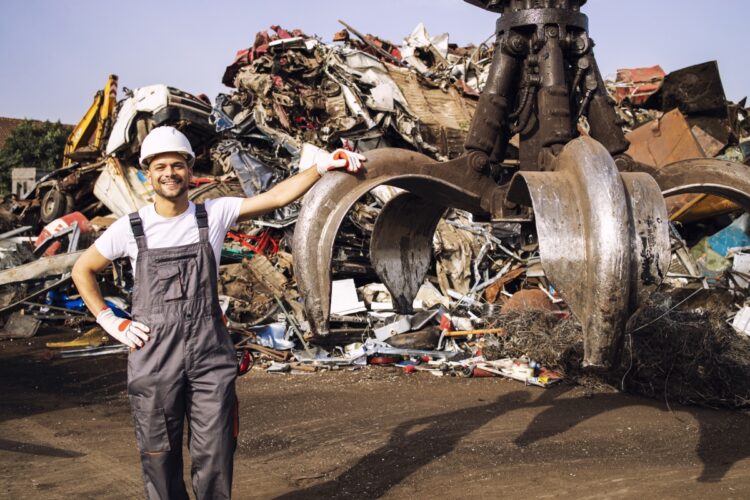
Technological innovations amplify the impact of the circular economy on the scrap business. From advanced sorting technologies to blockchain solutions that track material provenance, these innovations drive efficiency, transparency, and sustainability within the industry.
Advanced Sorting Technologies: Precision in Recycling:
- Advanced sorting technologies, including artificial intelligence (AI) and robotic systems, revolutionize the way materials are processed in the scrap business. These technologies enable precise sorting, ensuring that materials are segregated efficiently, paving the way for high-quality recycled products with reduced contamination.
Blockchain in Material Traceability: Ensuring Transparency and Accountability:
- Blockchain technology emerges as a powerful tool for enhancing transparency and traceability in the scrap business. By creating an immutable ledger of material provenance, blockchain solutions assure consumers and manufacturers of the recycled content’s authenticity, instilling confidence in the circular economy practices of the scrap industry.
Smart Recycling Infrastructure: Enhancing Efficiency and Resource Recovery:
- The integration of smart recycling infrastructure, including IoT-enabled sensors and data analytics, optimizes resource recovery processes. These technologies provide real-time insights into material flows, equipment performance, and energy consumption, allowing the scrap business to streamline operations and minimize its environmental footprint.
5.Economic Opportunities in Circular Practices: Job Creation and Industry Growth
The circular economy not only addresses environmental concerns but also generates economic opportunities within the scrap business. By embracing circular practices, the industry becomes a catalyst for job creation, economic growth, and the development of a sustainable and resilient economy.
Job Creation in Circular Industries:
- The transition to circular practices in the scrap business requires skilled labor for advanced sorting technologies, remanufacturing processes, and collaborative initiatives. As the industry evolves, job opportunities emerge, ranging from technicians and engineers to data analysts and sustainability specialists, contributing to local economic development.
Economic Growth Through Circular Supply Chains:
- Circular supply chains, where materials are continually reused and recycled, foster economic growth. The scrap business, as a key player in these chains, contributes to the development of a circular economy ecosystem. As demand for recycled materials grows, the industry becomes a pivotal force in shaping a sustainable and robust economy.
Circular Business Resilience: Navigating Economic Challenges:
- Circular business models, rooted in resource efficiency and resilience, enable the scrap industry to navigate economic challenges. By minimizing dependence on finite resources and creating diversified revenue streams through circular practices, the industry becomes more adaptable to market fluctuations and economic uncertainties.
6.Consumer-Centric Circularity: The Role of Public Awareness and Education
The success of the circular economy in the scrap business hinges on consumer awareness and education. By fostering a culture of responsible consumption and waste management, the industry not only gains public support but also accelerates the transition towards a more circular and sustainable future.
Raising Awareness: Educating Consumers on Circular Choices:
- Public awareness campaigns play a crucial role in educating consumers about the benefits of the circular economy. Informing the public about the environmental impact of their choices, the value of recycled materials, and the role of the scrap business in the circular ecosystem empowers consumers to make informed and sustainable decisions.
Consumer Engagement: Encouraging Recycling Participation:
- Active consumer engagement is vital for the success of circular practices in the scrap business. Initiatives such as incentivized recycling programs, user-friendly recycling facilities, and transparent communication about the journey of recycled materials create a sense of responsibility and participation among consumers.
Product Lifecycle Awareness: From Purchase to End-of-Life:
- Educating consumers about the entire lifecycle of products, from purchase to end-of-life disposal, promotes a circular mindset. Understanding the potential for recycling and remanufacturing encourages consumers to choose products designed for longevity and recyclability, aligning their choices with the principles of the circular economy.
7.Global Perspectives: Collaborative Solutions for a Circular Future
The circular economy is a global endeavor that transcends borders. International collaboration among nations, industries, and organizations is crucial for creating a unified approach to circularity and ensuring the success of circular practices within the scrap business.
Global Resource Management: Sharing Best Practices:
- Global collaboration enables the sharing of best practices in resource management and circular economy initiatives. By learning from successful models across different regions, the scrap industry can implement strategies that maximize resource recovery and minimize environmental impact on a global scale.
International Standards for Circular Practices:
- Harmonizing international standards for circular practices ensures a consistent approach to resource recovery and recycling. By aligning regulations and certifications, the scrap business can operate with clarity, facilitating the development of global best practices that contribute to the advancement of circular economies worldwide.
Addressing Global Environmental Challenges: A Collective Effort:
- The circular economy within the scrap business is instrumental in addressing global environmental challenges, including climate change and resource depletion. International cooperation fosters a collective effort to create a sustainable and circular future, where the scrap industry plays a pivotal role in minimizing waste and conserving resources on a global scale.
8.Challenges and Opportunities: Navigating the Path to Circular Excellence
While the circular economy presents a multitude of opportunities for the scrap business, challenges also abound. Navigating issues ranging from regulatory complexities to technological limitations, the industry must strategize to overcome hurdles and embrace the full potential of circular excellence.
Regulatory Complexity and Harmonization:
- Adapting to evolving regulatory landscapes and ensuring compliance with varying standards pose challenges for the scrap business. Navigating regulatory complexities while advocating for harmonization on a global scale enables the industry to operate with clarity and consistency.
Technological Limitations: Addressing Innovation Gaps:
- Despite advancements, technological limitations may impede the efficient recycling of certain materials. Research and development efforts to address innovation gaps in materials science and recycling technologies are essential for overcoming these limitations and ensuring a comprehensive circular approach.
Consumer Behavior and Resistance to Change:
- Changing consumer behavior and overcoming resistance to circular practices present challenges for the scrap business. Education campaigns, transparent communication, and user-friendly recycling solutions are crucial for encouraging consumer participation and fostering a cultural shift towards embracing circularity.
- Conclusion: Charting a Sustainable Course for the Scrap Business
In the crucible of the circular economy, the scrap business emerges not just as a salvage operation but as a driving force in shaping a sustainable and regenerative future. By embracing circular practices, forging collaborations, and leveraging technological innovations, the industry stands poised to not only adapt to change but to lead the charge towards a more resilient and environmentally conscious world.
As the scrap business navigates the complexities and seizes the opportunities presented by the circular economy, it becomes a beacon of sustainability. From closing the loop on materials to fostering economic growth and engaging consumers in the journey towards circular excellence, the industry becomes an integral part of a global movement that seeks to redefine waste, reimagine resources, and create a legacy of responsible stewardship for generations to come. In this new era, the scrap business is not just salvaging materials; it is salvaging the very essence of sustainability, circularity, and a future where waste is a concept left in the annals of history.

Written by
Ajay Kuriakose Jacobs
Scrap Business
February 17, 2024
© Copyright 2026 Ajay Kuriakose Jacobs All Rights Reserved.
Archive
Frequently Read Topics


