














Cultivating Earth’s Unsung Heroes: A Comprehensive Guide to Earthworm Farming for Small and Large-Scale Operations
In the intricate tapestry of sustainable agriculture, one often-overlooked thread holds the key to unlocking the full potential of soil health and fertility: earthworm farming. Whether on a small homestead or a large-scale agricultural operation, cultivating earthworms offers a myriad of benefits, from enhancing soil structure and fertility to promoting plant growth and nutrient cycling. In this extensive guide, we’ll explore the art and science of earthworm farming, offering practical insights and strategies for success in both small and large-scale farming operations.
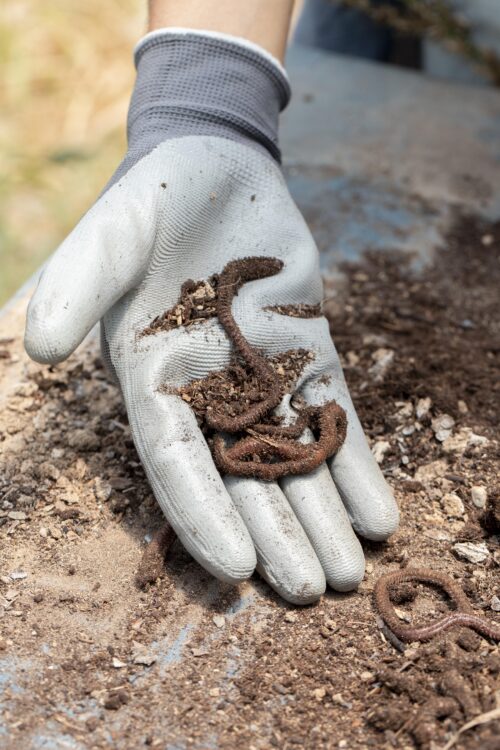
Understanding Earthworm Farming
At its core, earthworm farming, also known as vermiculture or vermicomposting, involves the controlled cultivation of earthworms for the purpose of producing nutrient-rich vermicompost and/or earthworms for various agricultural and horticultural applications. Earthworms are voracious consumers of organic matter, breaking down organic materials such as plant residues, manure, and compost into nutrient-rich castings that enrich the soil and promote plant growth.
Benefits of Earthworm Farming
Before delving into the specifics of earthworm farming, let’s explore some of the key benefits it offers for both small and large-scale farming operations:
- Soil Health and Fertility: Earthworm castings are rich in essential plant nutrients, beneficial microorganisms, and organic matter, which improve soil structure, fertility, and water retention capacity, leading to healthier and more productive soils.
- Plant Growth and Yield: Incorporating earthworm castings into soil or using vermicompost as a soil amendment promotes vigorous plant growth, increased crop yields, and improved resistance to pests and diseases, resulting in higher-quality produce and enhanced profitability.
- Waste Reduction and Recycling: Earthworm farming provides a sustainable solution for recycling organic waste materials such as food scraps, yard waste, and agricultural residues, reducing the need for landfill disposal and minimizing environmental pollution.
- Carbon Sequestration: By converting organic matter into stable soil organic carbon through the process of vermicomposting, earthworm farming helps mitigate climate change by sequestering carbon dioxide from the atmosphere and storing it in the soil.
- Low Input and Labor Requirements: Earthworm farming requires minimal inputs such as organic feedstock and water and can be managed with relatively low labor inputs, making it a cost-effective and labor-efficient practice for farmers of all scales.
Principles of Earthworm Farming
Now that we’ve explored the benefits of earthworm farming let’s delve into the principles and practices that govern successful earthworm farming operations:
- Selecting Suitable Earthworm Species: Choose earthworm species that are well-suited to your climate, soil type, and intended use. Common species used in vermiculture include Eisenia fetida (red wigglers), Lumbricus rubellus (red worms), and Lumbricus terrestris (nightcrawlers), each with its own unique characteristics and preferences.
- Creating Optimal Habitat Conditions: Provide earthworms with a suitable habitat that meets their basic requirements for moisture, temperature, pH, and organic matter. Maintain bedding materials such as shredded paper, cardboard, or compost at a consistent moisture level and temperature to support earthworm activity and reproduction.
- Feeding and Nutrient Management: Feed earthworms a balanced diet of organic materials such as fruit and vegetable scraps, coffee grounds, leaf litter, and aged manure to ensure proper nutrition and promote healthy growth. Avoid overfeeding or underfeeding earthworms, as both can lead to imbalances in the ecosystem.
- Managing Population Dynamics: Monitor earthworm populations regularly and adjust feeding rates, stocking densities, and habitat conditions as needed to maintain optimal population levels and prevent overcrowding or depletion of resources.
- Harvesting and Processing Castings: Harvest earthworm castings periodically using methods such as hand sorting, screen sieving, or mechanical separation to separate earthworms from vermicompost. Process the castings into a fine, uniform product suitable for use as a soil amendment or organic fertilizer.
Scaling Up: Earthworm Farming for Large-Scale Operations
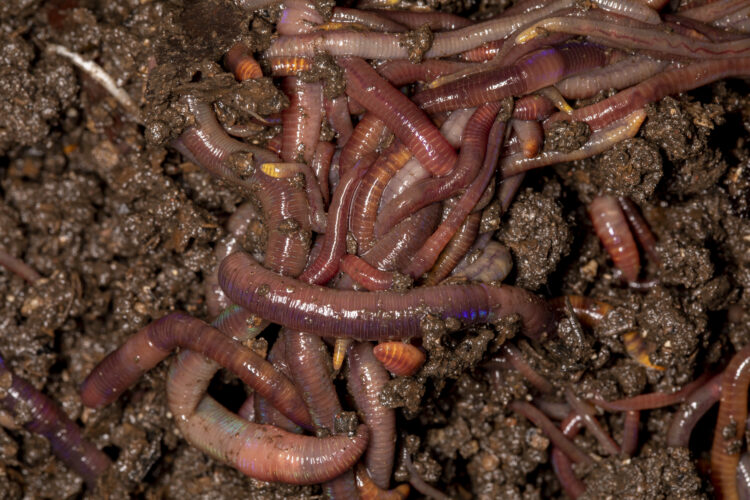
While the principles of earthworm farming remain the same regardless of scale, scaling up to a large-scale operation requires careful planning, infrastructure investment, and management strategies tailored to the specific needs of commercial production. Here are some key considerations for scaling up earthworm farming operations:
- Infrastructure and Facilities: Invest in suitable infrastructure and facilities such as climate-controlled vermiculture beds, composting facilities, and storage areas for feedstock and finished products. Design facilities to optimize space utilization, workflow efficiency, and environmental control.
- Quality Control and Assurance: Implement quality control and assurance measures to ensure consistency, uniformity, and product integrity throughout the production process. Monitor key parameters such as moisture content, pH, nutrient levels, and microbial activity to maintain product quality standards.
- Market Research and Development: Conduct market research to identify potential markets, customer needs, and competitive landscape for earthworm products such as vermicompost, earthworm castings, and earthworms for bait or soil remediation. Develop marketing strategies to promote products, build brand awareness, and attract customers.
- Regulatory Compliance: Familiarize yourself with applicable regulations, permits, and licensing requirements for earthworm farming operations, including environmental regulations, food safety standards, and agricultural practices. Ensure compliance with regulatory requirements to avoid fines, penalties, or legal liabilities.
- Risk Management and Contingency Planning: Develop risk management and contingency plans to mitigate potential risks and uncertainties associated with large-scale earthworm farming, such as disease outbreaks, environmental hazards, market fluctuations, and supply chain disruptions. Implement measures to minimize risks and respond effectively to unforeseen events.
Conclusion
Earthworm farming holds immense promise as a sustainable and profitable venture for farmers and growers of all scales, offering a multitude of benefits for soil health, plant growth, waste management, and environmental sustainability. Whether you’re a small-scale homesteader or a large-scale commercial farmer, incorporating earthworm farming into your agricultural practices can lead to healthier soils, higher crop yields, and greater profitability in the long run. By following the principles of earthworm farming, scaling up operations thoughtfully, and embracing innovation and best practices, farmers can harness the power of earth’s unsung heroes to cultivate thriving ecosystems and sustainable food systems for generations to come.
Previous Article

Written by
Ajay Kuriakose Jacobs
Earthworm Farming
March 23, 2024
© Copyright 2026 Ajay Kuriakose Jacobs All Rights Reserved.
Archive
Frequently Read Topics


