













Harnessing the Power of Shrimp: A Comprehensive Guide to Using Shrimp for Environmental Conservation and Restoration
Harnessing the Power of Shrimp: A Comprehensive Guide to Using Shrimp for Environmental Conservation and Restoration
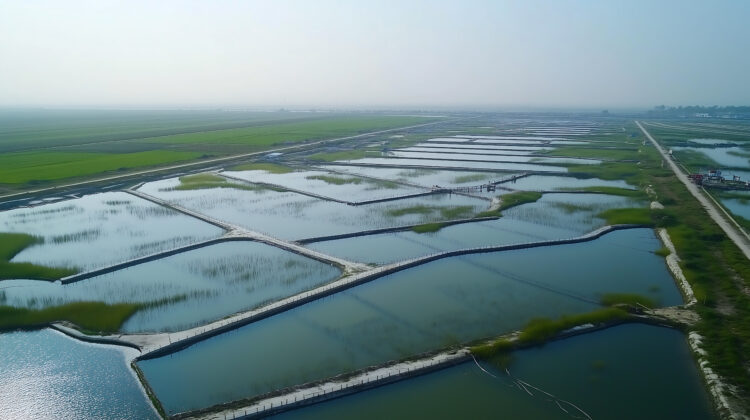
Shrimp, renowned for its culinary appeal, also holds immense potential as a valuable ally in environmental conservation and restoration efforts. From wetland rehabilitation to coastal protection, shrimp-based initiatives offer innovative solutions to address ecosystem degradation, promote biodiversity, and enhance resilience in the face of environmental challenges. In this comprehensive guide, we delve into the multifaceted benefits of using shrimp for environmental conservation and restoration, providing insights into effective strategies, best practices, and case studies from around the world.
- Shrimp in Wetland Restoration
Wetlands, critical ecosystems that provide vital ecological functions and services, are under threat from habitat loss, pollution, and climate change. Shrimp play a crucial role in wetland restoration efforts, contributing to ecosystem recovery and resilience through their natural behaviors and ecological interactions. Here’s how shrimp support wetland restoration:
- Biological Engineering: Shrimp, particularly burrowing species such as fiddler crabs and ghost shrimp, engineer wetland habitats through their burrowing activities, creating complex networks of burrows, tunnels, and mounds that enhance soil aeration, water infiltration, and nutrient cycling. These burrows provide refuge and habitat for a diverse range of organisms, including fish, birds, and invertebrates, and help stabilize sediments, reduce erosion, and prevent habitat loss.
- Nutrient Cycling: Shrimp contribute to nutrient cycling and energy transfer in wetland ecosystems through their feeding activities and waste production. Shrimp feed on detritus, algae, and organic matter, recycling nutrients and organic carbon within the ecosystem. Shrimp waste, in the form of feces and exoskeletons, provides a source of organic material for microbial decomposition, fueling nutrient cycling and supporting primary productivity in wetland food webs.
- Habitat Enhancement: Shrimp ponds and aquaculture systems can serve as transitional habitats for wetland species during restoration and rehabilitation efforts. Integrated shrimp-aquaculture systems, such as mangrove shrimp farming and shrimp-fish polyculture, provide nursery habitat and foraging opportunities for wetland-dependent species, including fish, crustaceans, and migratory birds, enhancing habitat connectivity and biodiversity in degraded wetland landscapes.
- Shrimp in Coastal Protection
Coastal ecosystems, including mangroves, salt marshes, and seagrass beds, play a critical role in protecting coastlines from erosion, storm surges, and sea level rise. Shrimp contribute to coastal protection efforts by stabilizing sediment, buffering wave energy, and enhancing shoreline resilience. Here’s how shrimp support coastal protection:
- Mangrove Rehabilitation: Mangroves, coastal forests comprised of salt-tolerant trees and shrubs, are highly effective at dissipating wave energy, reducing erosion, and providing habitat for marine species. Shrimp-based aquaculture systems, such as mangrove shrimp farming and shrimp-mangrove polyculture, promote mangrove rehabilitation by restoring degraded mangrove habitats, enhancing biodiversity, and providing sustainable livelihood opportunities for coastal communities.
- Salt Marsh Restoration: Salt marshes, coastal wetlands dominated by salt-tolerant grasses and sedges, serve as natural buffers against storm surges, trapping sediments and dissipating wave energy. Shrimp burrowing activities help aerate marsh sediments, promote root growth, and enhance soil stability, facilitating salt marsh restoration and resilience in the face of sea level rise and coastal erosion.
- Seagrass Conservation: Seagrasses, submerged flowering plants that form underwater meadows in shallow coastal waters, play a crucial role in stabilizing sediments, sequestering carbon, and providing habitat for marine life. Shrimp-based aquaculture systems, such as seagrass-friendly shrimp farming and shrimp-seagrass polyculture, promote seagrass conservation by minimizing habitat disturbance, reducing nutrient loading, and enhancing water quality in coastal areas.
- Shrimp in Biodiversity Conservation
Biodiversity conservation is essential for maintaining healthy ecosystems, supporting ecosystem services, and safeguarding the resilience of natural systems. Shrimp contribute to biodiversity conservation efforts by providing habitat, food, and ecological services for a wide range of species. Here’s how shrimp support biodiversity conservation:
- Habitat Provision: Shrimp ponds and aquaculture systems serve as habitat for a diverse range of organisms, including fish, crustaceans, mollusks, and aquatic plants. Aquaculture ponds provide nursery habitat and foraging grounds for juvenile fish and invertebrates, supporting the life cycles of economically and ecologically important species.
- Food Web Dynamics: Shrimp play a key role in food web dynamics and trophic interactions in aquatic ecosystems. Shrimp serve as prey for a variety of predators, including fish, birds, and marine mammals, contributing to the structure and function of food webs. Maintaining healthy shrimp populations is essential for supporting predator populations and maintaining ecosystem balance.
- Ecosystem Services: Shrimp provide valuable ecosystem services, such as nutrient cycling, water filtration, and habitat creation, that support biodiversity and ecosystem function. Shrimp burrowing activities help aerate sediments, promote nutrient cycling, and enhance soil fertility, benefiting a wide range of organisms, from benthic invertebrates to shorebirds.
- Best Practices and Case Studies
Effective management and conservation of shrimp-based ecosystems require implementation of best practices, stakeholder engagement, and adaptive management strategies. Here are some best practices and case studies from around the world:
- Integrated Coastal Management: Integrated coastal management approaches, such as ecosystem-based management and marine spatial planning, promote sustainable development and conservation of coastal resources, including shrimp habitats. Collaborative governance structures, stakeholder engagement processes, and adaptive management frameworks help balance competing interests and achieve conservation objectives.
- Community-Based Conservation: Community-based conservation initiatives empower local communities to participate in resource management and decision-making processes, fostering stewardship and resilience. Examples include community-managed marine protected areas, community-based aquaculture projects, and participatory monitoring programs that engage stakeholders in conservation actions and capacity-building activities.
- Public-Private Partnerships: Public-private partnerships facilitate collaboration between government agencies, non-governmental organizations, and private sector actors to achieve shared conservation goals. Examples include corporate conservation initiatives, industry-led sustainability programs, and certification schemes that promote responsible shrimp farming practices and support habitat conservation efforts.
Conclusion: Embracing the Potential of Shrimp for Environmental Conservation
In conclusion, shrimp offer a wealth of opportunities for environmental conservation and restoration, from wetland rehabilitation to coastal protection and biodiversity conservation. By harnessing the natural abilities of shrimp and leveraging innovative approaches, we can address pressing environmental challenges, promote sustainable development, and build resilient ecosystems for future generations. Through collaboration, stewardship, and adaptive management, we can unlock the full potential of shrimp for environmental conservation and create a healthier, more sustainable planet for all. Let us embrace the power of shrimp as a force for positive change and work together to safeguard the beauty and diversity of our natural world.

Written by
Ajay Kuriakose Jacobs
Shrimp Farming
August 16, 2024
© Copyright 2026 Ajay Kuriakose Jacobs All Rights Reserved.
Archive
Frequently Read Topics


