















Machine Learning and Robotics Unveiled: The Dynamic Synergy of Machines Learning to Navigate the Physical Realm
Machine Learning and Robotics Unveiled: The Dynamic Synergy of Machines Learning to Navigate the Physical Realm
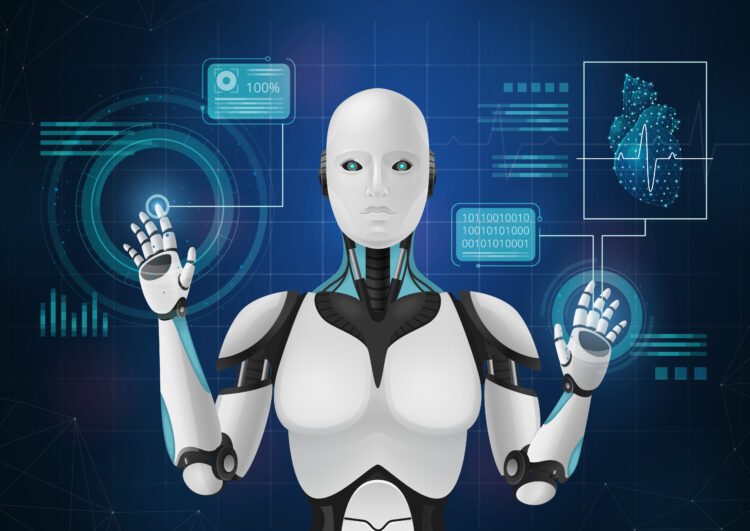
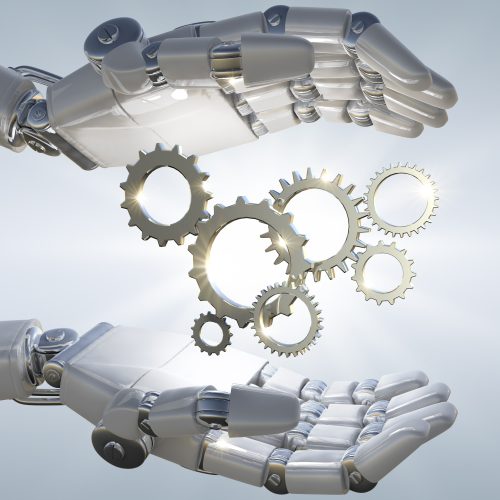
In the ever-evolving landscape of technology, the convergence of machine learning and robotics stands as a testament to humanity’s quest for innovation. This exclusive feature article embarks on a fascinating exploration of how machines learn to perform tasks and interact with the physical world. From autonomous robots revolutionizing industries to collaborative machines that augment human capabilities, the synergy between machine learning and robotics is reshaping the way we perceive automation and intelligence.
- The Intersection of Machine Learning and Robotics: A Technological Odyssey
The fusion of machine learning and robotics represents a paradigm shift in the realm of artificial intelligence. At the heart of this convergence lies the aspiration to imbue machines with the ability to learn from data, adapt to changing environments, and execute complex tasks in the physical world.
From Digital to Physical: Extending Machine Learning’s Reach:
- Machine learning, traditionally associated with data-driven insights and digital processes, is expanding its horizons into the physical realm through robotics. This intersection allows machines not only to process information but also to act upon it in the tangible world.
Sensory Perception: Machines with Eyes and Ears:
- One of the cornerstones of this collaboration is sensory perception. Robots equipped with sensors, cameras, and other perception mechanisms leverage machine learning algorithms to interpret and make sense of the physical environment. This sensory feedback is fundamental to their ability to navigate and interact effectively.
Learning by Doing: The Essence of Robotic Reinforcement Learning:
- Reinforcement learning, a subset of machine learning, plays a pivotal role in the synergy with robotics. Robots learn by doing – through trial and error, they adapt their actions based on feedback from the environment, gradually refining their capabilities to achieve desired outcomes.
2.How Machines Learn in the Physical World: The Dance of Algorithms and Actions
Understanding how machines learn in the physical world involves delving into the intricacies of algorithms that enable them to perceive, reason, and act. From perception networks to control algorithms, these components form the bedrock of machines’ ability to learn and operate in the physical realm.
Perception Networks: Eyes and Ears for Machines:
- Perception networks are the eyes and ears of robotic systems. Whether it’s a drone navigating airspace or a robot maneuvering through a warehouse, these networks process sensory input, identifying objects, obstacles, and relevant features in the environment. Convolutional Neural Networks (CNNs) excel at image recognition tasks, allowing robots to “see” and interpret visual data.
Sensor Fusion: A Multisensory Symphony:
- In the physical world, robots often rely on multiple sensors – cameras, lidar, radar, and more – to gather a comprehensive understanding of their surroundings. Sensor fusion techniques, often powered by machine learning, enable robots to merge data from diverse sources, enhancing their perception and decision-making capabilities.
Control Algorithms: Choreographing Movements in Real-Time:
- Control algorithms govern the physical actions of robots. Whether it’s the precise movements of a robotic arm or the path planning of an autonomous vehicle, these algorithms integrate sensory information with the desired outcomes, ensuring that the machine’s actions align with its objectives. Model Predictive Control (MPC) and Reinforcement Learning from Human Feedback (RLHF) are examples of control strategies that optimize robotic movements.
3.Real-World Applications: From Factories to Homes
The impact of the collaboration between machine learning and robotics reverberates across diverse sectors, introducing transformative applications that enhance efficiency, safety, and the overall human experience.
Industrial Automation: Factories of the Future:
- In manufacturing, robots have long been an integral part of assembly lines. However, the infusion of machine learning elevates their capabilities. Adaptive robots can learn to handle variability in tasks, identify defects in real-time, and optimize production processes. This synergy streamlines manufacturing operations and fosters a more agile and responsive industry.
Autonomous Vehicles: Navigating Roads with Intelligence:
- Autonomous vehicles represent a pinnacle achievement in the marriage of machine learning and robotics. Self-driving cars leverage machine learning algorithms to interpret complex traffic scenarios, make split-second decisions, and navigate safely through dynamic environments. The integration of perception, decision-making, and control systems exemplifies the holistic approach to autonomous transportation.
Medical Robotics: Precision and Innovation in Healthcare:
- Robotic systems in healthcare are enhancing surgical precision, diagnostic capabilities, and rehabilitation processes. Machine learning algorithms enable surgical robots to adapt to the unique anatomy of each patient, while robotic exoskeletons learn and respond to the movements and needs of individuals undergoing rehabilitation.
Service Robots: Collaborative Machines in Everyday Life:
- From cleaning robots to social robots that assist the elderly, service robots are becoming increasingly prevalent in daily life. Machine learning equips these robots with the ability to understand human commands, navigate homes autonomously, and adapt to dynamic environments, making them valuable companions and assistants.
4.Challenges in the Real World: Navigating Complexity and Safety
The integration of machine learning with robotics brings forth a set of challenges, ranging from ensuring safety in dynamic environments to addressing the complexities of real-world scenarios.
Safety and Trust: Ensuring Reliable Performance:
- In applications where robots operate alongside humans, such as collaborative manufacturing or service robots in homes, ensuring safety is paramount. Machine learning algorithms must be robust and trustworthy, capable of handling unpredictable scenarios without compromising human safety.
Data Efficiency: Learning from Limited Samples:
- Real-world environments can be highly dynamic, and robots may encounter situations that were not adequately represented in their training data. Enhancing data efficiency – the ability to learn from limited samples and adapt quickly to new scenarios – is an ongoing challenge in real-world applications.
Interdisciplinary Collaboration: Bridging Gaps Between Disciplines:
- The intersection of machine learning and robotics requires collaboration between experts in diverse fields. Engineers, computer scientists, and domain specialists must work together to develop holistic solutions that consider both the technical intricacies and the specific needs of the application domain.
5.Future Horizons: The Evolution of Intelligent Machines
As the collaboration between machine learning and robotics continues to evolve, the future holds exciting possibilities that extend beyond our current imagination.
Cognitive Robots: Machines with Learning Minds:
- The evolution of cognitive robots, equipped with advanced learning capabilities, promises machines that not only execute tasks but also comprehend and adapt to the evolving context. These robots may exhibit a level of cognitive flexibility akin to human learning, enabling them to handle diverse tasks and dynamic environments.
Human-Robot Collaboration: Augmenting Human Capabilities:
- The future envisions seamless collaboration between humans and robots. Machines equipped with machine learning algorithms can understand human intentions, adapt to user preferences, and work alongside humans as collaborative partners, augmenting our capabilities in various domains.
Robotic Swarms: Collective Intelligence in Action:
- The concept of robotic swarms involves multiple robots working collaboratively to achieve collective objectives. Machine learning enables these swarms to exhibit emergent behaviors, adapt to changing conditions, and solve complex problems as a unified entity. This approach has implications for tasks ranging from search and rescue missions to environmental monitoring.
Explainable AI in Robotics: Fostering Trust and Understanding:
- Addressing the “black box” nature of some machine learning algorithms, particularly in complex robotic systems, is crucial for fostering trust and understanding. The development of explainable AI in robotics aims to make the decision-making processes of machines more transparent, enabling users to comprehend and trust their actions.
Conclusion: The Dawn of Intelligent Machines
In the dynamic dance between machine learning and robotics, we witness the dawn of intelligent machines that transcend the boundaries of traditional automation. From factory floors to homes, from medical procedures to autonomous transportation, the collaboration between these two technological giants is reshaping industries and enriching our daily lives.
As we navigate the evolving landscape of intelligent machines, the synergy between machine learning and robotics stands as a testament to our ability to push the boundaries of what machines can achieve. The future unfolds as a canvas of possibilities, where machines not only learn but also adapt, collaborate, and coexist with humanity in a shared journey towards progress and innovation. In this era of intelligent machines, the partnership between learning algorithms and physical robotics heralds a new age where the once static realm of automation becomes dynamic, responsive, and profoundly intelligent.

Written by
Ajay Kuriakose Jacobs
Machine Learning
August 1, 2024
© Copyright 2025 Ajay Kuriakose Jacobs All Rights Reserved.
Archive
Frequently Read Topics


Subscribe to our Blogs
Feel better, get smarter, and LOL a little… every week.
Most Popular in Travel
-
 Ducks and Geese Farming
Beginner’s Guide to Duck and Geese Farming
-
 Dairy Farming
Introduction to Indian Cow Breeds: A Comprehensive Guide
-


