














A Comprehensive Guide to Managing Honey Bee Colonies for Beekeeping Hobbyists and Enthusiasts
A Comprehensive Guide to Managing Honey Bee Colonies for Beekeeping Hobbyists and Enthusiasts
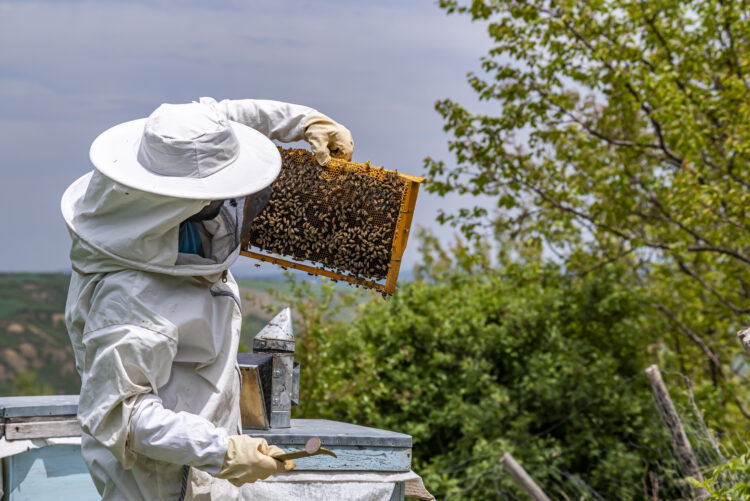
Beekeeping, once reserved for rural homesteads and agricultural landscapes, has experienced a renaissance in recent years, captivating hobbyists and enthusiasts with the allure of nature’s most industrious pollinators—the honey bees. Whether you’re a novice beekeeper embarking on your first hive or a seasoned enthusiast expanding your apiary, the journey of managing honey bee colonies offers a rich tapestry of learning, discovery, and stewardship. In this comprehensive guide, we will delve into the essential principles, techniques, and best practices for successfully managing honey bee colonies, from hive setup and maintenance to pest management and honey harvesting.
Getting Started: Setting Up Your Hive-Beekeeping
- Hive Selection:
- Choose a hive design that suits your preferences, experience level, and local climate. Popular hive options include Langstroth, top-bar, and Warre hives, each with its advantages and considerations.
- Consider factors such as hive assembly, ease of inspection, and compatibility with available beekeeping equipment when selecting a hive.
- Hive Location:
- Select a suitable location for your hive, ensuring it has access to sunlight, good airflow, and protection from wind and inclement weather.
- Place hives in an area with ample forage resources, away from high-traffic areas, pets, and potential disturbances.
- Hive Placement:
- Position hives off the ground using sturdy hive stands or pallets to prevent moisture buildup, discourage pests, and facilitate airflow.
- Space hives apart to minimize overcrowding and allow for easy access during inspections and maintenance.
- Hive Equipment:
- Acquire essential beekeeping equipment, including hive components (boxes, frames, and foundation), protective gear (veil, gloves, and suit), tools (smoker, hive tool, and bee brush), and harvesting supplies (extractor, jars, and filters).
Managing Honey Bee Colonies: Best Practices and Techniques
- Colony Inspection:
- Conduct regular hive inspections to assess colony health, monitor population dynamics, and detect signs of pests, diseases, or swarming.
- Schedule inspections during mild, sunny days when bees are active and foraging, minimizing disruption to the colony.
- Pest and Disease Management:
- Implement integrated pest management (IPM) strategies to control common hive pests such as varroa mites, hive beetles, and wax moths.
- Monitor mite levels regularly using sticky boards, alcohol washes, or natural mite drop counts, and treat colonies as needed with approved miticides or alternative methods.
- Hive Maintenance:
- Maintain hive components in good condition by repairing or replacing damaged frames, boxes, and covers as necessary.
- Keep hive entrances clear of debris, propolis, and obstructions to ensure proper ventilation, airflow, and colony access.
- Queen Management:
- Monitor queen performance and colony dynamics by observing brood patterns, queen activity, and overall hive temperament during inspections.
- Replace aging or underperforming queens with young, vigorous queens from reputable breeders to maintain colony vitality and productivity.
- Swarm Prevention and Control:
- Implement swarm prevention measures, such as providing adequate space, managing colony congestion, and timely supering, to reduce the likelihood of swarming.
- Be prepared to capture and hive swarms if they occur, using swarm traps, bait hives, or swarm lures to attract and contain swarming bees.
Honey Harvesting and Processing:

- Timing:
- Harvest honey when honey supers are filled and capped, typically during peak nectar flows in spring or summer.
- Choose a time when weather conditions are favorable, and bees are less active to minimize disturbances during harvesting.
- Extraction:
- Remove honey supers from hives and transport them to a designated extraction area equipped with a honey extractor, uncapping tools, and filtering equipment.
- Uncap honey frames using a hot knife or uncapping fork, then extract honey using a centrifugal extractor, straining out impurities and debris.
- Bottling and Storage:
- Bottle honey in clean, sanitized containers, such as glass jars or plastic squeeze bottles, labeling them with the harvest date, hive location, and honey variety.
- Store honey in a cool, dry place away from direct sunlight and extreme temperatures to preserve its flavor, color, and quality.
Conclusion:
Beekeeping offers a rewarding journey of discovery, connection, and stewardship, inviting hobbyists and enthusiasts into the fascinating world of honey bees and their remarkable colonies. By following best practices, techniques, and guidelines for hive setup, colony management, and honey harvesting, beekeepers can cultivate thriving, healthy colonies while enjoying the sweet rewards of nature’s bounty. Whether you’re a novice beekeeper embarking on your first hive or a seasoned enthusiast expanding your apiary, the adventure of managing honey bee colonies promises endless opportunities for learning, growth, and appreciation of these vital pollinators and their invaluable contributions to our world.
Previous Article

Written by
Ajay Kuriakose Jacobs
Honey Farming
March 23, 2024
© Copyright 2026 Ajay Kuriakose Jacobs All Rights Reserved.
Archive
Frequently Read Topics


