














Containerization: Transforming Spaces, Unlocking Potential
Containerization: Transforming Spaces, Unlocking Potential
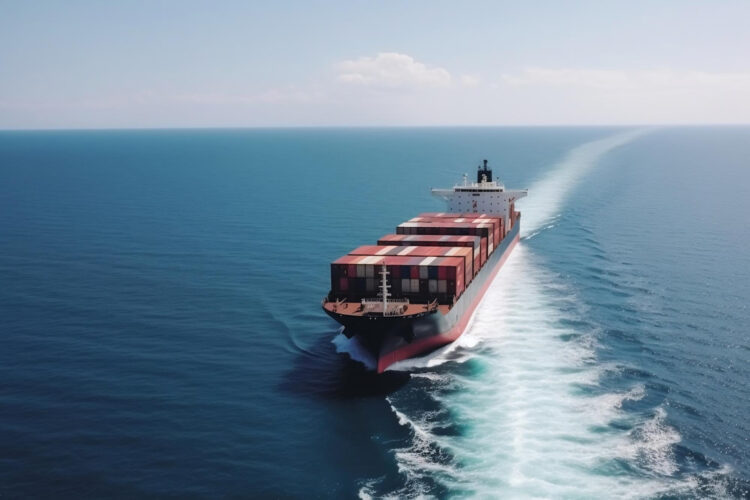
In the dynamic world of architecture and design, the utilization of shipping containers has emerged as a groundbreaking trend, offering a versatile solution for temporary and mobile structures. From pop-up shops and event venues to disaster relief shelters and construction sites, shipping containers have revolutionized the way we think about temporary and mobile architecture. In this comprehensive feature article, we will explore the benefits and challenges of using shipping containers for temporary and mobile structures, examining how these versatile units are transforming spaces and unlocking new possibilities across various industries.
Unveiling the Benefits: The Advantages of Shipping Container Structures
Shipping containers offer a plethora of benefits when utilized for temporary and mobile structures, making them an attractive choice for architects, designers, and developers seeking cost-effective, sustainable, and flexible solutions. Here are some key advantages:
- Versatility: One of the most significant benefits of shipping container structures is their versatility. These modular units can be easily transported, assembled, and customized to meet a wide range of needs and applications. Whether used as retail spaces, offices, housing units, or disaster relief shelters, shipping containers offer endless possibilities for creative adaptation and repurposing.
- Mobility: Shipping containers are inherently mobile, allowing for easy relocation and deployment in various settings and environments. Whether transported by truck, rail, or ship, containers can be quickly moved from one location to another, making them ideal for temporary installations such as events, festivals, and construction sites.
- Cost-Effectiveness: Shipping containers offer a cost-effective alternative to traditional construction methods, particularly for temporary and short-term projects. By repurposing used containers, developers can significantly reduce material costs and construction time, resulting in substantial cost savings compared to building structures from scratch.
- Durability: Built to withstand the harsh conditions of ocean transportation, shipping containers are inherently durable and resilient. Constructed from corrosion-resistant steel, these robust units are designed to withstand extreme weather, temperature fluctuations, and environmental hazards, ensuring longevity and reliability in temporary and mobile structures.
- Sustainability: Shipping container structures offer environmental benefits by repurposing decommissioned containers and reducing the demand for new construction materials. By recycling existing containers, developers can minimize waste, conserve resources, and lower the carbon footprint of their projects, making shipping container structures a sustainable choice for temporary and mobile architecture.
Navigating the Challenges: Overcoming Hurdles in Containerized Construction
While shipping container structures offer numerous benefits, they also present unique challenges and considerations that must be addressed to ensure successful outcomes. Here are some key challenges:
- Regulatory Hurdles: One of the primary challenges of shipping container construction is navigating regulatory requirements and building codes. Many jurisdictions have specific regulations governing the use of shipping containers for construction, including structural, fire safety, and zoning requirements. Developers must ensure that their containerized structures comply with all applicable regulations and obtain necessary permits and approvals before proceeding with their projects.
- Insulation and Ventilation: Shipping containers are inherently prone to heat gain in warm climates and heat loss in cold climates, making insulation and ventilation critical considerations in containerized construction. Developers must address these challenges by incorporating insulation materials, HVAC systems, and passive design strategies to maintain comfortable indoor temperatures and ensure adequate ventilation in containerized structures.
- Structural Integrity: While shipping containers are designed to withstand the rigors of transportation, modifications and alterations can compromise their structural integrity. Developers must carefully plan and engineer containerized structures to ensure that they can support the loads and stresses associated with their intended use. Structural reinforcements, such as steel beams, columns, and foundations, may be necessary to enhance the strength and stability of containerized structures, particularly for multi-story or large-scale projects.
- Design Limitations: Shipping containers have fixed dimensions and structural constraints that can limit design flexibility and creativity. Developers must work within these limitations when designing containerized structures, balancing functional requirements with aesthetic considerations to achieve their desired outcomes. While containerized structures offer a distinctive industrial aesthetic, creative design solutions such as cantilevered balconies, modular stacking, and integrated landscaping can enhance visual appeal and create unique architectural expressions.
- Perception and Stigma: Despite their numerous advantages, shipping container structures still face stigma and skepticism from some stakeholders in the architecture and construction industries. Critics argue that containerized construction is inferior to traditional methods in terms of quality, durability, and aesthetics. Developers must overcome these perceptions by demonstrating the viability and potential of shipping container structures through successful projects, innovative design solutions, and rigorous quality control measures.
Embracing Innovation: Pushing the Boundaries of Containerized Architecture
Despite the challenges, shipping container structures continue to gain traction and popularity as a viable solution for temporary and mobile architecture. Innovations in design, engineering, and construction techniques are pushing the boundaries of containerized architecture, opening up new possibilities for creative expression, sustainability, and efficiency.
Architects and designers are exploring innovative approaches to containerized construction, incorporating cutting-edge materials, technologies, and design strategies to enhance the performance, functionality, and aesthetics of shipping container structures. From modular prefabrication and off-grid systems to green roofs and passive design principles, containerized architecture is evolving to meet the diverse needs and aspirations of clients and communities worldwide.
Moreover, advances in digital design tools, parametric modeling, and Building Information Modeling (BIM) are empowering architects and designers to visualize, analyze, and optimize containerized structures with unprecedented precision and efficiency. These digital tools enable designers to iteratively test and refine their designs, ensuring that containerized structures meet performance criteria and regulatory requirements before construction begins.
Conclusion: Containerization for the Future
In conclusion, shipping containers offer a versatile, cost-effective, and sustainable solution for temporary and mobile structures, unlocking new possibilities for creativity, efficiency, and innovation in architecture and design. While challenges such as regulatory hurdles, structural integrity, and design limitations must be addressed, the benefits of containerized construction outweigh the obstacles, making it an attractive option for developers, architects, and communities seeking flexible, adaptable, and sustainable solutions for temporary and mobile architecture.
As containerized construction continues to evolve and mature, the future of shipping container structures looks promising, with new technologies, materials, and design strategies pushing the boundaries of innovation and transforming the built environment. By embracing creativity, collaboration, and innovation, stakeholders in the architecture and construction industries can harness the potential of containerization to create inspiring, resilient, and sustainable spaces that enrich our lives and enhance our communities for generations to come.
Previous Article
Charting a Course: The Future of Shipping Container Manufacturing
Written by
Ajay Kuriakose Jacobs
Shipping Container Manufacturing
April 15, 2024
© Copyright 2026 Ajay Kuriakose Jacobs All Rights Reserved.
Archive
Frequently Read Topics


