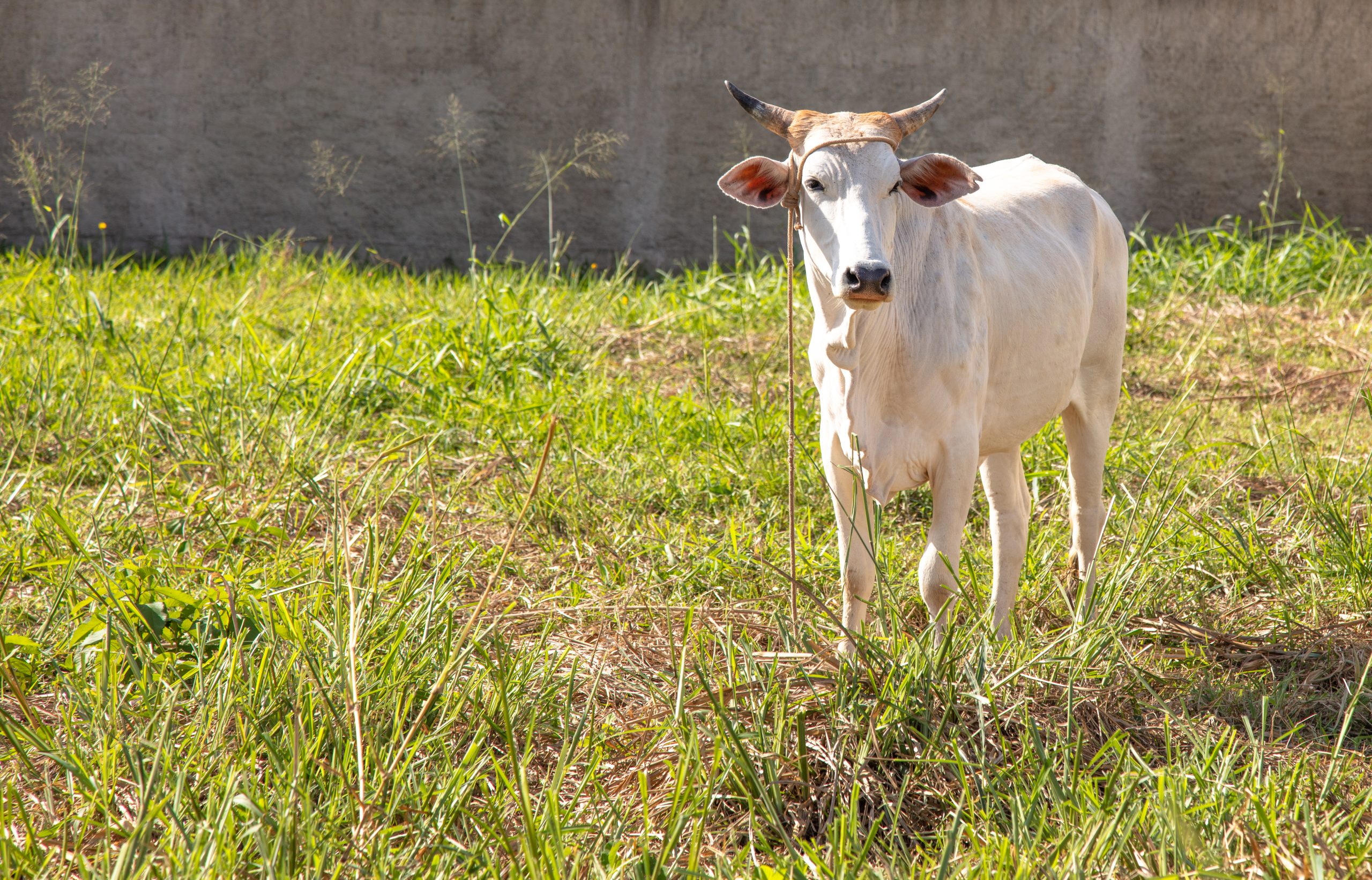











Empowering Farmers: Training and Skill Development for Indian Cow Dairy Farmers
Empowering Farmers: Training and Skill Development for Indian Cow Dairy Farmers
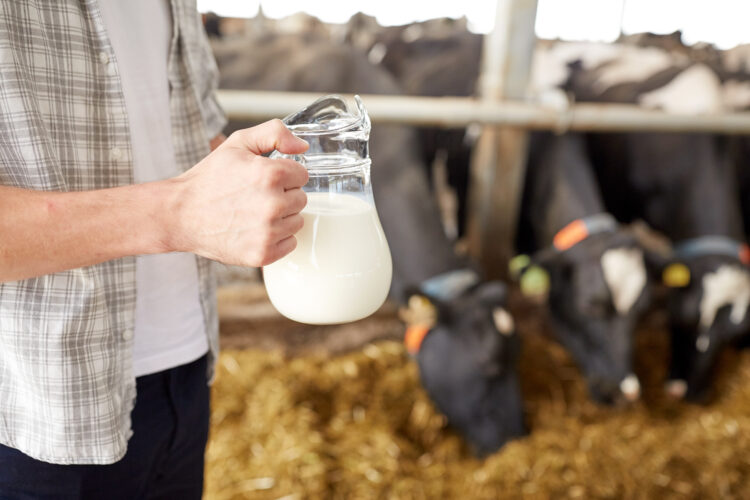
In the vast expanse of India’s rural landscape, where the rhythm of life is intertwined with the cycles of nature, dairy farming holds a special place as a cornerstone of livelihoods, sustenance, and cultural heritage. However, amidst the bucolic beauty and pastoral charm, Indian cow dairy farmers face a myriad of challenges ranging from resource constraints and technological barriers to market volatility and environmental sustainability. In the face of these challenges, training and skill development emerge as powerful tools for empowering farmers, enhancing productivity, and fostering sustainable agricultural practices. In this comprehensive guide, we delve into the importance of training and skill development for Indian cow dairy farmers, exploring the impact of capacity building initiatives on farm management, animal husbandry, and socio-economic well-being.
The Importance of Training and Skill Development:
Training and skill development play a pivotal role in equipping Indian cow dairy farmers with the knowledge, expertise, and technical know-how needed to navigate the complexities of modern agriculture. By providing farmers with access to training programs, workshops, and capacity building initiatives, agricultural institutions, government agencies, and non-profit organizations empower farmers to adopt best practices, improve farm management techniques, and enhance the productivity and profitability of their dairy operations.
Moreover, training and skill development initiatives contribute to the professionalization of dairy farming by promoting entrepreneurship, innovation, and lifelong learning among farmers. By fostering a culture of continuous improvement and skill enhancement, these initiatives enable farmers to adapt to changing market dynamics, technological advancements, and environmental challenges, ensuring the long-term sustainability and resilience of dairy farming in India.
Key Areas of Training and Skill Development:
Training and skill development programs for Indian cow dairy farmers encompass a wide range of areas, including:
- Animal Husbandry and Management: Animal husbandry training programs focus on equipping farmers with the knowledge and skills needed to care for dairy animals, including feeding, breeding, healthcare, and disease management. Farmers learn about optimal nutrition requirements, breeding techniques, vaccination schedules, and preventive healthcare measures to ensure the health and well-being of their cattle.
- Breeding and Genetics: Training programs in breeding and genetics aim to educate farmers about the principles of selective breeding, genetic improvement, and herd management practices. Farmers learn how to identify superior breeding stock, implement artificial insemination (AI) techniques, and maintain accurate records to track genetic progress and enhance the productivity and quality of their dairy herds.
- Fodder Cultivation and Management: Fodder cultivation and management training programs focus on teaching farmers how to cultivate, harvest, and store nutritious fodder crops for feeding dairy animals. Farmers learn about crop selection, soil preparation, irrigation techniques, and post-harvest storage methods to optimize fodder production and ensure year-round availability of quality feed for their cattle.
- Milk Production and Quality Control: Milk production and quality control training programs provide farmers with the knowledge and skills needed to optimize milk production, handle milk hygienically, and maintain milk quality standards. Farmers learn about milking techniques, sanitation practices, and milk testing procedures to ensure the safety, purity, and freshness of their dairy products.
- Farm Management and Financial Literacy: Farm management and financial literacy training programs focus on enhancing farmers’ managerial skills, financial acumen, and business planning capabilities. Farmers learn about budgeting, financial planning, marketing strategies, and value-added dairy product development to improve farm profitability, diversify income sources, and make informed decisions about resource allocation and investment.
Government Initiatives and Programs:
The Government of India, in collaboration with various state governments and agricultural institutions, has launched several initiatives and programs to promote training and skill development for Indian cow dairy farmers. These initiatives aim to enhance the technical capacity, entrepreneurial skills, and socio-economic well-being of dairy farmers across the country.
- National Dairy Plan (NDP): The National Dairy Plan (NDP) includes provisions for training and capacity building of dairy farmers through extension services, demonstration farms, and farmer training programs. NDP aims to enhance milk production and productivity by providing farmers with access to technical assistance, veterinary services, and training in modern dairy farming practices.
- Rashtriya Gokul Mission (RGM): The Rashtriya Gokul Mission (RGM) focuses on breed improvement and conservation of indigenous cattle breeds through training and capacity building initiatives for farmers. RGM provides training in breed management, breed improvement techniques, and scientific methods of animal husbandry to promote the sustainable development of indigenous cattle breeds.
- Dairy Entrepreneurship Development Scheme (DEDS): The Dairy Entrepreneurship Development Scheme (DEDS) includes provisions for training and skill development of dairy entrepreneurs, self-help groups (SHGs), and cooperative societies. DEDS aims to promote entrepreneurship in the dairy sector by providing training in dairy farming, milk processing, and value-added dairy product manufacturing.
- National Livestock Mission (NLM): The National Livestock Mission (NLM) includes provisions for capacity building and skill development of livestock farmers, including dairy farmers. NLM aims to enhance the productivity and profitability of livestock farming by providing training in improved animal husbandry practices, breed management, and disease control measures.
Role of Non-Profit Organizations and Private Sector:
In addition to government initiatives, non-profit organizations, agricultural cooperatives, and private sector companies play a crucial role in promoting training and skill development for Indian cow dairy farmers. These organizations often collaborate with government agencies, research institutions, and agricultural experts to organize training programs, workshops, and extension services for farmers.
Non-profit organizations such as the National Dairy Development Board (NDDB), Farmer Producer Organizations (FPOs), and dairy cooperatives like Amul and Mother Dairy are actively involved in providing training and capacity building support to dairy farmers across the country. These organizations offer training in dairy farming practices, breed management, fodder cultivation, and milk processing, as well as access to veterinary services, extension support, and market linkages for dairy products.
Private sector companies engaged in dairy farming, milk processing, and agribusiness also contribute to training and skill development efforts through corporate social responsibility (CSR) initiatives, farmer education programs, and technology transfer initiatives. These companies often collaborate with agricultural universities, research institutions, and industry experts to provide training in modern dairy farming techniques, quality assurance standards, and farm management practices to dairy farmers.
Challenges and Opportunities:
Despite the importance of training and skill development for Indian cow dairy farmers, several challenges and opportunities exist in the realm of capacity building in the dairy sector. These include:
- Accessibility and Outreach: Ensuring equitable access to training programs and extension services for smallholder farmers, women farmers, and marginalized communities remains a challenge due to logistical constraints, language barriers, and socio-economic disparities.
- Quality and Relevance: Maintaining the quality and relevance of training programs to meet the diverse needs and priorities of dairy farmers across different regions and production systems is essential to ensuring the effectiveness and impact of capacity building initiatives.
- Sustainability and Continuity: Sustaining training and skill development efforts over the long term requires ongoing investment, institutional support, and stakeholder engagement to address evolving challenges and opportunities in the dairy sector.
- Technology Adoption: Promoting the adoption of technology and innovation in dairy farming through training and capacity building initiatives is crucial for enhancing productivity, efficiency, and competitiveness in the dairy industry.
- Entrepreneurship and Value Addition: Encouraging entrepreneurship and value addition in the dairy sector through training in milk processing, product diversification, and marketing strategies can unlock new opportunities for income generation and economic empowerment among dairy farmers.
Conclusion: Empowering Farmers for a Sustainable Future
In conclusion, training and skill development play a critical role in empowering Indian cow dairy farmers with the knowledge, expertise, and resources needed to thrive in an increasingly complex and competitive agricultural landscape. By providing farmers with access to training programs, extension services, and capacity building initiatives, governments, non-profit organizations, and private sector actors can empower farmers to adopt sustainable farming practices, improve productivity, and enhance their socio-economic well-being.
However, realizing the full potential of training and skill development in the dairy sector requires concerted efforts, collaboration, and investment from all stakeholders. By addressing the challenges and seizing the opportunities inherent in capacity building initiatives, Indian cow dairy farmers can build a resilient, prosperous, and sustainable future for themselves and future generations. Through lifelong learning, innovation, and collective action, farmers can continue to be the custodians of India’s rich agricultural heritage and the stewards of its bountiful land for years to come.

Written by
Ajay Kuriakose Jacobs
Dairy Farming
July 17, 2024
© Copyright 2026 Ajay Kuriakose Jacobs All Rights Reserved.
Archive
Frequently Read Topics