














Harnessing Technological Innovation: Revolutionizing Buffalo Farming with IoT and AI
Harnessing Technological Innovation: Revolutionizing Buffalo Farming with IoT and AI
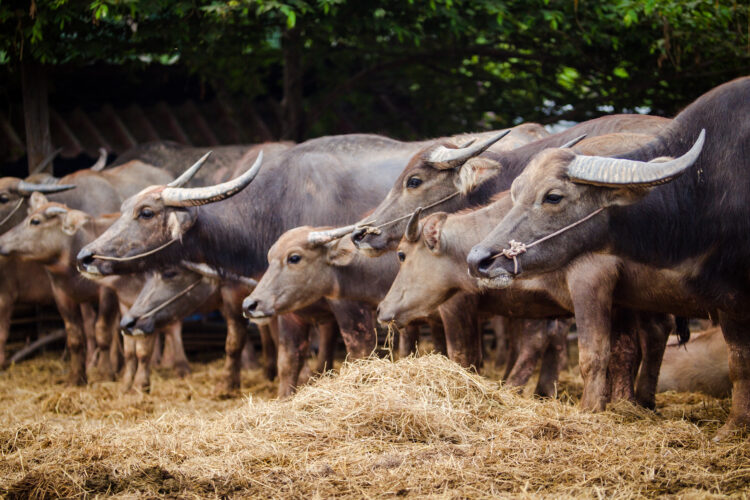
Technology has become an integral part of modern agriculture, transforming traditional farming practices and revolutionizing the way livestock are managed and monitored. In the context of buffalo farming, technological innovations such as Internet of Things (IoT) and Artificial Intelligence (AI) offer unprecedented opportunities to enhance productivity, efficiency, and sustainability. From precision monitoring of animal health to automated feeding systems, the integration of IoT and AI technologies holds immense potential to optimize buffalo farming operations and improve overall farm performance. In this feature article, we will explore the diverse applications of IoT and AI in buffalo farming, examine their benefits and challenges, and envision the future of technology-enabled agriculture.
The Role of IoT in Buffalo Farming:
- Remote Monitoring of Animal Health:
IoT devices such as wearable sensors, smart collars, and implanted microchips enable real-time monitoring of buffalo health parameters such as body temperature, heart rate, and activity levels. These sensors collect data continuously and transmit it wirelessly to centralized monitoring systems, allowing farmers to detect signs of illness, injury, or distress early and intervene promptly. Remote monitoring of animal health using IoT technology helps prevent disease outbreaks, reduce veterinary costs, and improve overall herd health and welfare.
2.Precision Feeding and Nutrition Management:
IoT-enabled feeding systems and automated feeders use sensors, actuators, and algorithms to deliver precise amounts of feed and supplements to buffaloes based on their individual nutritional requirements. These systems can adjust feed composition and feeding schedules dynamically in response to factors such as body condition, milk production, and metabolic status, optimizing feed efficiency and minimizing wastage. By providing buffaloes with tailored diets tailored to their specific needs, IoT-based feeding systems promote optimal growth, reproduction, and milk production while reducing feed costs and environmental impact.
3.Environmental Monitoring and Resource Management:
IoT sensors and environmental monitoring devices can track environmental conditions such as temperature, humidity, air quality, and water availability in buffalo housing facilities and grazing areas. These sensors provide real-time data on microclimatic conditions and resource usage, enabling farmers to optimize ventilation, heating, cooling, and water management systems for optimal comfort and productivity. By monitoring environmental parameters using IoT technology, farmers can mitigate the risk of heat stress, respiratory diseases, and water scarcity, ensuring the well-being of buffaloes and enhancing farm sustainability.
4.Reproductive Management and Breeding Programs:
IoT-enabled reproductive management systems use sensors and data analytics to monitor buffalo estrus cycles, detect ovulation, and optimize breeding timing for artificial insemination or natural mating. These systems can track hormone levels, estrus behavior, and reproductive performance indicators, allowing farmers to identify fertile periods and maximize conception rates. IoT technology also facilitates data-driven breeding programs, where genetic information, pedigree records, and performance data are analyzed to select superior breeding stock and improve herd genetics over time.
The Role of AI in Buffalo Farming:
- Predictive Analytics and Disease Detection:
AI algorithms and machine learning models analyze large datasets of buffalo health records, diagnostic tests, and environmental factors to identify patterns, trends, and risk factors associated with disease outbreaks and health issues. By leveraging predictive analytics, AI systems can forecast disease prevalence, anticipate health challenges, and recommend preventive measures or treatment protocols to minimize the impact of disease on buffalo productivity and welfare. AI-powered disease detection systems enable early intervention and proactive management strategies, reducing the incidence of illness and mortality in buffalo herds.
2.Automated Image Analysis and Behavior Recognition:
AI algorithms trained on image recognition techniques can analyze visual data from cameras, drones, or satellite imagery to monitor buffalo behavior, detect abnormal activities, and identify signs of distress or aggression. Automated image analysis systems can detect changes in buffalo posture, movement patterns, or facial expressions that may indicate pain, discomfort, or disease symptoms. By recognizing subtle behavioral cues and anomalies, AI-powered monitoring systems enable farmers to intervene promptly and provide appropriate care and attention to buffaloes in need.
3.Smart Decision Support Systems:
AI-powered decision support systems integrate data from multiple sources, including weather forecasts, market trends, and farm management records, to provide actionable insights and recommendations to buffalo farmers. These systems use AI algorithms to analyze complex data sets, simulate different scenarios, and optimize decision-making processes related to feed management, breeding strategies, disease control, and resource allocation. By leveraging AI-driven decision support tools, farmers can make informed decisions, minimize risks, and maximize profitability in buffalo farming operations.
4.Precision Livestock Management:
AI-enabled precision livestock management systems combine IoT sensors, data analytics, and AI algorithms to monitor, manage, and optimize buffalo farming operations with unprecedented precision and efficiency. These systems provide real-time monitoring of animal health, behavior, and performance metrics, allowing farmers to track individual buffalo, detect deviations from normal patterns, and take proactive measures to address potential issues. By harnessing the power of AI, precision livestock management systems enable farmers to optimize resource use, improve productivity, and enhance animal welfare in buffalo farming systems.
Benefits and Challenges of IoT and AI in Buffalo Farming:
Benefits:
- Improved Animal Health and Welfare:
- Early disease detection and intervention
- Enhanced nutrition management and feed efficiency
- Optimized environmental conditions and comfort
- Increased Productivity and Efficiency:
- Enhanced reproductive performance and breeding outcomes
- Precision feeding and resource management
- Data-driven decision-making and optimization of farm operations
- Sustainability and Environmental Conservation:
- Reduced resource wastage and environmental impact
- Enhanced resilience to climate change and environmental stressors
- Improved soil health, water conservation, and biodiversity conservation
Challenges:
- Cost and Accessibility:
- High initial investment in technology infrastructure and equipment
- Limited access to affordable IoT and AI solutions for small-scale farmers
- Data Privacy and Security:
- Concerns about data privacy, ownership, and cybersecurity risks
- Need for robust data protection measures and compliance with regulatory requirements
- Technological Complexity and Skills Gap:
- Complexity of IoT and AI systems requiring specialized knowledge and skills
- Training and capacity-building needed to effectively implement and manage technology solutions
- Integration and Interoperability:
- Compatibility issues and interoperability challenges when integrating different IoT and AI platforms
- Need for standardized protocols and interfaces to enable seamless data exchange and interoperability
Conclusion:
IoT and AI technologies hold immense promise for revolutionizing buffalo farming by enhancing productivity, efficiency, and sustainability. From precision monitoring of animal health to data-driven decision support systems, these technologies offer innovative solutions to overcome traditional challenges and unlock new opportunities in buffalo farming operations. By harnessing the power of IoT and AI, buffalo farmers can optimize resource use, improve animal welfare, and mitigate environmental impact, contributing to a more sustainable and resilient agricultural sector. However, addressing challenges such as cost, data privacy, technological complexity, and skills gap is essential to realize the full potential of IoT and AI in buffalo farming and ensure equitable access to technology-enabled solutions for all farmers. Through collaboration, innovation, and investment in technology adoption, buffalo farming can embrace the digital revolution and pave the way for a more efficient, productive, and sustainable future.

Written by
Ajay Kuriakose Jacobs
Buffalo Farming
July 23, 2024
© Copyright 2026 Ajay Kuriakose Jacobs All Rights Reserved.
Archive
Frequently Read Topics


