













The Art of Cheese Sculpting: A Guide to Creating Edible Masterpieces
The Art of Cheese Sculpting: A Guide to Creating Edible Masterpieces
Cheese, with its rich history and diverse array of flavors and textures, has long been celebrated as a culinary staple around the world. But beyond its role as a delicious ingredient in various dishes, cheese has also found its place as a medium for artistic expression. Enter the fascinating world of cheese sculpting, where skilled artisans transform humble blocks of cheese into stunning works of edible art. In this feature article, we will explore the art of cheese sculpting, its history, techniques, and the creative possibilities it offers to cheese enthusiasts and artists alike.
A Brief History of Cheese Sculpting
The art of cheese sculpting traces its roots back centuries, with evidence of cheese being carved and molded for decorative purposes in ancient civilizations. In Europe, where cheese-making traditions have been passed down through generations, cheese sculpting became intertwined with cultural celebrations and festivities. From intricate cheese carvings adorning banquet tables to whimsical sculptures crafted for special occasions, cheese sculpting has evolved into a cherished tradition in many cultures.
In recent years, cheese sculpting has gained recognition as a form of culinary art, with cheese artists showcasing their talents at festivals, competitions, and events around the world. With the rise of social media platforms, cheese sculpting has also found a new audience online, where enthusiasts share their creations and inspire others to explore the possibilities of sculpting with cheese.
Techniques and Tools
Creating a cheese sculpture requires a combination of skill, creativity, and patience. While the specific techniques and tools used may vary depending on the artist’s preferences and the complexity of the sculpture, there are some common practices and tools that are often employed in cheese sculpting:
- Selection of Cheese: The choice of cheese plays a crucial role in cheese sculpting. Hard cheeses like cheddar, Gouda, and Parmesan are popular choices due to their firm texture and ability to hold shape when carved. Soft cheeses like brie and Camembert can also be used for sculpting, although they require more delicate handling.
- Preparation: Before sculpting, it’s important to ensure that the cheese is at the right temperature for carving. Cheese that is too cold may be difficult to work with, while cheese that is too warm may become too soft and lose its shape. It’s recommended to let the cheese sit at room temperature for a short time before sculpting.
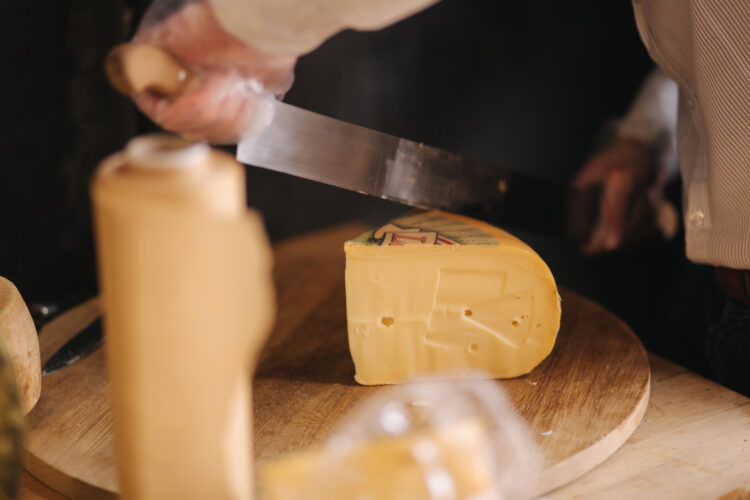
- Carving Tools: Various tools can be used for carving and shaping cheese, including cheese knives, sculpting knives, paring knives, and carving tools. These tools come in different shapes and sizes, allowing artists to achieve different effects and details in their sculptures.
- Modeling: Some cheese sculptors prefer to start with a rough outline or sketch of their sculpture before beginning to carve. Others may prefer to work intuitively, allowing the cheese to guide their artistic vision as they sculpt.
- Finishing Touches: Once the main body of the sculpture is carved, artists may use smaller tools or even kitchen utensils like toothpicks and brushes to add finer details and textures to their creations. This attention to detail can elevate a cheese sculpture from a simple carving to a true work of art.
Creative Possibilities
The creative possibilities of cheese sculpting are virtually endless, limited only by the imagination and skill of the artist. From whimsical animal shapes to intricate replicas of famous landmarks, cheese sculptures can take on a wide range of forms and themes. Some artists specialize in creating realistic sculptures that resemble everyday objects or animals, while others push the boundaries of traditional cheese sculpting by experimenting with abstract forms and avant-garde techniques.
Cheese sculpting also offers opportunities for collaboration and innovation, with artists often working alongside chefs, event planners, and cheese-makers to create custom sculptures for special events and occasions. Whether it’s a wedding reception, corporate event, or food festival, a well-crafted cheese sculpture can serve as a memorable centerpiece that delights and entertains guests while showcasing the versatility and artistry of cheese.
Challenges and Considerations
While cheese sculpting can be a rewarding and enjoyable pursuit, it also comes with its own set of challenges and considerations. Working with cheese requires careful attention to detail and a steady hand, as even minor mistakes can affect the overall appearance and stability of the sculpture. Additionally, cheese sculptures are perishable and may need to be refrigerated or stored in a cool environment to prevent them from melting or losing their shape.
Another challenge faced by cheese sculptors is the limited shelf life of their creations. Unlike sculptures made from more durable materials like clay or stone, cheese sculptures are meant to be enjoyed and consumed relatively soon after they are created. This can make it difficult for artists to showcase their work beyond the initial presentation, although some may choose to document their sculptures through photography or video to preserve their memory.
Conclusion: Celebrating the Art of Cheese Sculpting
In conclusion, cheese sculpting is a fascinating and dynamic art form that celebrates the beauty and versatility of cheese. From its humble beginnings as a decorative tradition to its modern incarnation as a recognized culinary art, cheese sculpting continues to captivate audiences around the world with its creativity, craftsmanship, and deliciously edible creations. Whether you’re a cheese enthusiast looking to try your hand at sculpting or simply someone who appreciates the artistry of food, cheese sculpting offers a unique and immersive experience that is sure to leave a lasting impression. So why not embrace your inner artist and explore the possibilities of cheese sculpting today?
Previous Article
The Art of Cheese Labeling: Design and Marketing Strategies
Written by
Ajay Kuriakose Jacobs
Cheese
July 24, 2024
© Copyright 2026 Ajay Kuriakose Jacobs All Rights Reserved.
Archive
Frequently Read Topics


