
















Harvesting Bounty: Best Practices for Fruit Harvesting, Storage, and Transportation
Harvesting Bounty: Best Practices for Fruit Harvesting, Storage, and Transportation
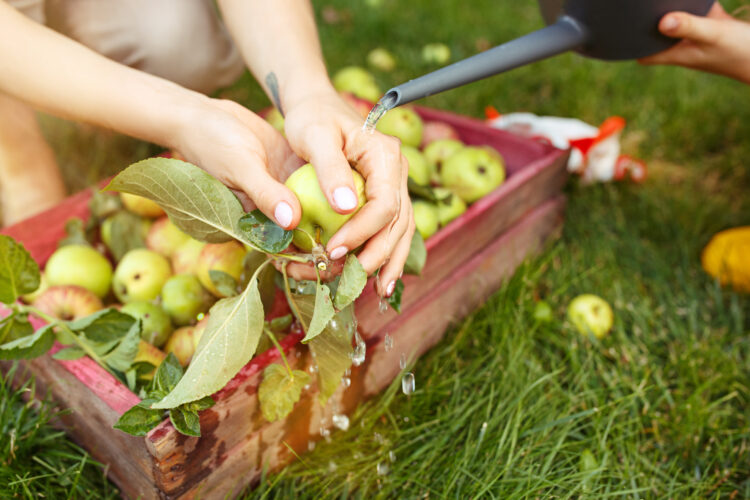
In the symphony of the seasons, the act of harvesting fruit is a crescendo of anticipation, skill, and care. From the gentle pluck of ripe apples from laden branches to the careful sorting of delicate berries into crates, each step in the harvesting process is a testament to the artistry and expertise of fruit farmers. Yet, the journey of fruit from orchard to table does not end with the harvest; it continues with storage and transportation, crucial stages that can determine the quality, freshness, and shelf life of the fruit. In this comprehensive guide, we’ll explore the best practices for fruit harvesting, storage, and transportation, illuminating the path from field to fork and ensuring that the fruits of your labor reach consumers in peak condition.
- Harvesting: Timing, Technique, and Quality
The art of harvesting begins with meticulous timing, as fruit farmers strive to strike the perfect balance between ripeness and readiness for picking. Key considerations for successful fruit harvesting include:
- Timing: Harvest fruit at the peak of ripeness, when sugar content, flavor, color, and aroma are optimal. Use a combination of visual cues, such as fruit color and firmness, and sensory cues, such as aroma and taste, to determine ripeness.
- Technique: Handle fruit with care during harvesting to minimize bruising, damage, and spoilage. Use sharp pruning shears or scissors to snip fruit from the plant or tree, avoiding excessive pulling or twisting that can cause injury to the fruit or plant.
- Quality Control: Inspect fruit carefully during harvesting, sorting out damaged, diseased, or overripe fruit to ensure only the highest-quality specimens make it to market. Grade fruit based on size, shape, color, and uniformity to meet market standards and consumer expectations.
By prioritizing timing, technique, and quality control, fruit farmers can maximize the flavor, freshness, and marketability of their harvests, setting the stage for success in storage and transportation.
- Storage: Preserving Freshness and Flavor
Effective fruit storage is essential for maintaining freshness, flavor, and nutritional quality during transit and beyond. To prolong shelf life and preserve fruit quality, consider the following storage best practices:
- Temperature Control: Store fruit at optimal temperatures to slow ripening and prevent spoilage. Cold storage facilities, such as refrigerated warehouses or controlled atmosphere storage rooms, provide ideal conditions for many types of fruit, extending shelf life and preserving quality.
- Humidity Management: Maintain appropriate humidity levels in storage facilities to prevent moisture loss and dehydration, which can lead to shriveling and wilting. Use humidifiers, evaporative cooling systems, or moisture-retaining materials such as damp cloths or sawdust to regulate humidity levels as needed.
- Ventilation: Ensure adequate airflow and ventilation in storage areas to prevent the buildup of ethylene gas, which can accelerate ripening and spoilage. Use fans, vents, or air circulation systems to promote airflow and regulate temperature and humidity gradients throughout the storage facility.
- Packaging: Choose appropriate packaging materials and methods to protect fruit from physical damage, moisture loss, and microbial contamination during storage and transportation. Use breathable materials such as perforated plastic bags, corrugated cardboard boxes, or wooden crates to allow for gas exchange while providing protection from external factors.
By implementing proper storage practices, fruit farmers can extend the shelf life of their harvests, minimize post-harvest losses, and ensure that consumers enjoy fresh, flavorful fruit year-round.
- Transportation: Ensuring Safe and Efficient Delivery
The journey from farm to market is a critical stage in the fruit supply chain, requiring careful planning, coordination, and execution to ensure safe and efficient transportation of perishable goods. Consider the following best practices for fruit transportation:
- Temperature Monitoring: Monitor and control temperature conditions throughout the transportation process to prevent temperature fluctuations and maintain optimal storage conditions for fruit. Use temperature monitoring devices such as data loggers or temperature-sensitive labels to track temperature levels and identify potential issues in real time.
- Packaging and Handling: Package fruit securely in appropriate containers or packaging materials to prevent damage, bruising, or crushing during transit. Use cushioning materials such as foam pads, paper liners, or inflatable airbags to protect fruit from shock and vibration during handling and transportation.
- Timely Delivery: Coordinate transportation schedules and logistics to ensure timely delivery of fruit to market, minimizing delays and ensuring that fruit reaches consumers in peak condition. Work with reliable transportation partners and logistics providers who specialize in perishable goods and understand the unique requirements of fruit transportation.
- Cold Chain Management: Maintain the integrity of the cold chain throughout the transportation process, ensuring that fruit remains within the desired temperature range from the moment it leaves the farm until it reaches its final destination. Monitor temperature conditions in transit and take corrective action as needed to prevent temperature excursions and ensure product quality and safety.
By adhering to best practices for transportation, fruit farmers can minimize the risk of post-harvest losses, preserve fruit quality and freshness, and enhance customer satisfaction and loyalty.
Conclusion: From Field to Fork
In the intricate dance of fruit farming, each stage in the journey from field to fork plays a pivotal role in ensuring the quality, freshness, and safety of the final product. By mastering the art of harvesting, storage, and transportation, fruit farmers can preserve the bounty of the harvest, extend the reach of their produce, and delight consumers with fresh, flavorful fruit year-round. With careful planning, attention to detail, and a commitment to excellence, fruit farmers can ensure that the fruits of their labor reach consumers in peak condition, nourishing bodies, delighting senses, and fostering connections from field to fork and beyond.

Written by
Ajay Kuriakose Jacobs
Fruit Farming
August 10, 2024
© Copyright 2025 Ajay Kuriakose Jacobs All Rights Reserved.
Archive
Frequently Read Topics


Subscribe to our Blogs
Feel better, get smarter, and LOL a little… every week.
Most Popular in Travel
-
 Ducks and Geese Farming
Beginner’s Guide to Duck and Geese Farming
-
 Dairy Farming
Introduction to Indian Cow Breeds: A Comprehensive Guide
-


