














Navigating Local Markets: A Comprehensive Guide to Marketing Your Turkey Products
Navigating Local Markets: A Comprehensive Guide to Marketing Your Turkey Products
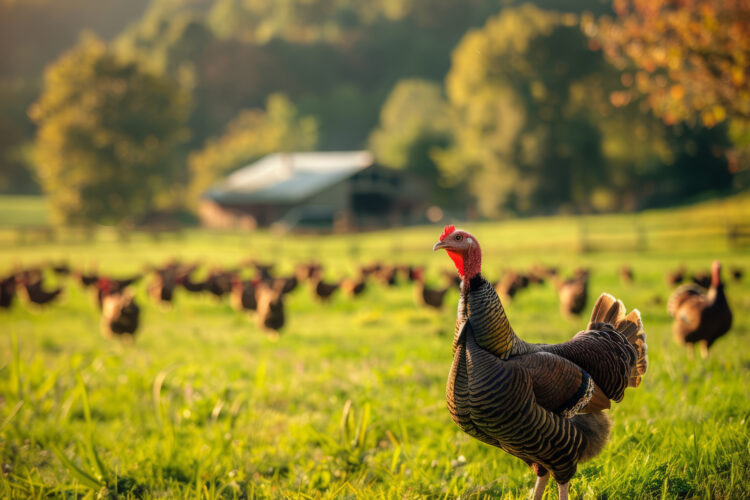
In recent years, there has been a growing demand for locally sourced, high-quality food products, including turkey meat, eggs, and value-added products. For turkey farmers, tapping into local markets presents a valuable opportunity to connect with consumers, build brand loyalty, and generate revenue. However, effectively marketing turkey products to local markets requires careful planning, strategic positioning, and a deep understanding of consumer preferences and market trends. In this comprehensive guide, we will explore the ins and outs of marketing turkey products to local markets, offering expert insights, practical tips, and actionable strategies to help farmers succeed in today’s competitive marketplace.
Understanding Local Markets:
Before diving into marketing strategies, it’s essential to understand the dynamics of local markets and the preferences of local consumers. Local markets can encompass a wide range of venues, including farmers’ markets, community-supported agriculture (CSA) programs, farm stands, grocery stores, restaurants, and online platforms. Each market has its unique characteristics, target demographics, and purchasing behaviors, which can influence marketing approaches and product offerings.
Key Considerations for Marketing Turkey Products Locally:
- Product Differentiation: Differentiate your turkey products from competitors by highlighting unique selling points such as freshness, quality, flavor, and production methods. Emphasize factors that resonate with local consumers, such as sustainable farming practices, humane animal welfare standards, and transparent sourcing.
- Branding and Packaging: Develop a strong brand identity and packaging design that reflects your farm’s values, story, and commitment to quality. Use branding elements such as logos, labels, and packaging materials to create a cohesive and memorable brand experience that resonates with consumers.
- Pricing Strategy: Set competitive yet profitable pricing for your turkey products based on production costs, market demand, and consumer willingness to pay. Consider factors such as seasonality, product availability, and competitor pricing when determining pricing strategies for different market channels.
- Marketing Channels: Explore a variety of marketing channels to reach local consumers, including online platforms, social media, email newsletters, print advertising, and word-of-mouth referrals. Tailor your marketing efforts to the preferences and behaviors of your target audience, leveraging channels that offer the greatest reach and engagement.
- Product Diversity: Offer a diverse range of turkey products to appeal to different consumer preferences and dietary needs. Consider offering fresh whole turkeys, turkey cuts, ground turkey, turkey sausages, smoked turkey, turkey deli meats, turkey eggs, and value-added products such as turkey burgers, meatballs, and prepared meals.
- Sampling and Demonstrations: Provide samples of your turkey products at farmers’ markets, grocery stores, and events to allow consumers to taste the quality and freshness of your offerings. Host cooking demonstrations, recipe tastings, and educational sessions to showcase the versatility and culinary potential of turkey products.
- Customer Engagement: Build relationships with customers through personalized interactions, exceptional customer service, and genuine storytelling. Share your farm’s story, production practices, and values with consumers to create a connection and foster trust in your brand.
- Collaboration and Partnerships: Collaborate with local businesses, chefs, restaurants, and community organizations to expand your reach and access new customer segments. Explore opportunities for cross-promotion, joint events, and co-branded initiatives that showcase your turkey products in innovative ways.
- Feedback and Adaptation: Solicit feedback from customers, gather market insights, and monitor sales performance to continuously refine and adapt your marketing strategies. Stay responsive to changing consumer preferences, market trends, and competitive dynamics to maintain a competitive edge and drive growth.
Case Study: Marketing Turkey Products to Local Markets
To illustrate the principles and strategies outlined above, let’s consider a hypothetical case study of a family-owned turkey farm located in a rural community. The farm specializes in pasture-raised heritage breed turkeys raised without antibiotics or hormones, emphasizing humane animal welfare and regenerative farming practices.
Marketing Strategy:
The farm adopts a multi-faceted marketing strategy to promote its turkey products to local markets:
- Branding and Packaging: The farm develops a distinctive brand identity featuring a logo inspired by the farm’s natural surroundings and heritage breed turkeys. Packaging materials such as labels, stickers, and reusable bags prominently display the farm’s logo, messaging, and product information.
- Product Differentiation: The farm differentiates its turkey products by highlighting the unique qualities of heritage breed turkeys, including superior flavor, texture, and nutrition. Marketing materials emphasize the farm’s commitment to sustainable farming practices, animal welfare, and local sourcing.
- Pricing Strategy: The farm adopts a value-based pricing strategy that reflects the premium quality and ethical production methods of its turkey products. Prices are set competitively to attract discerning consumers willing to pay a premium for superior taste, freshness, and provenance.
- Marketing Channels: The farm leverages a mix of marketing channels to reach local consumers, including an e-commerce website, social media platforms (e.g., Facebook, Instagram), email newsletters, and print advertisements in local newspapers and magazines. The farm also participates in farmers’ markets, food festivals, and community events to engage directly with customers and showcase its products.
- Product Diversity: The farm offers a diverse range of turkey products to cater to different consumer preferences and culinary needs. In addition to fresh whole turkeys, the farm sells turkey cuts, ground turkey, turkey sausages, smoked turkey, turkey eggs, and value-added products such as turkey burgers, meatballs, and prepared meals.
- Sampling and Demonstrations: The farm provides samples of its turkey products at farmers’ markets and grocery stores, allowing customers to taste the quality and flavor firsthand. The farm also hosts cooking demonstrations and recipe tastings featuring its turkey products to inspire customers and demonstrate their versatility in various dishes.
- Customer Engagement: The farm prioritizes customer engagement and relationship-building through personalized interactions, educational content, and storytelling. The farm’s website and social media channels feature behind-the-scenes glimpses of farm life, interviews with farmers, and educational resources on turkey farming and cooking.
- Collaboration and Partnerships: The farm collaborates with local chefs, restaurants, and specialty food stores to showcase its turkey products in curated menus, special events, and seasonal promotions. The farm also partners with local schools, community organizations, and food banks to donate excess produce and support food security initiatives.
Conclusion:
Marketing turkey products to local markets presents a valuable opportunity for farmers to connect with consumers, build brand loyalty, and drive sales. By adopting a strategic approach to branding, pricing, distribution, and customer engagement, farmers can effectively position their turkey products in the marketplace and differentiate themselves from competitors. With a focus on quality, authenticity, and community engagement, farmers can build strong relationships with local consumers and contribute to the growth and sustainability of the local food economy.

Written by
Ajay Kuriakose Jacobs
Turkey Farming
August 15, 2024
© Copyright 2026 Ajay Kuriakose Jacobs All Rights Reserved.
Archive
Frequently Read Topics


