














Mastering Turkey Handling and Transportation: Expert Tips for Success
Mastering Turkey Handling and Transportation: Expert Tips for Success
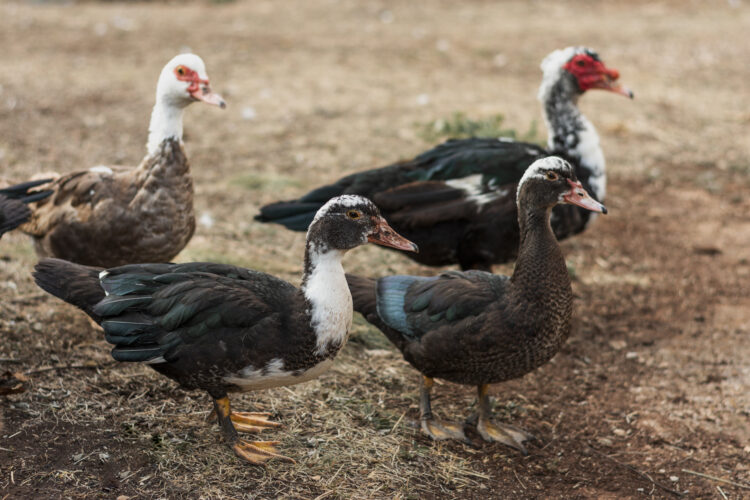
Handling and transporting turkeys are critical aspects of poultry management that require careful attention to ensure the health, welfare, and safety of the birds. Proper handling techniques and transportation practices are essential for minimizing stress, injuries, and mortality during transit and maintaining the overall quality of turkey products. In this comprehensive guide, we will delve into expert tips and best practices for handling and transporting turkeys, offering valuable insights to farmers, transporters, and poultry industry professionals.
Understanding Turkey Behavior:
Before delving into handling and transportation tips, it’s essential to understand turkey behavior and physiology. Turkeys are social, prey animals with keen senses and natural instincts for survival. They can be easily startled by sudden movements, loud noises, or unfamiliar stimuli, leading to stress, panic, and flight responses. Understanding turkey behavior and body language is essential for effective handling and transportation.
Expert Tips for Handling Turkeys:
- Approach Calmly: When handling turkeys, approach them calmly and quietly to avoid startling or agitating the birds. Move slowly and avoid sudden movements or loud noises that may trigger stress or flight responses.
- Use Proper Handling Techniques: When catching or restraining turkeys, use gentle, yet firm handling techniques to minimize stress and injuries. Support the bird’s body securely to prevent flapping or struggling and avoid excessive pressure or squeezing.
- Handle with Care: Handle turkeys with care to avoid causing injuries or discomfort. Avoid grabbing or pulling birds by their wings, legs, or necks, as this can cause injury or distress. Instead, support the bird’s body and gently lift or move them as needed.
- Minimize Handling Time: Minimize handling time to reduce stress and fatigue for both turkeys and handlers. Plan handling activities efficiently and avoid unnecessary handling or movement of birds whenever possible.
- Provide Rest Periods: During prolonged handling or transportation, provide rest periods to allow turkeys to recover and alleviate stress. Avoid overcrowding or excessive confinement and provide access to water and feed if possible.
Expert Tips for Transporting Turkeys:
- Use Proper Transportation Equipment: Use suitable transportation equipment such as well-ventilated crates, containers, or trailers designed specifically for transporting turkeys. Ensure adequate space, ventilation, and protection from environmental extremes to maintain bird comfort and welfare during transit.
- Optimize Loading Practices: Load turkeys carefully and efficiently to minimize stress and injuries. Use ramps, chutes, or loading docks to facilitate smooth and gentle loading, and avoid overcrowding or excessive stacking of crates to prevent crushing or suffocation.
- Monitor Environmental Conditions: Monitor environmental conditions such as temperature, humidity, and air quality during transportation to ensure the health and welfare of turkeys. Provide adequate ventilation, temperature control, and protection from extreme weather conditions to prevent heat stress, hypothermia, or suffocation.
- Plan Routes Carefully: Plan transportation routes carefully to minimize travel time, distance, and disruptions. Choose well-maintained roads with smooth surfaces and minimal traffic congestion to reduce vibration, jolting, and stress during transit.
- Handle Turkeys with Care: During transportation, handle turkeys with care to minimize stress and injuries. Avoid rough handling, excessive shaking, or sudden stops or turns that can cause birds to fall or collide with each other or the container walls.
Conclusion:
Handling and transporting turkeys require skill, attention to detail, and a deep understanding of turkey behavior and welfare needs. By employing proper handling techniques and transportation practices, farmers, transporters, and poultry industry professionals can ensure the health, welfare, and safety of turkeys during transit and maintain the overall quality of turkey products. With careful planning, training, and adherence to best practices, handling and transportation operations can be conducted efficiently, responsibly, and compassionately, contributing to the success and sustainability of the poultry industry.

Written by
Ajay Kuriakose Jacobs
Turkey Farming
August 13, 2024
© Copyright 2026 Ajay Kuriakose Jacobs All Rights Reserved.
Archive
Frequently Read Topics


