














Harvesting Nature’s Bounty: A Comprehensive Guide to Using Shrimp Waste as Natural Fertilizer
Harvesting Nature’s Bounty: A Comprehensive Guide to Using Shrimp Waste as Natural Fertilizer
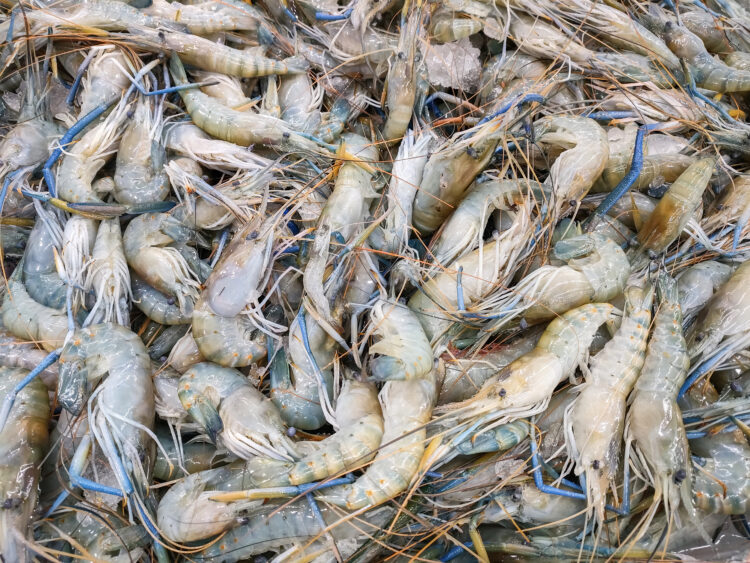
In the pursuit of sustainable agriculture, innovative methods for recycling organic waste and replenishing soil nutrients are gaining traction among farmers worldwide. Shrimp waste, a byproduct of the booming aquaculture industry, offers a valuable source of organic matter and essential nutrients that can be repurposed as natural fertilizer for plants. In this feature article, we will explore the benefits of using shrimp waste as fertilizer, provide guidance on collection and processing methods, and offer practical tips for maximizing its effectiveness in plant cultivation.
- Harnessing the Power of Shrimp Waste
Shrimp waste, which includes shrimp shells, heads, tails, and other discarded parts, is rich in organic matter, nitrogen, phosphorus, calcium, and other essential nutrients that are beneficial for plant growth and soil fertility. Instead of discarding shrimp waste as a byproduct of processing, farmers can harness its nutrient-rich properties to nourish plants, improve soil structure, and enhance crop yields. By recycling shrimp waste into natural fertilizer, farmers can reduce reliance on synthetic fertilizers, minimize waste disposal costs, and promote sustainable agricultural practices.
- Nutrient Content of Shrimp Waste
Shrimp waste is a nutrient-dense material that contains a variety of essential elements required for plant growth and development. The nutrient composition of shrimp waste can vary depending on factors such as shrimp species, processing methods, and age of the waste material. However, common nutrients found in shrimp waste include:
- Nitrogen (N): Essential for vegetative growth, protein synthesis, and chlorophyll production.
- Phosphorus (P): Important for root development, energy transfer, and flower and fruit formation.
- Calcium (Ca): Crucial for cell wall formation, membrane integrity, and nutrient uptake.
- Potassium (K): Necessary for osmotic regulation, enzyme activation, and stress tolerance.
- Magnesium (Mg): Involved in chlorophyll synthesis, photosynthesis, and enzyme activation.
- Micronutrients (e.g., iron, manganese, zinc): Required in small amounts for various metabolic functions and enzyme activities.
- Benefits of Using Shrimp Waste as Fertilizer
- Improved Soil Structure: Shrimp waste contains organic matter that helps improve soil structure, increase water retention, and enhance nutrient availability for plant uptake.
- Enhanced Nutrient Cycling: By recycling shrimp waste into fertilizer, farmers can contribute to nutrient cycling and organic matter decomposition in agricultural ecosystems, promoting soil health and fertility over time.
- Reduced Environmental Impact: Utilizing shrimp waste as fertilizer reduces the need for synthetic fertilizers, which can leach into water bodies, pollute groundwater, and contribute to environmental degradation.
- Cost Savings: Shrimp waste is often available at low or no cost, making it an economical alternative to commercial fertilizers for farmers seeking to minimize input costs and maximize profitability.
- Sustainable Agriculture: Incorporating shrimp waste into agricultural systems promotes sustainable farming practices by reducing waste generation, enhancing resource efficiency, and closing nutrient cycles within the food production system.
- Collection and Processing Methods
Collecting and processing shrimp waste for use as fertilizer requires careful attention to hygiene, odor control, and nutrient preservation. The following steps outline a typical process for collecting and processing shrimp waste:
- Collection: Collect shrimp waste from seafood processing facilities, shrimp farms, or local fishermen. Ensure that the waste is free from contaminants, such as chemicals, antibiotics, or heavy metals, that may be harmful to plants or the environment.
- Drying: Dry the collected shrimp waste to reduce moisture content and prevent spoilage. This can be achieved using solar drying racks, mechanical dryers, or air-drying methods. Proper drying helps minimize odor, reduce microbial activity, and prolong the shelf life of the fertilizer.
- Grinding: Grind the dried shrimp waste into smaller particles to facilitate decomposition and nutrient release in the soil. A hammer mill, grinder, or shredder can be used to achieve the desired particle size.
- Composting (Optional): Composting shrimp waste with other organic materials, such as crop residues, yard waste, or compost amendments, can further enhance its nutrient content and microbial activity. Composting also helps stabilize the organic matter, reduce odor, and improve soil structure.
- Application Techniques and Considerations
When applying shrimp waste as fertilizer, it is essential to consider factors such as soil type, crop nutrient requirements, application rates, and timing. The following tips can help maximize the effectiveness of shrimp waste fertilizer:
- Soil Testing: Conduct soil tests to determine nutrient levels and pH before applying shrimp waste fertilizer. This helps tailor the fertilizer application to meet specific crop requirements and avoid over- or under-fertilization.
- Application Rates: Apply shrimp waste fertilizer at recommended rates based on crop nutrient needs and soil test results. Avoid excessive application rates, as this can lead to nutrient imbalances, soil salinity, and environmental pollution.
- Incorporation: Incorporate shrimp waste fertilizer into the soil using tillage, cultivation, or irrigation methods to ensure even distribution and maximize nutrient availability to plant roots.
- Timing: Apply shrimp waste fertilizer at the appropriate time during the crop growth cycle to meet the nutritional needs of plants. For example, apply fertilizer before planting or during periods of active vegetative growth for optimal results.
- Mulching (Optional): Mulch the soil surface with organic materials, such as straw, hay, or crop residues, to conserve moisture, suppress weeds, and enhance nutrient cycling. Mulching also helps protect shrimp waste fertilizer from leaching and erosion.
Conclusion: A Greener Approach to Farming
In conclusion, using shrimp waste as natural fertilizer offers a sustainable and environmentally friendly solution for enhancing soil fertility and promoting plant growth. By harnessing the nutrient-rich properties of shrimp waste, farmers can reduce waste generation, conserve resources, and support the transition towards more regenerative agricultural practices. With careful collection, processing, and application, shrimp waste fertilizer has the potential to revolutionize the way we nourish crops, cultivate healthy soils, and steward the land for future generations.

Written by
Ajay Kuriakose Jacobs
Shrimp Farming
August 21, 2024
© Copyright 2026 Ajay Kuriakose Jacobs All Rights Reserved.
Archive
Frequently Read Topics


