














Cracking the Market: Strategies for Successful Marketing of Organic Chicken Eggs
Cracking the Market: Strategies for Successful Marketing of Organic Chicken Eggs
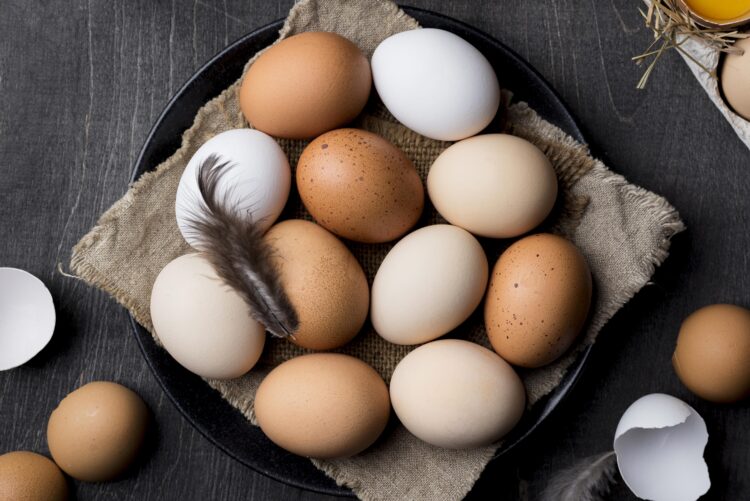
In today’s conscientious consumer landscape, the demand for organic, ethically produced foods continues to rise. Among the many sought-after products, organic chicken eggs hold a special place, valued for their superior taste, nutritional benefits, and the assurance of sustainable, humane farming practices. However, in a competitive market, effectively marketing organic chicken eggs requires strategic planning, creative approaches, and a deep understanding of consumer preferences. In this comprehensive guide, we’ll explore key strategies for successfully marketing organic chicken eggs and capturing the attention of discerning consumers.
- Emphasize the Organic Difference
One of the most significant selling points of organic chicken eggs is their organic certification, which guarantees adherence to strict standards for animal welfare, environmental sustainability, and the absence of synthetic chemicals in production. Emphasize the organic difference in your marketing efforts, highlighting the benefits of organic farming practices such as access to outdoor areas, organic feed, and natural health care methods. Use labels, packaging, and promotional materials to clearly communicate your organic certification and the values it represents to consumers.
- Showcase Quality and Freshness
Quality and freshness are paramount when it comes to organic chicken eggs. Ensure that your eggs are of the highest quality by maintaining strict standards for cleanliness, egg handling, and storage. Collect eggs promptly, clean them gently, and store them properly to preserve freshness and flavor. Showcase the quality of your eggs through transparent packaging, clear labeling, and visual cues such as vibrant yolks and sturdy shells. Offer tasting samples at farmers’ markets or local events to allow consumers to experience the superior taste and freshness of your eggs firsthand.
- Tell Your Story
Every farm has a unique story to tell, and sharing your farm’s story can help connect with consumers on a deeper level. Share the journey of your farm, highlighting your commitment to organic farming principles, animal welfare, and environmental stewardship. Use storytelling techniques in your marketing materials, website content, and social media posts to engage consumers and foster a sense of connection and trust. Invite consumers to visit your farm, participate in farm tours, or attend educational events to learn more about your farming practices and the story behind your eggs.
- Build Relationships with Retailers
Establishing strong relationships with retailers is essential for expanding your market reach and increasing sales of organic chicken eggs. Approach local grocery stores, co-ops, farmers’ markets, and specialty food stores to explore opportunities for partnership and distribution. Provide retailers with information about your farm, your organic certification, and the quality of your eggs to demonstrate your credibility and reliability as a supplier. Offer promotional deals, product displays, and educational materials to support retailers in promoting your eggs to their customers.
- Leverage Online and Social Media Platforms
In today’s digital age, online and social media platforms offer powerful tools for reaching and engaging consumers. Create a professional website for your farm, featuring information about your products, farming practices, and where to purchase your eggs. Use social media channels such as Facebook, Instagram, and Twitter to share updates, photos, and stories from your farm, and interact with your audience in real-time. Consider launching an online store or partnering with e-commerce platforms to sell your eggs directly to consumers nationwide.
- Participate in Farmers’ Markets and Community Events
Farmers’ markets and community events provide valuable opportunities for direct sales and face-to-face interactions with consumers. Participate in local farmers’ markets, food festivals, and community fairs to showcase your eggs, meet potential customers, and build relationships with the community. Set up an attractive booth or display featuring your eggs, farm signage, and promotional materials to attract attention and generate interest. Offer special promotions, product demonstrations, or cooking demos to engage consumers and encourage them to try your eggs.
- Educate and Empower Consumers
Empowering consumers with knowledge about the benefits of organic chicken eggs and organic farming practices can help drive demand and loyalty for your products. Educate consumers about the nutritional benefits of organic eggs, such as higher levels of omega-3 fatty acids, vitamins, and antioxidants compared to conventional eggs. Provide information about your farming practices, including access to outdoor areas, organic feed, and natural health care methods, to demonstrate your commitment to transparency and sustainability. Offer cooking tips, recipes, and egg-related educational content to inspire consumers to incorporate organic eggs into their diet.
- Seek Certification and Third-Party Verification
Certification and third-party verification can lend credibility and authenticity to your organic chicken eggs, helping to build trust and confidence among consumers. Seek organic certification from a reputable certifying agency such as the USDA Organic or a recognized third-party certification body. Display the organic certification logo prominently on your packaging and marketing materials to signal to consumers that your eggs meet rigorous organic standards. Consider additional certifications or labels such as Animal Welfare Approved or Certified Humane to further differentiate your products and appeal to conscious consumers.
Conclusion: Cracking the Code to Successful Organic Chicken Egg Marketing
In conclusion, successful marketing of organic chicken eggs requires a multifaceted approach that emphasizes the organic difference, showcases quality and freshness, tells your farm’s story, builds relationships with retailers, leverages online and social media platforms, participates in farmers’ markets and community events, educates and empowers consumers, and seeks certification and third-party verification. By implementing these strategies, organic chicken egg farmers can effectively differentiate their products in the market, connect with consumers, and ultimately drive demand and sales for their eggs. With a commitment to quality, transparency, and sustainability, organic chicken egg farmers can carve out a niche in the competitive food landscape and contribute to a healthier, more sustainable food system for all.

Written by
Ajay Kuriakose Jacobs
Chicken Farming
October 2, 2024
© Copyright 2026 Ajay Kuriakose Jacobs All Rights Reserved.
Archive
Frequently Read Topics


