













Introduction to Indian Cow Breeds: A Comprehensive Guide
Introduction to Indian Cow Breeds: A Comprehensive Guide
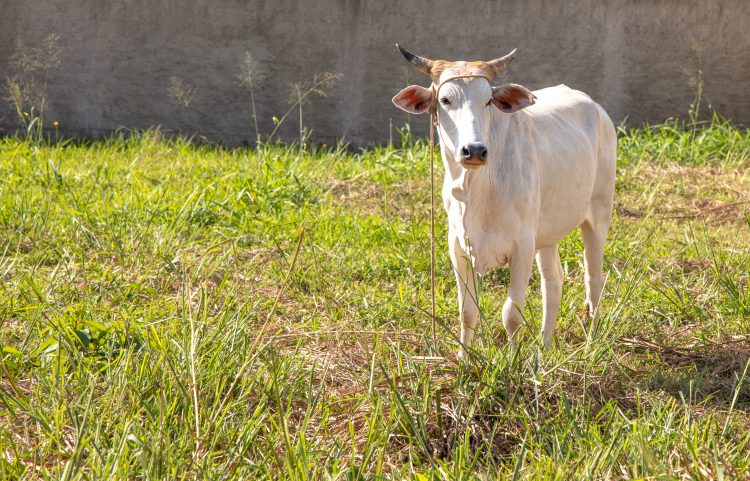
India, known as the land of diverse cultures and traditions, is also home to a rich variety of indigenous cow breeds. For centuries, these cattle have been an integral part of Indian agriculture, culture, and economy. From providing milk and dairy products to serving as symbols of religious significance, Indian cow breeds hold a special place in the hearts and lives of millions of people across the country. In this comprehensive guide, we delve into the fascinating world of Indian cow breeds, exploring their history, characteristics, cultural significance, and contributions to society.
Historical Context:
The history of Indian cow breeds dates back thousands of years, with evidence of domesticated cattle found in the Indus Valley Civilization, one of the world’s oldest urban civilizations. Over the centuries, various indigenous cattle breeds have evolved and adapted to the diverse climatic and geographical conditions of the Indian subcontinent.
Cattle have played a vital role in Indian agriculture, serving as draught animals for plowing fields, transporting goods, and providing manure for fertilizing crops. Additionally, cows hold religious significance in Hinduism, where they are revered as sacred animals and often symbolize purity, fertility, and abundance.
Diversity of Indian Cow Breeds:
India is home to a remarkable diversity of cow breeds, each with its own unique characteristics, adaptability, and utility. Some of the prominent Indian cow breeds include:
- Gir: Originating from the Gir forest region of Gujarat, the Gir breed is renowned for its sturdy build, high milk production, and resistance to tropical diseases. Known for its distinct reddish-brown color and prominent hump, the Gir cow is prized for its rich and creamy milk, which is ideal for making ghee and other dairy products.
- Sahiwal: Native to the Punjab region of India and Pakistan, the Sahiwal breed is prized for its high milk yield, heat tolerance, and disease resistance. With its distinctive red or reddish-brown coat and well-developed udder, the Sahiwal cow is valued for its nutritious milk, which is rich in protein and butterfat.
- Red Sindhi: Hailing from the Sindh region of Pakistan and parts of Gujarat and Rajasthan in India, the Red Sindhi breed is known for its adaptability to hot and humid climates, as well as its high milk production and fertility. Recognized for its distinctive red or reddish-brown coat and sleek, muscular build, the Red Sindhi cow is a popular choice for dairy farming in tropical regions.
- Deoni: Indigenous to the Deccan plateau of Maharashtra and Karnataka, the Deoni breed is prized for its dual-purpose capabilities, serving as both a milk and draught animal. Characterized by its distinctive white coat with black or brown patches and medium-sized horns, the Deoni cow is known for its hardiness, endurance, and adaptability to semi-arid environments.
- Tharparkar: Originating from the Tharparkar district of Sindh, Pakistan, and parts of Rajasthan in India, the Tharparkar breed is well-suited to arid and drought-prone regions. With its distinctive white coat, medium-sized frame, and docile temperament, the Tharparkar cow is valued for its milk production, fertility, and resilience to harsh environmental conditions.
6.Kankrej: Originating from the Kankrej region of Gujarat, the Kankrej breed is prized for its robustness, adaptability to arid environments, and draught capabilities. With its distinctive silver to grey coat, lyre-shaped horns, and muscular build, the Kankrej cow is well-suited to work in agriculture and transportation. While primarily used as a draught animal, Kankrej cows also produce milk with moderate fat content.
7.Ongole: Native to the Ongole region of Andhra Pradesh, the Ongole breed is renowned for its imposing stature, long and graceful horns, and resistance to tropical diseases. With its characteristic white to light grey coat and sleek, muscular build, the Ongole cow is prized for its draught capabilities, particularly in paddy cultivation. While not known for high milk production, Ongole cows are valued for their adaptability and hardiness.
8.Vechur: Hailing from the Vechur region of Kerala, the Vechur breed is one of the smallest cattle breeds in the world. Despite its diminutive size, the Vechur cow is known for its high milk yield relative to body size, as well as its ability to thrive on minimal feed and grazing land. With its distinctive red or brown coat and compact frame, the Vechur cow is well-suited to small-scale and backyard farming systems.
9.Amrit Mahal: Named after the Amrit Mahal Palace in Karnataka, the Amrit Mahal breed is renowned for its strength, endurance, and ability to thrive in semi-arid environments. Historically used as war animals by the Vijayanagara Empire, Amrit Mahal cows are known for their imposing stature, sturdy build, and long, curved horns. While primarily used as draught animals, Amrit Mahal cows also produce milk with moderate fat content.
10.Hallikar: Originating from the Hallikar region of Karnataka, the Hallikar breed is prized for its draught capabilities, endurance, and adaptability to hot and humid climates. With its sleek, black coat, long, lyre-shaped horns, and muscular build, the Hallikar cow is well-suited to work in agriculture and transportation. While not known for high milk production, Hallikar cows are valued for their strength and resilience.
11.Malnad Gidda: Indigenous to the Malnad region of Karnataka, the Malnad Gidda is a small-sized cattle breed known for its adaptability to hilly terrains and forested areas. With its compact frame, short legs, and agile demeanor, the Malnad Gidda cow is well-suited to grazing in rugged landscapes and is often used for dairy farming in smallholder and tribal communities. Despite its modest size, the Malnad Gidda produces milk with good fat content and is valued for its resilience and hardiness.
12.Khillar: Native to the Khillar region of Maharashtra, the Khillar breed is valued for its hardiness, disease resistance, and adaptability to semi-arid environments. With its compact frame, sturdy build, and distinctive white or light grey coat, the Khillar cow is well-suited to grazing in sparse vegetation and is often used for both milk and draught purposes. Despite its smaller size compared to some other Indian cow breeds, the Khillar cow is known for its efficient feed conversion and good milk yield.
13.Kherigarh: Originating from the Kherigarh region of Uttar Pradesh, the Kherigarh breed is known for its robustness, heat tolerance, and resistance to diseases such as foot-and-mouth disease. With its distinctive white or light grey coat and medium-sized frame, the Kherigarh cow is well-adapted to the hot and humid climate of the Gangetic plains. While primarily used for draught purposes, Kherigarh cows also produce milk with moderate fat content and are valued for their versatility and adaptability.
These are just a few examples of the diverse array of Indian cow breeds found across the country. Each breed has its own unique characteristics, adaptability, and cultural significance, contributing to the rich tapestry of India’s agricultural heritage.
Cultural Significance:
In addition to their economic and agricultural importance, Indian cow breeds hold significant cultural and religious value in Indian society. In Hinduism, cows are revered as sacred animals and are often associated with various deities, including Lord Krishna, who is depicted as a cowherd.
Cows play a central role in religious ceremonies, festivals, and rituals, where they are adorned with garlands, offered prayers, and honored with offerings of food and water. In many rural communities, cows are considered members of the family and are treated with love, respect, and care.
Furthermore, cow dung and cow urine are believed to have medicinal and purifying properties in Ayurvedic medicine, leading to their use in various traditional remedies and rituals. Cow dung is also used as a source of fuel for cooking, as well as a natural fertilizer for enriching soil and improving crop yields.
Contributions to Agriculture and Economy:
Indian cow breeds play a crucial role in sustaining the agricultural economy of the country. In addition to providing milk and dairy products for consumption, they serve as valuable draught animals for plowing fields, transporting goods, and performing various agricultural tasks.
Furthermore, Indian cow breeds contribute to the rural economy through the sale of surplus milk, dairy products, and calves. They also provide employment opportunities for millions of people involved in dairy farming, animal husbandry, and related industries.
Moreover, Indian cow breeds play a vital role in preserving biodiversity and genetic resources, as they are adapted to local climatic and environmental conditions. Their genetic diversity and resilience make them valuable assets for future breeding programs aimed at enhancing productivity, sustainability, and resilience in agriculture.
Conservation Challenges and Efforts:
Despite their cultural, economic, and ecological significance, Indian cow breeds face various challenges to their survival and conservation. Factors such as urbanization, industrialization, and changing agricultural practices have led to the decline in population numbers and genetic diversity of indigenous cattle breeds.
Furthermore, competition from exotic and crossbred cattle breeds, as well as the increasing demand for high-yielding dairy breeds, has put pressure on traditional Indian cow breeds, leading to their marginalization and displacement in certain regions.
To address these challenges, various government agencies, non-governmental organizations, and grassroots initiatives are working to promote the conservation and sustainable utilization of Indian cow breeds. Efforts include establishing breed registries, promoting breed improvement programs, conserving indigenous grazing lands, and raising awareness about the value of traditional cattle breeds.
Additionally, initiatives such as the National Kamdhenu Breeding Center and the Rashtriya Gokul Mission aim to promote the conservation and development of indigenous cattle breeds through scientific breeding, research, and capacity-building activities.
Conclusion:
In conclusion, Indian cow breeds represent a treasure trove of biodiversity, cultural heritage, and agricultural resilience. From the fertile plains of Punjab to the arid deserts of Rajasthan, these majestic animals have been an integral part of India’s agricultural landscape for centuries, providing sustenance, livelihoods, and spiritual nourishment to millions of people.
As guardians of India’s agricultural heritage, it is our collective responsibility to protect, preserve, and celebrate the diversity and richness of Indian cow breeds for future generations. Through sustainable management practices, conservation efforts, and community engagement, we can ensure that these magnificent animals continue to thrive and flourish, enriching the lives of people and landscapes across the country.

Written by
Ajay Kuriakose Jacobs
Dairy Farming
March 27, 2025
© Copyright 2026 Ajay Kuriakose Jacobs All Rights Reserved.
Archive
Frequently Read Topics


