














Mastering the Art of Hatching Turkey Eggs: A Comprehensive Guide to Success
Mastering the Art of Hatching Turkey Eggs: A Comprehensive Guide to Success
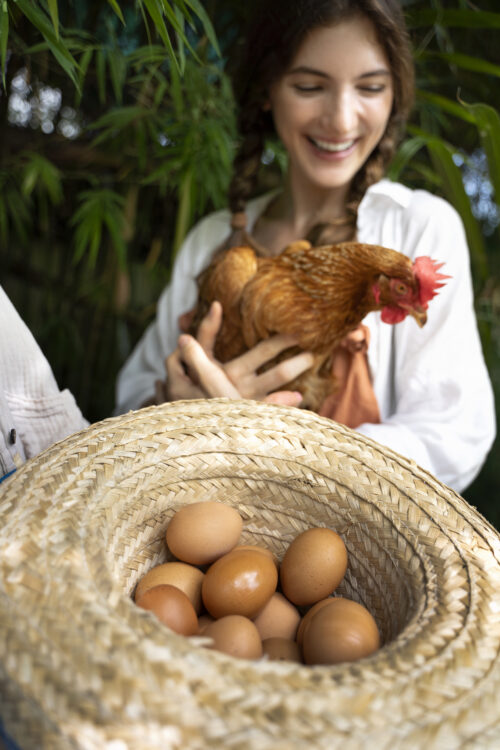
Hatching turkey eggs successfully is a rewarding and fulfilling endeavor that requires careful planning, attention to detail, and dedication. Whether you’re a seasoned poultry enthusiast or a novice breeder, understanding the intricacies of the hatching process is essential for achieving optimal hatch rates and producing healthy poults. In this comprehensive guide, we will explore the key steps, techniques, and best practices for hatching turkey eggs successfully, providing valuable insights and practical tips to help you embark on your hatchery journey with confidence.
- Selecting Quality Eggs:
The first step in hatching turkey eggs successfully is to start with high-quality eggs from healthy, disease-free breeding stock. Look for eggs that are clean, well-shaped, and free from cracks, deformities, or abnormalities. Avoid eggs with thin or porous shells, as they may be more prone to damage and contamination. Choose eggs from mature, sexually active hens and fertile toms to maximize the chances of successful fertilization and embryo development.
2.Egg Collection and Handling:
Once you’ve selected your eggs, handle them with care to minimize the risk of damage and contamination. Collect eggs promptly after they are laid, ideally within 24 hours, to ensure optimal freshness and viability. Avoid washing or cleaning eggs unless absolutely necessary, as this can remove the natural protective coating and increase the risk of microbial contamination. Store eggs in a clean, dry environment with consistent temperature and humidity levels until they are ready for incubation.
3.Setting Up the Incubator:
Before placing your eggs in the incubator, it’s essential to set up the incubation environment properly to create the ideal conditions for embryonic development. Choose a reliable and properly calibrated incubator with precise temperature and humidity controls. Follow the manufacturer’s instructions for setting up and operating the incubator, ensuring that temperature and humidity levels are stable and within the recommended range for turkey eggs (approximately 99.5°F and 50-60% relative humidity).
4.Egg Positioning and Turning:
Proper egg positioning and turning are critical for ensuring uniform embryonic development and preventing the adherence of the embryo to the inner membrane. Position eggs with the pointed end down and the blunt end up in the incubator, as this mimics the natural orientation of eggs in a nest. Turn eggs regularly, at least three to five times a day, to prevent the embryo from sticking to the shell membrane and promote even heat distribution. Use an automatic egg turner or turn eggs manually by hand, being careful not to jostle or disturb the eggs excessively.
5.Monitoring Temperature and Humidity:
Maintaining consistent temperature and humidity levels is essential for successful egg incubation and embryo development. Monitor temperature and humidity levels in the incubator regularly using calibrated thermometers and hygrometers, adjusting settings as needed to maintain optimal conditions. Avoid drastic temperature fluctuations or humidity fluctuations, as these can negatively impact embryo viability and hatchability. Keep the incubator clean and well-ventilated to prevent the buildup of excess moisture and humidity.
6.Candling and Monitoring Development:
Candling eggs is a vital step in monitoring embryo development and assessing egg viability throughout the incubation period. Candling involves shining a bright light through the eggshell to illuminate the interior and observe the developing embryo. Perform candling at regular intervals, starting around day 7-10 of incubation, to check for signs of fertility, embryo growth, and any abnormalities or defects. Remove any infertile or non-viable eggs promptly to prevent contamination and maintain optimal conditions for viable embryos.
7.Lockdown and Hatching:
As the hatch date approaches, prepare the incubator for lockdown by increasing humidity levels and ceasing egg turning. Lockdown typically begins around day 25-28 of incubation, depending on the breed and incubation conditions. Provide a clean, soft substrate such as hatch mats or towels in the hatching area to prevent newly hatched poults from slipping and injuring themselves. Monitor the incubator closely for signs of pipping, or the first cracks appearing in the eggshells, indicating that poults are preparing to hatch. Be patient and avoid interfering with the hatching process, allowing poults to hatch naturally at their own pace.
8.Caring for Newly Hatched Poults:
Once poults have hatched, carefully transfer them to a clean, warm brooder environment equipped with heat lamps, feeders, and waterers. Provide poults with access to fresh water and a high-quality starter feed formulated specifically for young turkeys. Monitor poults closely for signs of health issues such as dehydration, weakness, or lethargy, and address any concerns promptly to ensure their well-being. Continue to provide optimal care and nutrition to support the growth and development of your poults as they transition from hatchlings to juveniles.
Conclusion:
Hatching turkey eggs successfully requires patience, attention to detail, and a thorough understanding of the incubation process. By following the steps and best practices outlined in this guide, you can increase the likelihood of achieving high hatch rates and producing healthy, vibrant poults. From selecting quality eggs to providing optimal incubation conditions and caring for newly hatched poults, every aspect of the hatching process plays a crucial role in determining the success of your hatchery operation. With diligence, dedication, and a passion for poultry, you can embark on your hatchery journey with confidence, knowing that you’re equipped with the knowledge and skills needed to hatch turkey eggs successfully.

Written by
Ajay Kuriakose Jacobs
Turkey Farming
August 3, 2024
© Copyright 2026 Ajay Kuriakose Jacobs All Rights Reserved.
Archive
Frequently Read Topics


