













Managing Turkey Flocks: Optimizing Size, Structure, and Group Dynamics for Success
Managing Turkey Flocks: Optimizing Size, Structure, and Group Dynamics for Success
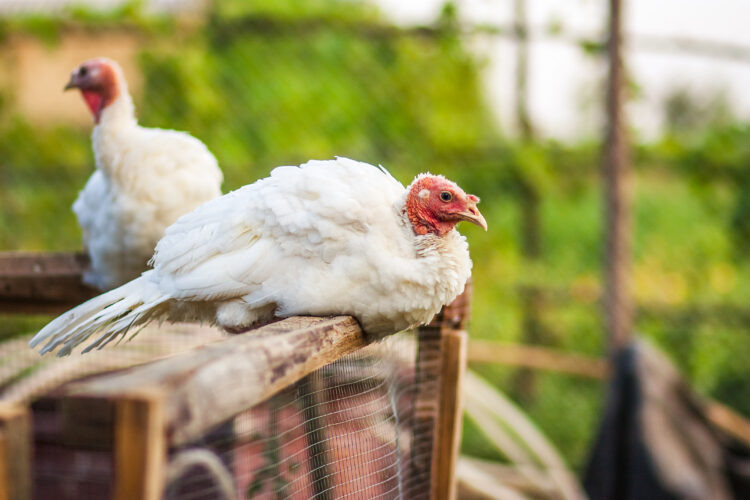
Managing turkey flocks requires a deep understanding of their social structures, behaviors, and environmental needs. Whether you’re a small-scale farmer or a commercial producer, optimizing the size, structure, and group dynamics of your turkey flock is essential for maximizing productivity, welfare, and profitability. In this comprehensive guide, we will explore the key principles, strategies, and best practices for effectively managing turkey flocks, from determining flock size and structure to fostering positive group dynamics and promoting overall flock health and performance.
- Determining Flock Size:
The optimal size of a turkey flock depends on various factors, including the production goals, available resources, and management capabilities of the farmer. When determining flock size, consider factors such as:
- Market demand: Assess the demand for turkey products in your region or target market to determine the appropriate scale of production.
- Production capacity: Evaluate the capacity of your facilities, equipment, and labor resources to support the desired flock size.
- Financial considerations: Calculate the costs and potential returns associated with different flock sizes to ensure profitability and sustainability.
- Management intensity: Consider the level of management and attention required to care for larger versus smaller flocks, including feeding, health monitoring, and disease control.
- Establishing Flock Structure:
Once you’ve determined the optimal flock size, it’s essential to establish a clear flock structure that promotes efficient management and optimal performance. Consider the following factors when structuring your turkey flock:
- Age and sex composition: Divide the flock into age groups and separate males (toms) from females (hens) to prevent unwanted breeding and maintain control over reproduction.
- Breeding program: Select breeding stock based on desired traits such as growth rate, meat quality, and disease resistance, and maintain separate breeding flocks to ensure genetic diversity and reproductive success.
- Production goals: Align the flock structure with your production goals, whether it’s meat production, egg production, or breeding stock production, to optimize efficiency and profitability.
2.Fostering Positive Group Dynamics:
Promoting positive group dynamics is essential for maintaining harmony, minimizing stress, and maximizing productivity within the turkey flock. Consider the following strategies for fostering positive group dynamics:
- Provide adequate space: Ensure sufficient space in housing facilities to prevent overcrowding and reduce aggression, competition, and stress among flock members.
- Manage social hierarchy: Monitor flock dynamics and intervene as needed to prevent bullying, aggression, and social strife within the flock. Provide multiple feeding and watering stations to reduce competition for resources.
- Minimize disturbances: Minimize disturbances and disruptions in the turkey environment, such as sudden noises, changes in lighting, or unfamiliar objects, to reduce stress and promote a sense of security among flock members.
- Encourage natural behaviors: Provide opportunities for turkeys to engage in natural behaviors such as foraging, dust bathing, and roosting to promote physical and psychological well-being.
3.Monitoring Health and Performance:
Regular monitoring of health and performance indicators is essential for detecting and addressing issues promptly and maintaining the overall health and productivity of the turkey flock. Consider the following factors when monitoring flock health and performance:
- Disease surveillance: Implement a comprehensive disease surveillance program to monitor flock health, detect early signs of illness, and prevent the spread of infectious diseases.
- Growth and development: Monitor growth rates, feed consumption, and body condition scores to assess the overall health and development of flock members and identify any potential nutritional deficiencies or health problems.
- Reproductive success: Track egg production, fertility rates, and hatchability to evaluate the reproductive performance of breeding flocks and adjust breeding strategies as needed to improve fertility and hatch rates.
Conclusion:
Managing turkey flocks effectively requires careful planning, attention to detail, and a deep understanding of turkey behavior, physiology, and production systems. By optimizing flock size, structure, and group dynamics, farmers can create a productive and harmonious environment that promotes the health, welfare, and performance of their turkey flock. With proper management practices, proactive health monitoring, and a focus on fostering positive group dynamics, farmers can maximize the potential of their turkey operation and achieve long-term success in the poultry industry.
Previous Article
Breeding Dual-Purpose Chickens: Expert Tips for Selecting Stock
Written by
Ajay Kuriakose Jacobs
Turkey Farming
July 31, 2024
© Copyright 2026 Ajay Kuriakose Jacobs All Rights Reserved.
Archive
Frequently Read Topics


