
















Breeding Dual-Purpose Chickens: Expert Tips for Selecting Stock
Breeding Dual-Purpose Chickens: Expert Tips for Selecting Stock
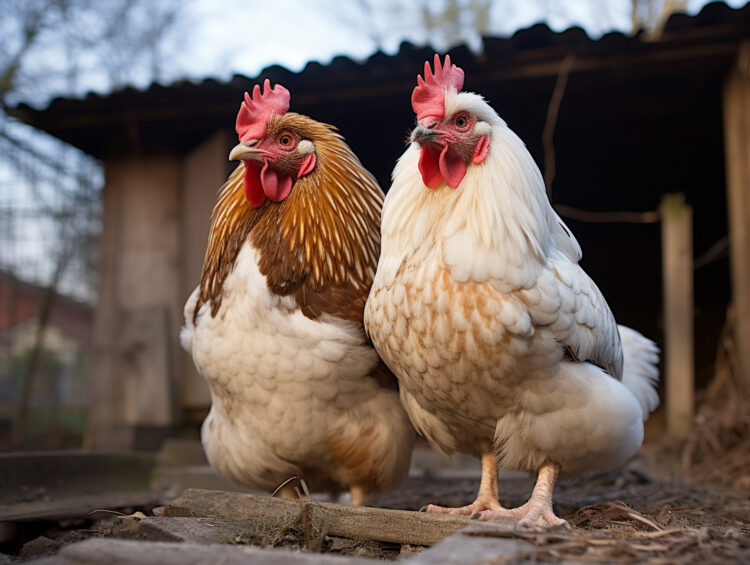
Breeding dual-purpose chickens is an art and science that requires careful consideration of various factors, including breed characteristics, genetic diversity, and breeding goals. Whether you’re a backyard enthusiast looking to improve your flock or a small-scale producer aiming to develop resilient and productive strains, selecting the right breeding stock is paramount to success. In this comprehensive guide, we’ll explore the essential tips and strategies for selecting superior dual-purpose chicken stock, empowering breeders to create healthy, vigorous, and high-performing flocks.
Understanding Dual-Purpose Chicken Breeds
Dual-purpose chicken breeds are renowned for their ability to excel in both meat and egg production, making them valuable assets for breeders seeking to optimize productivity and versatility. These breeds typically exhibit moderate egg-laying capacity, respectable meat quality, and a docile temperament, making them well-suited for various breeding programs, from backyard improvement projects to commercial breeding enterprises.
Establishing Breeding Goals
Before embarking on a breeding program, it’s essential to establish clear and achievable breeding goals that align with your objectives and priorities. Consider factors such as egg production, meat quality, temperament, plumage color, and adaptation to specific environmental conditions. By defining your breeding goals upfront, you can focus your selection criteria and breeding efforts on traits that are most important to you and your operation.
Selecting Superior Breeding Stock
- Health and Vitality: When selecting breeding stock, prioritize health, vigor, and overall vitality. Choose birds that exhibit robust physical attributes, including bright eyes, glossy feathers, strong legs, and active behavior. Avoid birds with signs of illness, deformities, or genetic abnormalities, as these traits can be passed on to future generations and compromise the health and performance of the flock.
- Conformation and Structure: Assess the conformation and structure of potential breeding stock, paying attention to body size, shape, and proportions. Select birds with well-balanced, proportionate bodies, straight backs, broad chests, and sturdy legs, as these traits are indicative of sound structural integrity and optimal meat production potential.
- Egg Production: For breeding dual-purpose chickens, prioritize egg-laying performance by selecting hens with consistent egg production, good shell quality, and desirable egg size. Look for birds from high-producing lines or strains known for their prolific egg-laying abilities, as these traits are heritable and can be passed on to offspring.
- Meat Quality: Evaluate the meat quality of potential breeding stock by assessing traits such as muscle development, meat texture, and flavor. Choose birds with well-developed breast muscles, firm and tender meat, and favorable taste characteristics. Consider conducting taste tests or cooking trials to assess the eating quality of the meat and identify superior individuals for breeding purposes.
- Temperament and Behavior: Select breeding stock with desirable temperament and behavior traits, such as docility, adaptability, and ease of handling. Avoid birds that exhibit aggressive or flighty behavior, as these traits can be challenging to manage and may lead to issues such as flock aggression or stress-related behaviors.
- Genetic Diversity: Maintain genetic diversity within your breeding program by incorporating birds from different bloodlines, strains, or breeds. Genetic diversity is essential for preserving resilience, disease resistance, and overall genetic health within the flock. Avoid excessive inbreeding or linebreeding, as these practices can lead to genetic disorders and reduced fertility.
Breeding Program Management
- Record Keeping: Keep detailed records of breeding pairs, matings, hatch rates, chick performance, and other relevant data to track the progress of your breeding program and make informed selection decisions. Record phenotypic traits, pedigree information, and any observed health or behavioral characteristics to inform future breeding decisions.
- Selective Breeding: Practice selective breeding by mating individuals that possess desirable traits and characteristics. Use a systematic approach to pair birds based on complementary traits, genetic diversity, and breeding goals. Monitor offspring performance and select the best-performing individuals for future breeding stock, gradually improving the overall quality of the flock over successive generations.
- Culling: Implement a rigorous culling program to remove birds that fail to meet breeding objectives or exhibit undesirable traits. Cull birds with poor health, low productivity, structural defects, or behavioral issues to maintain the integrity of the breeding program and prevent the propagation of undesirable traits.
- Breeding Strategies: Explore different breeding strategies, such as linebreeding, outcrossing, or crossbreeding, to achieve specific breeding goals or introduce desired traits into the flock. Experiment with different mating combinations and observe the performance of resulting offspring to fine-tune breeding strategies and optimize genetic progress.
Conclusion
Breeding dual-purpose chickens is a rewarding and challenging endeavor that requires careful planning, selection, and management. By following these expert tips for selecting superior breeding stock, breeders can establish resilient, productive, and genetically diverse flocks that excel in both meat and egg production. With a clear understanding of breeding goals, diligent selection practices, and ongoing management, breeders can contribute to the preservation and improvement of dual-purpose chicken breeds while supporting sustainable and self-reliant food production systems.

Written by
Ajay Kuriakose Jacobs
Turkey Farming
July 25, 2024
© Copyright 2025 Ajay Kuriakose Jacobs All Rights Reserved.
Archive
Frequently Read Topics


Subscribe to our Blogs
Feel better, get smarter, and LOL a little… every week.
Most Popular in Travel
-
 Ducks and Geese Farming
Beginner’s Guide to Duck and Geese Farming
-
 Dairy Farming
Introduction to Indian Cow Breeds: A Comprehensive Guide
-


