












The Canvas of Terroir: Exploring the Artistry in Wine Making
The Canvas of Terroir: Exploring the Artistry in Wine Making
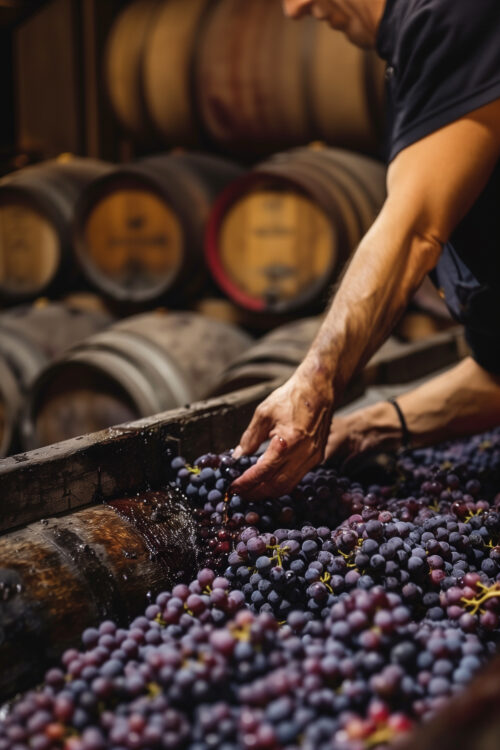
Wine, often revered for its sensory pleasures and nuanced flavors, is not only a libation but a canvas of creativity. Beyond the vineyards and barrels, the world of winemaking intersects with the realm of art, where vintners and artists collaborate to weave a tapestry of sensory experiences. From label design to vineyard aesthetics, and even the philosophy of winemaking itself, this article delves into the fascinating intersection of wine and art, exploring how the two crafts coalesce to create an immersive and expressive journey for both creators and consumers.
- Label Artistry: Where First Impressions Matter
The label on a wine bottle is often the first encounter a consumer has with a particular vintage, and winemakers recognize the significance of this visual introduction. Many wineries collaborate with artists to create label designs that encapsulate the essence of the wine within.
-
- Commissioned Artwork: Some wineries commission renowned artists to craft unique and bespoke label designs. These pieces of art not only adorn the bottles but also convey the winery’s identity, the story behind the wine, or even the winemaker’s vision for the vintage.
- In-House Creativity: In-house design teams at wineries also play a crucial role in label artistry. These teams work closely with winemakers to translate the characteristics of the wine into visual elements. The result is a marriage of design and oenology that captures the consumer’s attention and imagination.
- Storytelling Through Imagery: Labels become a medium for storytelling, where each swirl of color or choice of imagery represents the winery’s narrative. From pastoral landscapes reflecting the vineyard terroir to abstract expressions evoking the wine’s personality, label art becomes a visual preamble to the tasting experience.
- Interactive Labels: With advancements in technology, some wineries are incorporating augmented reality or QR codes on their labels, turning the bottle into an interactive canvas. Consumers can use smartphones to unlock digital content, such as videos, stories, or even virtual tours of the vineyard.
- Winery Architecture: Designing a Symphony of Spaces
The physical space where wine is produced, aged, and tasted is another dimension where artistry comes to life. Winery architecture is an art form that marries functionality with aesthetics, creating spaces that enhance the overall sensory experience for visitors.
-
- Iconic Designs: Iconic winery designs, often created by renowned architects, have become landmarks in the world of wine. From the avant-garde curves of Bodegas Ysios in Spain to the subterranean elegance of Opus One Winery in Napa Valley, architecture becomes a sculptural expression of the winery’s identity.
- Integration with Nature: Many wineries prioritize the integration of their structures with the natural landscape. Whether nestled into hillsides or surrounded by vineyards, these architectural masterpieces harmonize with the environment, offering visitors a holistic experience that extends beyond the tasting room.
- Art Installations: Some wineries feature on-site art installations that serve as both aesthetic embellishments and thought-provoking expressions. Sculptures, murals, and installations add a layer of cultural richness to the winery experience, inviting visitors to engage with art while enjoying their favorite wines.
- Tasting Room Aesthetics: The tasting room itself is a canvas for design, where elements such as lighting, furniture, and layout contribute to the overall ambiance. Whether rustic and cozy or sleek and modern, tasting rooms are curated spaces that enhance the enjoyment of the wines they showcase.
3.Wine and Culinary Pairing: Fusion of Flavors and Artistry
The intersection of wine and culinary arts is a well-established domain, where chefs and winemakers collaborate to create pairings that elevate the dining experience to a form of gastronomic art.
-
- Flavor Harmony: Pairing wine with food is an art form that goes beyond mere matching. It involves a deep understanding of flavors, textures, and aromas, much like an artist choosing a palette of colors. The goal is to achieve harmony and balance that enhances both the wine and the dish.
- Visual Presentation: The artistry extends to the visual presentation of the dish and the wine. Chefs meticulously plate their creations to engage not only the palate but also the eyes. Winemakers, in turn, consider the color and clarity of their wines to complement the visual appeal of the meal.
- Collaborative Events: Wineries and restaurants often host collaborative events where wine and culinary arts come together in a curated experience. These events showcase the symbiotic relationship between the two crafts, emphasizing the shared passion for creativity and innovation.
- Wine and Art Dinners: Some establishments take the fusion of wine and art to the next level by hosting wine and art dinners. These events pair wines with curated artwork, creating a multi-sensory experience where visual and gustatory arts intertwine.
4.Wine and Literature: The Poetry of Tasting Notes
Tasting notes, the poetic descriptions of a wine’s aromas, flavors, and textures, are a unique form of literary artistry within the world of wine. Winemakers and critics often draw upon a rich tapestry of language to convey the nuanced experience of each vintage.
-
- Expressive Language: Tasting notes are an opportunity for winemakers to express their creativity through language. Descriptors like “velvety tannins,” “notes of blackberry and leather,” or “lingering finish” are carefully chosen to evoke a sensory journey for the reader.
- Narrative Identity: Winemakers may infuse their tasting notes with elements of storytelling, giving consumers insight into the narrative behind a particular vintage. This narrative identity adds depth to the wine, transforming it from a beverage into a character with a unique story.
- Literary Pairings: Some wineries collaborate with authors or poets to create literary pairings for their wines. This can involve commissioned works inspired by specific vintages or curated reading lists that enhance the thematic experience of a wine tasting.
- Wine and Book Clubs: Wine and book clubs have gained popularity, bringing together enthusiasts who appreciate the combined pleasures of literature and wine. These clubs curate selections that align with the themes and characteristics of specific wines, fostering a community of like-minded individuals.
5.Artistic Winemaking Techniques: Crafting Liquid Masterpieces
Winemaking itself is a form of artistic expression, where the choices made by the winemaker—from grape selection to fermentation methods—contribute to the creation of a liquid masterpiece.
-
- Blending as Art: The art of blending is a core aspect of winemaking, allowing vintners to create a harmonious composition from different grape varieties. Winemakers act as skilled composers, blending various components to achieve a balanced and nuanced final product.
- Barrel Artistry: The choice of barrels for aging wine is a crucial decision that impacts the flavor profile and texture. Winemakers may opt for oak barrels that impart specific aromas, such as vanilla or spice, contributing to the artistic evolution of the wine.
- Experimental Techniques: Some winemakers embrace experimental techniques, pushing the boundaries of tradition to create avant-garde wines. This might involve aging in unconventional vessels, experimenting with fermentation processes, or introducing unique yeasts for fermentation.
- Natural Wine Movement: The natural wine movement, characterized by minimal intervention and the use of indigenous yeasts, is a testament to winemakers seeking to express the truest representation of the grape and terroir. This approach aligns with the ethos of authenticity and simplicity found in various art forms.
6.Wine and Music: Harmonizing the Senses
The harmony between wine and music is a sensory journey that engages both auditory and gustatory senses. Winemakers and sommeliers often curate experiences where wine is paired not with food, but with music.
-
- Sonic Enhancements: Some wineries experiment with playing specific genres or styles of music in the vineyards or cellars during the winemaking process. The belief is that the vibrations and energy from the music can influence the development and character of the wine.
- Music Pairing Events: Wine and music pairing events have become popular, where a selection of wines is presented alongside curated playlists or live musical performances. The goal is to enhance the tasting experience by creating synergies between the flavors of the wine and the mood set by the music.
- Multi-Sensory Tasting Rooms: Innovative wineries are designing multi-sensory tasting rooms where visitors can enjoy wines while listening to specially curated playlists. This immersive experience aims to demonstrate how the auditory environment can influence the perception of wine.
- Cross-Industry Collaborations: Collaborations between winemakers and musicians have resulted in limited-edition releases that celebrate the fusion of both art forms. These partnerships often include exclusive wine releases inspired by the artist’s work or performances held at the winery.
7.Artistic Events and Wine Festivals: A Fusion of Culture
Wine festivals and cultural events provide a platform for the convergence of wine and various art forms. From live performances to interactive installations, these gatherings celebrate the rich tapestry of artistic expression.
-
- Wine and Arts Festivals: Some regions host wine and arts festivals that bring together local wineries, artists, and performers. These events showcase the vibrant cultural scene of the area, allowing attendees to immerse themselves in both wine and various forms of artistic expression.
- Art Exhibitions at Wineries: Wineries, particularly those with expansive estates, may host art exhibitions on their premises. Visitors can wander through vineyards and cellars while enjoying curated displays of paintings, sculptures, or installations, creating a dynamic synergy between nature, wine, and art.
- Performance Arts and Wine: Wine festivals often feature live performances, such as theater, dance, or music. The combination of performance arts with wine tasting creates an atmosphere where the senses are engaged on multiple levels, offering a holistic experience.
- Literary Readings and Poetry: Some wine events include literary readings or poetry sessions that complement the tasting experience. Wineries may invite authors to read passages inspired by wine, creating a literary connection to the sensory exploration of the wines being poured.
Conclusion
In the intricate dance between wine and art, each bottle becomes a canvas, and each sip an expression. From label design to winery architecture, from literature to music, winemaking is a multi-faceted art form that engages the senses and transcends the boundaries of tradition. As creators push the envelope of innovation and collaboration, the intersection of wine and art continues to evolve, inviting enthusiasts on a journey that is as much about creativity and expression as it is about the pleasure of the palate.
As you raise your glass to savor the next pour, consider the artistry within. It’s not just a drink; it’s a manifestation of the vineyards, the hands that crafted it, and the stories waiting to be told. In this world where terroir meets canvas, every bottle becomes a masterpiece, and every tasting is an exploration of the artistry that resides in the heart of winemaking. Cheers to the harmonious fusion of wine and art, where the flavors dance on the tongue and the imagination soars with each sip.

Written by
Ajay Kuriakose Jacobs
Wine making
July 15, 2024
© Copyright 2026 Ajay Kuriakose Jacobs All Rights Reserved.
Archive
Frequently Read Topics


