














Empowering Innovation: The Crucial Role of Semiconductor Device Fabrication in Fostering Entrepreneurship
Empowering Innovation: The Crucial Role of Semiconductor Device Fabrication in Fostering Entrepreneurship
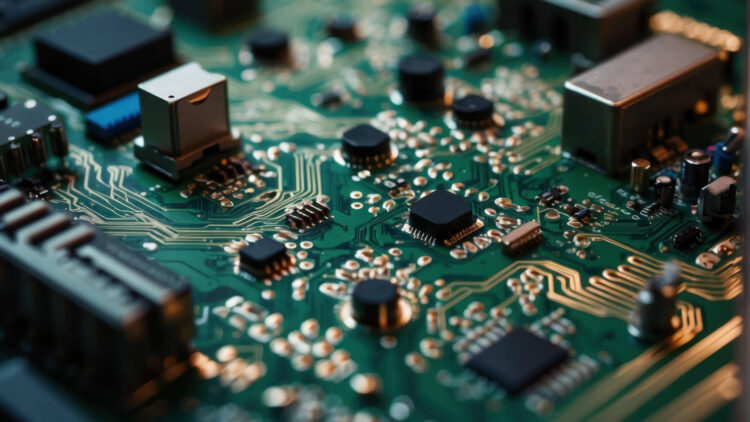
Semiconductor device fabrication serves as the foundation of modern technology, enabling the development of innovative electronic products that have transformed industries and reshaped our daily lives. From smartphones and laptops to medical devices and renewable energy systems, semiconductor devices form the backbone of the digital revolution. Beyond its technological significance, semiconductor device fabrication plays a pivotal role in fostering innovation and entrepreneurship worldwide. In this feature article, we explore how semiconductor device fabrication drives innovation and empowers entrepreneurs to create groundbreaking technologies and businesses.
Catalyzing Innovation through Semiconductor Device Fabrication:
- Enabling Technological Advancements:
Semiconductor device fabrication is the cornerstone of technological advancements, providing the building blocks for a wide range of electronic devices and systems. From microprocessors and memory chips to sensors and actuators, semiconductor devices enable innovations in computing, communication, healthcare, transportation, and beyond. The continuous miniaturization of semiconductor devices, driven by advancements in process technologies and design methodologies, has led to exponential improvements in performance, power efficiency, and functionality, unlocking new possibilities for innovation and entrepreneurship.
2.Facilitating Cross-Disciplinary Collaboration:
Semiconductor device fabrication fosters cross-disciplinary collaboration and convergence by bringing together experts from diverse fields, including materials science, electrical engineering, physics, and computer science. The interdisciplinary nature of semiconductor technology enables researchers, engineers, and entrepreneurs to explore synergies between different disciplines and apply insights from one field to solve problems in another. Collaborative research initiatives, industry-academia partnerships, and open innovation platforms facilitate knowledge sharing, technology transfer, and co-development of semiconductor solutions for emerging applications and markets.
3.Empowering Startups and Small Businesses:
Semiconductor device fabrication empowers startups and small businesses to innovate and disrupt established industries by providing access to advanced manufacturing capabilities, design tools, and intellectual property (IP) resources. Foundries, semiconductor fabs, and semiconductor service providers offer fabless semiconductor companies and startups the opportunity to prototype, manufacture, and commercialize semiconductor devices without the need for large upfront investments in fabrication facilities. Semiconductor design automation tools, EDA software, and IP libraries enable startups to accelerate product development, reduce time-to-market, and compete with industry incumbents on a level playing field.
4.Fueling Entrepreneurial Ecosystems:
Semiconductor device fabrication serves as a catalyst for entrepreneurial ecosystems, driving economic growth, job creation, and innovation in regions around the world. Clusters of semiconductor companies, research institutions, and supporting industries form vibrant ecosystems that attract talent, investment, and resources, fostering a culture of innovation and entrepreneurship. Entrepreneurial hubs such as Silicon Valley, Taiwan Semiconductor Manufacturing Company (TSMC) in Taiwan, and Hsinchu Science Park in Taiwan have emerged as hotbeds of semiconductor innovation, nurturing startups, spin-offs, and technology incubators that contribute to the global semiconductor ecosystem.
5.Empowering Emerging Technologies:
Semiconductor device fabrication empowers emerging technologies and disruptive innovations by providing the underlying infrastructure and enabling capabilities needed for their development and commercialization. Technologies such as artificial intelligence, Internet of Things (IoT), autonomous vehicles, and renewable energy rely on semiconductor devices for sensing, computing, connectivity, and control. Semiconductor fabs, foundries, and service providers play a critical role in scaling production, reducing costs, and accelerating adoption of emerging technologies, enabling startups and entrepreneurs to bring their ideas to market and drive societal impact.
Challenges and Opportunities for Entrepreneurship in Semiconductor Device Fabrication:
- High Capital Investment:
One of the primary challenges for entrepreneurs in semiconductor device fabrication is the high capital investment required to establish fabrication facilities or access foundry services. Building semiconductor fabs requires billions of dollars in upfront investment, making it prohibitive for startups and small businesses to enter the market. However, advances in fabless semiconductor design, outsourcing models, and shared manufacturing facilities offer alternative pathways for entrepreneurs to access semiconductor fabrication capabilities without the need for significant capital expenditure.
2.Complexity and Technical Expertise:
Semiconductor device fabrication is a highly complex and specialized field that requires expertise in materials science, process engineering, device physics, and manufacturing technologies. Entrepreneurs entering the semiconductor industry must possess the technical knowledge and skills necessary to navigate the intricacies of semiconductor design, fabrication, and testing. Collaborating with experienced partners, hiring skilled talent, and leveraging external resources, such as design services and consulting firms, can help entrepreneurs overcome technical challenges and accelerate product development.
3.Intellectual Property Protection:
Protecting intellectual property (IP) is a critical concern for entrepreneurs in semiconductor device fabrication, as innovations in semiconductor technology are often subject to intense competition and potential infringement. Semiconductor startups must implement robust IP protection strategies, including patents, trademarks, copyrights, and trade secrets, to safeguard their innovations and maintain a competitive advantage in the market. Collaborating with legal experts, IP attorneys, and technology licensing firms can help entrepreneurs navigate IP issues and establish a strong foundation for their business.
4.Global Competition and Market Dynamics:
The semiconductor industry is highly competitive and globalized, with established players and emerging competitors vying for market share and technological leadership. Entrepreneurs entering the semiconductor market face competition from incumbent semiconductor companies, multinational corporations, and emerging players in emerging markets. Understanding market dynamics, customer needs, and industry trends is essential for entrepreneurs to identify niche opportunities, differentiate their products, and gain a foothold in the market. Collaborating with strategic partners, distributors, and channel partners can help entrepreneurs penetrate new markets and expand their customer base.
Conclusion:
Semiconductor device fabrication plays a pivotal role in promoting innovation and entrepreneurship by enabling technological advancements, fostering collaboration, empowering startups, and fueling entrepreneurial ecosystems worldwide. Despite the challenges and complexities inherent in semiconductor device fabrication, entrepreneurs have access to unprecedented opportunities to innovate, disrupt, and create transformative technologies that address global challenges and drive economic growth. By leveraging advanced manufacturing capabilities, design tools, and ecosystem resources, entrepreneurs can navigate the semiconductor landscape, seize market opportunities, and realize their vision of building the next generation of semiconductor solutions that shape the future of technology and society.

Written by
Ajay Kuriakose Jacobs
Semiconductor Device Fabrication
April 24, 2024
© Copyright 2026 Ajay Kuriakose Jacobs All Rights Reserved.
Archive
Frequently Read Topics


