














From Farm to Table: Understanding Goat Meat Production
From Farm to Table: Understanding Goat Meat Production
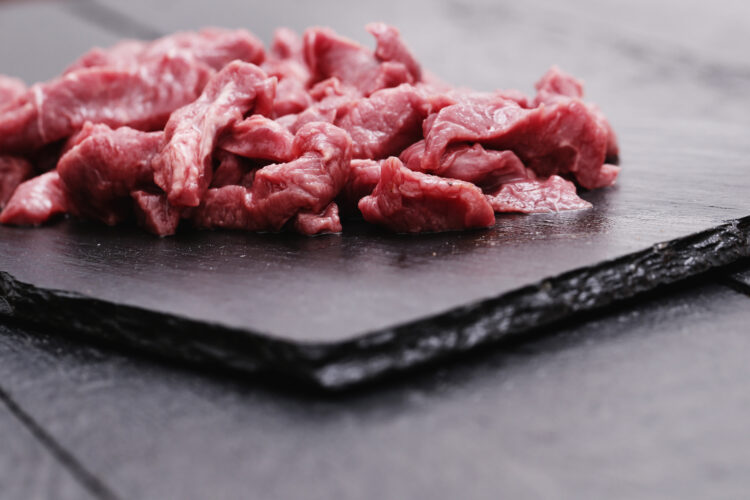
In recent years, goat meat, also known as chevon or mutton, has gained popularity worldwide due to its excellent taste, nutritional benefits, and versatility in culinary applications. As consumers increasingly seek healthier and sustainable protein sources, goat meat has emerged as a promising option. In this comprehensive feature article, we will delve into the journey of goat meat production, from farm to table, exploring the various stages involved, key considerations for farmers, and the culinary appeal of this flavorful meat.
- Understanding Goat Farming:
Goat farming, also known as caprine husbandry, is the backbone of goat meat production. Farmers raise goats in various settings, including extensive pasture-based systems, semi-intensive systems, and intensive confinement operations. The choice of farming system depends on factors such as climate, available resources, market demand, and production goals.
- Breeds: Numerous goat breeds are raised for meat production globally, each with its unique characteristics in terms of size, growth rate, carcass quality, and adaptability to different environments. Popular meat goat breeds include Boer, Kiko, Spanish, and Savanna, known for their superior meat quality and fast growth rates.
- Nutrition and Management: Proper nutrition and management practices are essential for ensuring the health, growth, and productivity of meat goats. Farmers provide a balanced diet consisting of pasture, hay, grains, and supplements to meet the nutritional requirements of growing and breeding goats. Adequate housing, sanitation, and disease prevention measures are also critical for maintaining herd health.
- Reproduction and Breeding: Successful meat goat production relies on effective breeding programs aimed at optimizing reproduction rates and genetic traits. Farmers employ various breeding methods, including natural mating, artificial insemination, and selective breeding, to improve meat quality, growth performance, and other desirable traits in their herds.
2.On-farm Practices:
- Grazing and Foraging: Many meat goat operations utilize pasture-based systems, allowing goats to graze on a diverse range of vegetation, including grasses, shrubs, and browse. Grazing provides goats with exercise, fresh forage, and essential nutrients, contributing to their overall health and well-being.
- Health Management: Preventative healthcare measures are crucial for minimizing disease risks and maintaining herd health. Farmers implement vaccination programs, parasite control strategies, and routine health monitoring to prevent common ailments and ensure the welfare of their goats.
- Husbandry Practices: Proper handling, care, and management practices are essential for promoting animal welfare and minimizing stress in meat goat operations. Farmers provide clean water, shelter from extreme weather conditions, and regular veterinary care to support the health and comfort of their animals.
3.Slaughter and Processing:
- Slaughter Facilities: The humane and ethical slaughter of goats is a critical aspect of meat production. Slaughter facilities must comply with regulatory requirements for animal welfare, food safety, and sanitation. Many small-scale and large-scale processors offer custom slaughter and processing services for meat goat producers.
- Carcass Processing: After slaughter, goat carcasses undergo processing to prepare them for consumption. This may include evisceration, skinning, and butchering into various cuts such as chops, roasts, and ground meat. Proper handling and storage practices are essential for maintaining meat quality and safety during processing.
- Value-Added Products: In addition to fresh cuts of meat, goat processors may produce value-added products such as sausages, jerky, and ready-to-eat meals to cater to diverse consumer preferences and culinary trends.
4.Culinary Appeal:
- Flavor and Texture: Goat meat is prized for its distinctive flavor, which is often described as mild, sweet, and savory, with a slightly gamey undertone. The meat has a tender texture and is leaner than other red meats, making it suitable for a wide range of cooking methods, including grilling, braising, and roasting.
- Nutritional Benefits: Goat meat is a nutrient-dense protein source, rich in essential vitamins and minerals such as iron, zinc, and vitamin B12. It is lower in fat and cholesterol compared to beef and lamb, making it a healthier option for consumers seeking lean protein alternatives.
- Culinary Versatility: Goat meat lends itself well to a variety of global cuisines, from traditional Middle Eastern dishes like biryani and kebabs to Caribbean stews and Mediterranean grills. Its versatility in flavor and texture makes it a favorite ingredient among chefs and home cooks alike.
Conclusion:
From the farm to the table, the journey of goat meat production involves careful management, ethical practices, and attention to quality at every stage. By understanding the complexities of goat farming, on-farm practices, slaughter and processing, and the culinary appeal of goat meat, consumers can gain a deeper appreciation for this nutritious and flavorful protein source. As demand for sustainable and ethically produced foods continues to rise, goat meat stands out as a delicious and environmentally friendly option for discerning consumers worldwide.

Written by
Ajay Kuriakose Jacobs
Goat Farming
August 19, 2024
© Copyright 2026 Ajay Kuriakose Jacobs All Rights Reserved.
Archive
Frequently Read Topics


