














Harmony in the Garden: Harnessing the Power of Companion Planting to Enhance Flower Health and Ward Off Pests
Harmony in the Garden: Harnessing the Power of Companion Planting to Enhance Flower Health and Ward Off Pests
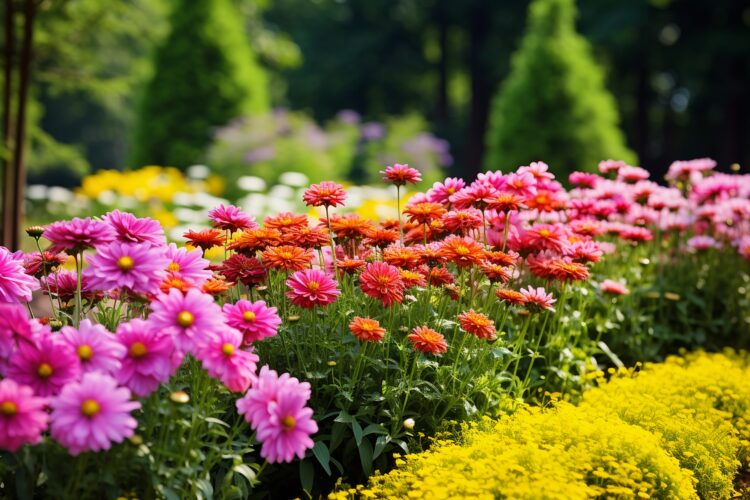
In the world of gardening, there exists a time-honored practice that harnesses the power of nature’s symbiotic relationships to create harmony and balance in the garden: companion planting. This ancient technique involves strategically planting different species of plants together to enhance growth, improve soil health, attract beneficial insects, and deter pests. When applied to flower gardening, companion planting offers a wealth of benefits, from boosting flower health and vigor to naturally controlling pests and diseases. In this comprehensive guide, we’ll explore the principles of companion planting and how you can use this time-tested strategy to create a flourishing and pest-resistant flower garden that delights the senses and nurtures the soul.
- Understanding Companion Planting
Companion planting is based on the idea that certain plants have mutually beneficial relationships when grown together. These relationships can take various forms, including nutrient sharing, pest deterrence, and habitat provision for beneficial insects. By carefully selecting companion plants and planting them in close proximity, gardeners can create a more resilient, biodiverse, and productive garden ecosystem. When it comes to flower gardening, companion planting can help improve flower health, increase bloom production, and reduce the need for chemical pesticides and fertilizers.
- Choosing Companion Plants for Flowers
When selecting companion plants for your flower garden, it’s essential to consider factors such as soil type, sunlight exposure, water requirements, and the specific needs of your flower species. Here are some companion planting strategies to consider for improving flower health and deterring pests:
- Attract Beneficial Insects: Many flowering plants attract beneficial insects such as ladybugs, lacewings, hoverflies, and parasitic wasps, which prey on common garden pests such as aphids, thrips, and caterpillars. Planting insectary plants such as dill, fennel, yarrow, and marigolds among your flowers can help attract these beneficial insects and create a natural pest control system in your garden.
- Repel Pests: Certain aromatic herbs and flowers have natural pest-repelling properties that can help deter common garden pests and protect your flowers from damage. Planting companion plants such as lavender, rosemary, chives, and nasturtiums among your flowers can help repel pests such as aphids, spider mites, and cabbage worms, reducing the need for chemical pesticides.
- Provide Nutrients: Some companion plants have deep roots or unique nutrient requirements that can help improve soil health and fertility, benefiting neighboring flowers. Planting nitrogen-fixing plants such as legumes (e.g., beans, peas) or nutrient accumulators such as comfrey and borage among your flowers can help enrich the soil with essential nutrients and support healthy growth and bloom production.
- Attract Pollinators: Many flowering plants rely on pollinators such as bees, butterflies, and hummingbirds to transfer pollen and facilitate reproduction. Planting companion plants that attract pollinators, such as bee balm, coneflower, salvia, and milkweed, among your flowers can help ensure successful pollination and increase fruit and seed set.
- Implementing Companion Planting in Your Flower Garden
Once you’ve selected companion plants for your flower garden, it’s time to implement companion planting strategies to maximize their benefits. Here are some tips for incorporating companion planting into your flower garden:
- Plan Your Garden Layout: Take time to plan your flower garden layout and determine where to plant companion plants based on their growth habits, space requirements, and compatibility with your flower species. Consider creating mixed planting beds, borders, or interplanted rows to maximize space and diversity in your garden.
- Plant in Groups: Plant companion plants in groups or clusters rather than scattering them randomly throughout the garden. This will create a more visually appealing display and make it easier for beneficial insects to locate and utilize them for shelter, food, and habitat.
- Rotate Companion Plants: Rotate companion plants each season to prevent the buildup of pests and diseases and maintain soil fertility and health. Avoid planting the same companion plants in the same location year after year, as this can lead to nutrient depletion and pest infestations.
- Monitor and Maintain: Regularly monitor your flower garden for signs of pests, diseases, and nutrient deficiencies, and take prompt action to address any issues that arise. Use organic pest control methods such as handpicking, spraying with insecticidal soap, or releasing beneficial insects to control pest populations and maintain a healthy garden ecosystem.
- Examples of Companion Planting Combinations for Flowers
To help you get started with companion planting in your flower garden, here are some examples of effective companion plant combinations:
- Roses and Marigolds: Planting marigolds around rose bushes can help deter aphids, thrips, and other pests that commonly affect roses. Marigolds also attract beneficial insects such as ladybugs and hoverflies, which prey on aphids and other pests.
- Sunflowers and Nasturtiums: Planting nasturtiums around sunflowers can help repel aphids, spider mites, and whiteflies, which are common pests of sunflowers. Nasturtiums also attract hoverflies and parasitic wasps, which prey on aphids and other pests.
- Lilies and Alliums: Planting alliums such as garlic, onions, or chives around lilies can help deter deer, rabbits, and other herbivores that may feed on lily foliage and flowers. Alliums also repel aphids, thrips, and other pests that can damage lilies.
- Delphiniums and Borage: Planting borage near delphiniums can help attract bees and other pollinators to the garden, increasing pollination and fruit set in both plants. Borage also accumulates potassium, calcium, and other nutrients in the soil, benefiting neighboring plants.
Conclusion: Cultivating Harmony and Balance in the Garden
In conclusion, companion planting offers a wealth of benefits for flower gardeners, from improving flower health and vigor to naturally controlling pests and diseases. By strategically selecting companion plants and planting them in close proximity to your flowers, you can create a more resilient, biodiverse, and productive garden ecosystem that thrives in harmony with nature. So embrace the principles of companion planting, experiment with different combinations of companion plants and flowers, and watch as your garden blossoms with beauty, vitality, and abundance, creating a haven for pollinators, beneficial insects, and gardeners alike.

Written by
Ajay Kuriakose Jacobs
Flower Cultivation
July 17, 2024
© Copyright 2026 Ajay Kuriakose Jacobs All Rights Reserved.
Archive
Frequently Read Topics


