














How to Start a Commercial Pig Farm: Step-by-Step Guide
How to Start a Commercial Pig Farm: Step-by-Step Guide
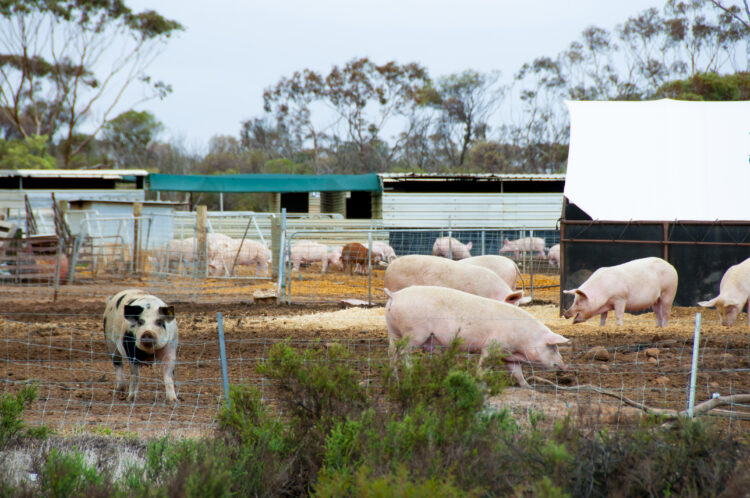
Starting a commercial pig farm can be a rewarding and profitable venture for aspiring farmers and entrepreneurs. With increasing demand for pork products globally and advancements in pig farming technologies, there are ample opportunities for individuals to enter the industry and establish successful pig farming operations. However, like any business endeavor, starting a commercial pig farm requires careful planning, investment, and dedication to ensure long-term success. In this comprehensive guide, we will provide a step-by-step overview of the process involved in starting a commercial pig farm, covering everything from initial planning and preparation to operational management and marketing strategies.
Step 1: Conduct Market Research and Feasibility Analysis
Before diving into pig farming, it’s essential to conduct thorough market research and feasibility analysis to assess the demand for pork products in your target market, identify potential competitors, and evaluate the economic viability of your venture. Consider factors such as consumer preferences, market trends, pricing dynamics, supply chain logistics, and regulatory requirements that may impact your business.
Step 2: Develop a Business Plan
Once you’ve identified a viable market opportunity, it’s time to develop a comprehensive business plan that outlines your goals, strategies, and financial projections for the pig farming venture. Your business plan should include:
- A description of your farm’s mission, vision, and values
- An analysis of the market and competitive landscape
- Details of your farm’s organizational structure and management team
- Information on your production systems, facilities, and equipment
- Financial projections, including startup costs, operating expenses, revenue forecasts, and break-even analysis
- Marketing and sales strategies for promoting your products and reaching target customers
- Risk management and contingency plans for addressing potential challenges or setbacks
A well-crafted business plan will serve as a roadmap for your pig farming operation and help secure financing from investors, lenders, or grant programs.
Step 3: Secure Financing
Starting a commercial pig farm requires significant upfront investment in land, infrastructure, equipment, livestock, feed, and operating expenses. Depending on the scale and scope of your operation, you may need to secure financing from various sources, such as:
- Traditional bank loans or lines of credit
- Government-backed loans or grants for agricultural development
- Private investors or venture capital firms
- Crowdfunding platforms or peer-to-peer lending networks
Prepare a detailed budget and financial plan based on your business plan to determine the amount of funding required and explore financing options that best suit your needs and circumstances.
Step 4: Acquire Land and Facilities
Next, you’ll need to acquire suitable land and facilities for your pig farming operation. Consider factors such as location, soil quality, drainage, accessibility, and zoning regulations when selecting a site for your farm. Ideally, your farm should be located in a rural area with ample space for expansion, good access to transportation networks, and proximity to feed suppliers, markets, and other resources.
Invest in infrastructure and facilities that are tailored to your production system and management practices, including:
- Pig housing structures such as barns, pens, or hoop houses
- Fencing and security measures to protect livestock from predators and theft
- Feed storage facilities to store bulk feed supplies and minimize waste
- Water supply systems, including wells, pumps, and watering troughs
- Waste management systems for handling manure, composting, and environmental protection
Ensure that your facilities comply with building codes, environmental regulations, and animal welfare standards to provide a safe, healthy, and sustainable environment for your pigs.
Step 5: Source Breeding Stock and Genetics
The success of your pig farming operation depends on the quality of your breeding stock and genetics. Invest in high-quality breeding animals from reputable suppliers or breeders who prioritize traits such as growth rate, feed efficiency, disease resistance, and carcass quality. Consider factors such as breed suitability for your production goals, climate adaptability, and market preferences when selecting breeding stock.
It’s essential to maintain genetic diversity and avoid inbreeding within your herd to prevent health issues and optimize production performance. Develop a breeding program that focuses on selecting superior animals for breeding, monitoring genetic traits, and continuously improving your herd’s genetics over time.
Step 6: Develop a Feeding Program and Nutrition Plan
Proper nutrition is critical for the health, growth, and productivity of your pigs. Develop a feeding program and nutrition plan based on the nutritional requirements of different pig stages, including gestation, lactation, weaning, growing, and finishing. Consult with a veterinarian or animal nutritionist to formulate balanced diets that meet your pigs’ energy, protein, vitamin, and mineral needs while optimizing feed efficiency and minimizing costs.
Consider using a combination of commercial pig feed, homegrown grains, forages, and supplements to provide a diverse and nutritious diet for your pigs. Implement feeding management practices such as feed rationing, feeding schedules, and monitoring feed consumption to ensure optimal growth performance and health outcomes.
Step 7: Implement Health and Disease Management Protocols
Maintaining herd health and preventing disease outbreaks is essential for the success of your pig farming operation. Implement comprehensive health and disease management protocols to minimize the risk of infectious diseases, parasites, and other health issues that can impact pig welfare and productivity. Key components of a health management program include:
- Vaccination schedules to protect pigs against common diseases such as swine fever, respiratory infections, and reproductive disorders
- Biosecurity measures to prevent the introduction and spread of diseases within your farm, including visitor restrictions, sanitation protocols, and quarantine procedures
- Parasite control strategies such as deworming, sanitation, and pasture management to minimize parasite infestations and improve pig health
- Regular health monitoring and veterinary care to detect and treat health problems early, prevent disease outbreaks, and optimize pig performance
Work closely with a veterinarian or animal health professional to develop and implement tailored health management protocols that address the specific needs and risks of your pig farming operation.
Step 8: Implement Breeding and Reproduction Management
Efficient breeding and reproduction management are essential for maintaining herd productivity and achieving desired production goals. Develop a breeding program that optimizes reproductive performance, litter size, fertility, and sow longevity while minimizing breeding-related challenges and expenses.
Key aspects of breeding and reproduction management include:
- Breeding management practices such as heat detection, mating, artificial insemination, and pregnancy diagnosis to maximize breeding success and litter size
- Sow and gilt management protocols for ensuring optimal health, nutrition, and housing conditions during gestation, farrowing, and lactation
- Farrowing management techniques such as farrowing crate use, piglet care, colostrum management, and neonatal health monitoring to reduce piglet mortality and improve survival rates
- Weaning strategies and protocols for transitioning piglets from sow milk to solid feed, minimizing stress, and promoting healthy growth and development
Implementing effective breeding and reproduction management practices will help optimize reproductive efficiency, increase litter sizes, and maximize the genetic potential of your pig herd.
Step 9: Implement Record Keeping and Data Management Systems
Effective record keeping and data management are essential for monitoring performance, tracking progress, and making informed management decisions on your pig farm. Develop a record-keeping system that captures key production data, financial information, health records, breeding records, and other relevant metrics.
Use digital tools and software solutions to streamline data collection, analysis, and reporting processes, enabling you to generate insights, identify trends, and evaluate performance indicators such as:
- Growth rates, feed conversion ratios, and weight gains
- Reproductive performance metrics such as farrowing rates, litter sizes, and weaning weights
- Health indicators such as disease incidence, mortality rates, and treatment outcomes
- Financial metrics such as revenue, expenses, profitability, and return on investment
Regularly review and analyze production data to identify areas for improvement, optimize management practices, and achieve your production goals.
Step 10: Develop a Marketing and Sales Strategy
Effective marketing and sales strategies are essential for promoting your pork products, reaching target customers, and maximizing profitability in the competitive marketplace. Develop a marketing plan that outlines your target market segments, positioning strategies, branding efforts, and promotional tactics for raising awareness and generating demand for your products.
Consider the following marketing and sales channels for selling your pork products:
- Direct sales to consumers through farm stands, farmers’ markets, community-supported agriculture (CSA) programs, and online sales platforms
- Wholesale distribution to local restaurants, grocery stores, butcher shops, and specialty food retailers
- Value-added products such as smoked meats, cured meats, sausages, and charcuterie for niche markets and gourmet food enthusiasts
- Collaborations and partnerships with chefs, food bloggers, influencers, and local food advocates to showcase your products and build brand awareness
Invest in branding, packaging, and labeling that communicates the quality, freshness, and uniqueness of your pork products and resonates with your target customers’ preferences and values.
Step 11: Monitor Performance and Continuous Improvement
Once your pig farm is up and running, it’s essential to monitor performance, track outcomes, and continuously improve your operations to adapt to changing market conditions, consumer preferences, and industry trends. Regularly assess key performance indicators, benchmark against industry standards, and solicit feedback from customers, suppliers, and stakeholders to identify areas for improvement and innovation.
Implement a culture of continuous improvement and learning within your farm team, encouraging collaboration, creativity, and problem-solving to address challenges and seize opportunities for growth and development. Stay informed about emerging technologies, best practices, and industry advancements in pig farming through networking, education, and professional development opportunities.
By adopting a proactive and adaptive approach to farm management, you can position your pig farming operation for long-term success and sustainability in the dynamic and competitive agricultural industry.
Conclusion
Starting a commercial pig farm is a complex and challenging endeavor that requires careful planning, investment, and management to achieve success. By following the step-by-step guide outlined in this article and leveraging industry best practices, aspiring pig farmers can navigate the complexities of starting a pig farming operation and build a profitable and sustainable business. From market research and business planning to production management and marketing strategies, each step in the process plays a critical role in laying the foundation for a successful pig farming venture. With dedication, innovation, and a commitment to excellence, aspiring pig farmers can realize their dreams of owning and operating a thriving commercial pig farm that contributes to food security, economic prosperity, and rural development.
Previous Article
Healthcare Essentials: Preventing Common Pig Diseases
Written by
Ajay Kuriakose Jacobs
Pig Farming
July 17, 2024
© Copyright 2026 Ajay Kuriakose Jacobs All Rights Reserved.
Archive
Frequently Read Topics


