














Innovative Technologies in Pig Farming: Revolutionizing Agriculture with Automation and AI
Innovative Technologies in Pig Farming: Revolutionizing Agriculture with Automation and AI
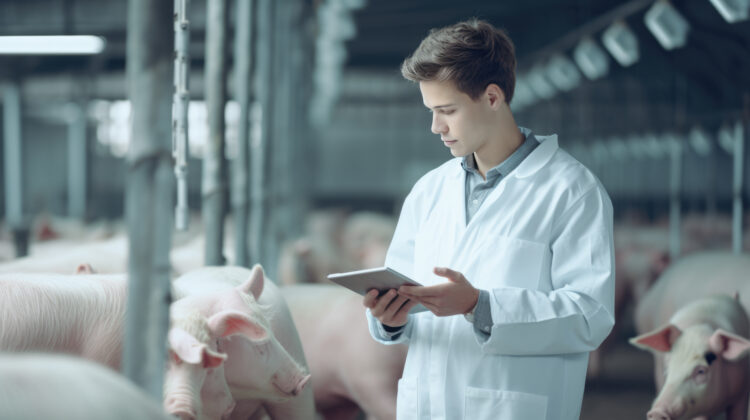
In recent years, the landscape of pig farming has undergone a remarkable transformation driven by advancements in technology. From automated feeding systems to artificial intelligence (AI) applications, innovative technologies are revolutionizing the way pigs are raised, managed, and monitored. In this comprehensive exploration, we delve into the exciting world of automation and AI in pig farming, uncovering the latest trends, benefits, challenges, and future prospects for these transformative technologies.
The Rise of Automation in Pig Farming
Automation has emerged as a game-changer in modern pig farming, offering unprecedented efficiency, precision, and productivity across various aspects of production. Automated systems leverage robotics, sensors, actuators, and digital controls to streamline tasks, optimize resource utilization, and enhance operational performance in pig farming operations. Here are some key areas where automation is making a significant impact:
- Automated Feeding Systems: Automated feeding systems utilize precision feeding technology to deliver precise amounts of feed to pigs based on their nutritional requirements, growth stage, and feed preferences. These systems incorporate sensors, feeders, conveyors, and control systems to automate feed delivery, minimize feed wastage, and optimize feed conversion efficiency. Automated feeding systems can be programmed to adjust feed rations, monitor feed consumption, and optimize feed formulations in real-time, improving overall feed efficiency and reducing labor requirements.
- Robotic Barn Management: Robotic barn management systems employ robotics and automation technology to perform a wide range of tasks, including cleaning, disinfection, ventilation control, temperature monitoring, and environmental management in pig housing facilities. These systems use sensors, cameras, actuators, and algorithms to automate routine barn maintenance tasks, optimize environmental conditions, and ensure optimal health and welfare for pigs. Robotic barn management systems can detect and respond to changes in temperature, humidity, air quality, and ammonia levels, enhancing pig comfort and productivity while reducing the need for manual intervention.
- Automated Health Monitoring: Automated health monitoring systems leverage sensors, cameras, and machine learning algorithms to monitor pig health status, detect early signs of disease, and provide real-time alerts to farmers. These systems can analyze pig behavior, movement patterns, feeding behavior, and physiological parameters to identify deviations from normal patterns indicative of health problems. Automated health monitoring systems enable early intervention, timely treatment, and proactive disease management, helping to reduce mortality rates, improve overall herd health, and minimize the spread of diseases in pig populations.
- Precision Livestock Farming: Precision livestock farming (PLF) utilizes sensor technology, data analytics, and AI algorithms to monitor, analyze, and optimize various aspects of pig production, including feeding, growth, reproduction, and environmental management. PLF systems collect data from sensors embedded in equipment, wearables, and environmental monitoring devices to track key performance indicators, identify trends, and make data-driven decisions to enhance productivity and efficiency. PLF enables precision management practices such as individualized feeding, targeted medication, and optimized resource allocation, leading to improved production outcomes and reduced environmental impact.
Unlocking the Potential of Artificial Intelligence
Artificial intelligence (AI) is revolutionizing pig farming by enabling advanced data analytics, predictive modeling, and decision support systems to optimize production processes, improve decision-making, and enhance farm management. AI applications in pig farming leverage machine learning, deep learning, computer vision, and natural language processing techniques to analyze large volumes of data, extract insights, and automate tasks in real-time. Here are some key areas where AI is driving innovation in pig farming:
- Predictive Analytics: AI-powered predictive analytics models use historical data, sensor inputs, and environmental parameters to forecast future trends, identify patterns, and anticipate changes in pig behavior, health, and performance. Predictive analytics can predict feed consumption, growth rates, reproductive cycles, disease outbreaks, and market trends, enabling farmers to make informed decisions, mitigate risks, and optimize resource allocation.
- Disease Diagnosis and Management: AI algorithms can analyze pig health data, diagnostic test results, and imaging scans to detect and diagnose diseases, infections, and health issues in pigs. AI-powered diagnostic tools can identify disease symptoms, classify diseases, and recommend appropriate treatments based on historical data, clinical guidelines, and expert knowledge. AI-enabled disease management systems enable early detection, rapid response, and targeted interventions to control disease outbreaks, reduce mortality rates, and protect herd health.
- Optimized Feed Formulation: AI algorithms can optimize feed formulations based on nutritional requirements, ingredient availability, cost constraints, and production goals. AI-powered feed formulation systems use mathematical optimization techniques, genetic algorithms, and predictive modeling to create customized feed recipes tailored to individual pig requirements, growth stages, and performance targets. Optimized feed formulations can improve feed efficiency, reduce feed costs, and enhance nutrient utilization in pig diets, leading to improved growth performance and profitability.
- Smart Decision Support Systems: AI-powered decision support systems provide farmers with actionable insights, recommendations, and predictions to support decision-making across various aspects of pig farming. These systems integrate data from multiple sources, including sensors, databases, weather forecasts, market prices, and expert knowledge, to generate personalized recommendations and decision scenarios. Smart decision support systems help farmers optimize production processes, manage risks, and adapt to changing conditions in real-time, improving efficiency, resilience, and profitability in pig farming operations.
Challenges and Considerations
While automation and AI offer tremendous potential to transform pig farming, there are several challenges and considerations that must be addressed to realize their full benefits:
- Costs and Investment: Implementing automation and AI technologies in pig farming requires significant upfront investment in equipment, infrastructure, software, and training. The initial costs of adoption may be prohibitive for small-scale farmers or those operating on tight budgets, requiring careful financial planning and evaluation of return on investment.
- Data Privacy and Security: Collecting, storing, and analyzing large volumes of data in pig farming raises concerns about data privacy, security, and confidentiality. Farmers must implement robust data management practices, encryption protocols, and access controls to protect sensitive information and comply with data protection regulations.
- Integration and Compatibility: Integrating automation and AI technologies into existing farm systems and workflows may pose challenges in terms of compatibility, interoperability, and system integration. Farmers must ensure that new technologies seamlessly integrate with existing equipment, software platforms, and management systems to avoid disruptions and maximize efficiency.
- Skills and Training: Harnessing the full potential of automation and AI technologies requires specialized skills, expertise, and training in areas such as data analytics, machine learning, robotics, and computer programming. Farmers and farm workers must undergo training and capacity building to effectively operate, maintain, and troubleshoot advanced technology systems in pig farming.
- Ethical and Social Implications: The widespread adoption of automation and AI technologies in pig farming raises ethical and social implications related to animal welfare, employment, and rural communities. Farmers must consider the ethical implications of automated systems on pig welfare, human labor displacement, and community well-being, and strive to address these concerns through responsible technology deployment and stakeholder engagement.
Future Directions and Opportunities
Looking ahead, the future of pig farming is poised for further innovation and transformation driven by automation and AI technologies. Emerging trends such as Internet of Things (IoT) connectivity, edge computing, blockchain, and 5G wireless networks are expected to revolutionize pig farming by enabling real-time data exchange, remote monitoring, and autonomous decision-making. As technology continues to evolve, pig farmers have an unprecedented opportunity to leverage automation and AI to optimize production processes, enhance animal welfare, and ensure the sustainability and profitability of pig farming operations for generations to come.
In conclusion, automation and AI technologies are reshaping the landscape of pig farming, offering unprecedented opportunities to improve efficiency, productivity, and sustainability in swine production. By embracing innovation, harnessing the power of data-driven insights, and adopting responsible technology deployment practices, pig farmers can unlock the full potential of automation and AI to revolutionize pig farming and pave the way for a brighter future in agriculture.
Previous Article
How to Start a Commercial Pig Farm: Step-by-Step Guide
Written by
Ajay Kuriakose Jacobs
Pig Farming
August 22, 2024
© Copyright 2026 Ajay Kuriakose Jacobs All Rights Reserved.
Archive
Frequently Read Topics


