













Arowanas: The Majestic and Powerful Fish – Tips for Keeping Them Healthy
Arowanas: The Majestic and Powerful Fish – Tips for Keeping Them Healthy
In the world of ornamental fishkeeping, few species evoke as much awe and admiration as the majestic Arowana. With their sleek bodies, iridescent scales, and fierce presence, Arowanas are often referred to as the “dragons of the freshwater aquarium.” These iconic fish, belonging to the family Osteoglossidae,have captured the fascination of aquarists for generations. In this in-depth feature, we’ll dive into the captivating world of Arowanas, exploring their unique characteristics, ideal care conditions, and the secrets to keeping these regal fish healthy and thriving.
Arowanas: Living Aquatic Legends
Arowanas have long been regarded as living legends, and their appeal extends beyond the realm of aquarists. Revered for their captivating beauty, ancient origins, and symbolic significance, Arowanas have become icons of the fishkeeping world. Here’s a glimpse into what makes them so extraordinary:
- Ancient Lineage
Arowanas belong to an ancient and primitive lineage of fish, with a history dating back over 100 million years. Their prehistoric origins are a testament to their remarkable resilience and adaptability.
- Scales of Fortune
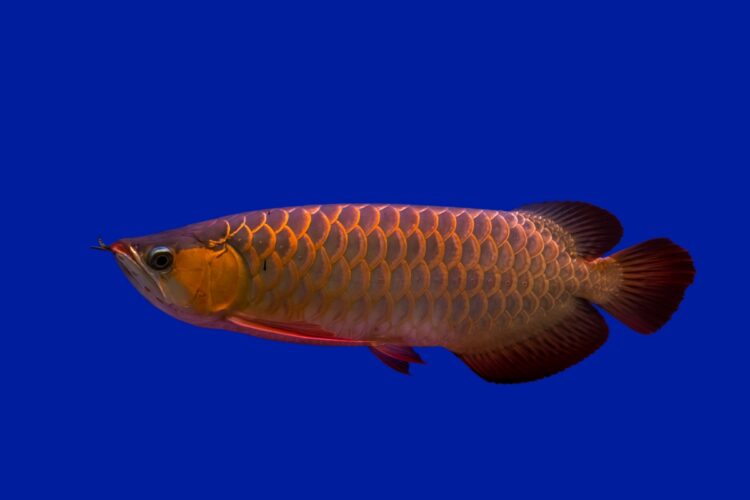
One of the defining features of Arowanas is their metallic, reflective scales. These scales shimmer and change color as the fish moves, creating an enchanting spectacle that adds to their mystique.
- Cultural Significance
Arowanas are revered in various cultures as symbols of good luck, prosperity, and protection. They are particularly esteemed in Asian societies, where they are believed to bring wealth and ward off negative energy.
- Aerial Predators
In the wild, Arowanas are known for their unique hunting technique. They leap out of the water to capture prey, a behavior that has earned them the nickname “water monkeys.”
Ideal Care Conditions for Arowanas
Arowanas are considered advanced-level aquarium fish due to their specific care requirements. To provide the best environment for these magnificent fish, you’ll need to pay close attention to several key factors:
Tank Size and Setup
Arowanas are large fish, and they require ample space to thrive. A tank of at least 180 gallons is recommended for adult Arowanas. The tank should be long and wide to accommodate their size. Arowanas are surface-dwelling fish, so the tank should be more extensive horizontally than vertically.
Water Parameters
Maintaining optimal water quality is crucial for Arowanas. Here are the key parameters to consider:
- Temperature: Keep the water temperature in the range of 75°F to 82°F (24°C to 28°C). Arowanas are sensitive to temperature fluctuations, so use a reliable heater and thermometer to ensure stability.
- pH Level: Aim for a slightly acidic to neutral pH, typically around 6.5 to 7.5.
- Water Hardness: Arowanas prefer soft to moderately hard water, with a general hardness (GH) of 4 to 10 dH.
Filtration and Aeration
Arowanas produce a significant amount of waste, so robust filtration is essential. A canister filter or a sump system can help maintain water quality. Additionally, provide strong but gentle water movement to ensure proper aeration.
Tank Decor
Arowanas appreciate a well-decorated tank with hiding spots, driftwood, and live or artificial plants. Subdued lighting and a dark substrate can bring out the best colors in your Arowana. Since they are surface-dwelling fish, leave plenty of open swimming space.
Cover the Tank
Arowanas are exceptional jumpers. To prevent them from leaping out of the tank, it’s essential to have a secure and tightly fitting lid or cover. The cover should allow for proper ventilation while ensuring the fish cannot escape.
The Right Diet for Arowanas
Arowanas are carnivorous predators with a voracious appetite. Providing a balanced and varied diet is vital to their health and vitality. Here’s what you need to know about feeding Arowanas:
Live Foods
In the wild, Arowanas primarily feed on live prey. In captivity, they readily accept live foods like feeder fish, crickets, and insects. However, it’s crucial to ensure that the live foods are disease-free and of appropriate size for your Arowana.
Pellets and Commercial Foods
High-quality Arowana pellets and commercial foods formulated for carnivorous fish are readily available. These foods provide essential nutrients and are more convenient than live foods. Ensure the pellets are appropriate in size for your fish’s mouth and offer a balance of protein and other nutrients.
Variety is Key
To keep your Arowana healthy and vibrant, offer a varied diet that includes a mix of live, frozen, and pellet foods. This variety helps meet their nutritional needs and keeps them engaged and active.
Feeding Frequency
Arowanas are typically fed once a day, and the amount should be sufficient for them to consume in a few minutes. Avoid overfeeding, as it can lead to obesity and water quality problems.
Understanding the Behavior of Arowanas
Arowanas are known for their captivating behavior, powerful swimming, and unique characteristics. To fully appreciate these majestic fish, it’s essential to understand their nature:
Surface-Dwelling Swimmers
Arowanas are surface-dwelling fish that spend much of their time near the water’s top. They are excellent jumpers, and this behavior is their way of hunting for insects and small animals in the wild.
Territorial Nature
Arowanas can be territorial, especially during breeding and when kept with other fish. Providing plenty of hiding spots and sufficient swimming space can help reduce territorial aggression.
Predatory Instincts
Arowanas are natural predators and may exhibit stalking and hunting behaviors, even in captivity. Avoid keeping them with small tank mates that they may perceive as prey.
Shy by Nature
Despite their majestic appearance, Arowanas can be shy and easily stressed. Sudden movements, loud noises, or excessive handling can disturb them. It’s essential to create a calm and serene environment for these fish.
Lifespan and Growth
Arowanas have a remarkable lifespan, often living for over 20 years when provided with proper care. They can grow quickly in the right conditions, with some species reaching up to three feet in length.
Arowana Communities: Tank Mates and Compatibility

While Arowanas can be kept with other fish, selecting suitable tank mates requires careful consideration. Their predatory nature and territorial behavior mean that not all fish are compatible. Here are some guidelines:
Tank Mates to Consider:
- Large and Non-Aggressive Fish: Select large fish that are peaceful and won’t harass the Arowana. Catfish species like Plecos and other large, calm fish can coexist.
- Fish of Similar Size: If you intend to keep multiple Arowanas, ensure they are roughly the same size to minimize aggression.
- Bottom-Dwelling Species: Consider bottom-dwelling fish like Bichirs, as they inhabit a different part of the tank and are less likely to come into direct competition with the Arowana.
Fish to Avoid:
- Small Fish: Arowanas may view smaller fish as prey and may chase or injure them.
- Aggressive Species: Avoid aggressive or territorial fish that may harass or compete with the Arowana.
- Schooling Fish: Schooling fish may stress Arowanas, as they tend to be solitary or prefer small groups.
Monitoring and Separation
Introducing new tank mates should be done gradually, and their interactions should be closely monitored. Separation using dividers or breeding boxes can help minimize aggression and allow fish to adapt to one another over time.
Secrets to Keeping Arowanas Healthy
To ensure the health and longevity of Arowanas, consider these essential care tips:
Regular Water Changes
Frequent water changes are essential to maintain water quality. Weekly or bi-weekly water changes of 20-30% of the tank volume help remove accumulated toxins and maintain stable water conditions.
Quarantine New Inhabitants
Before introducing new fish to the tank, quarantine them in a separate tank for a few weeks to ensure they are free of diseases. This practice prevents the spread of illnesses to the existing inhabitants.
Disease Awareness
Arowanas are sensitive to water quality, and poor conditions can lead to health issues. Be vigilant about common fish diseases and their symptoms. Early detection and treatment are essential to prevent disease outbreaks.
Temperature Stability
Maintain stable water temperature to avoid stressing the fish. Sudden temperature fluctuations can weaken their immune system and make them more susceptible to diseases.
Minimize Stressors
Minimize disturbances in the aquarium, such as loud noises, sudden movements, and excessive handling. Creating a tranquil environment helps reduce stress for Arowanas.
Arowanas, with their rich history and breathtaking diversity, have captured the hearts of aquarists and fish enthusiasts for centuries. These fish not only possess incredible beauty but also boast a profound cultural and historical significance. Let’s delve into the various varieties of Arowanas and explore their historical importance:
Arowana Varieties: A Visual Spectacle
Arowanas come in several distinct species and color variations, each with its own unique characteristics and appearances. Some of the most renowned Arowana varieties include:
- Silver Arowana (Osteoglossum bicirrhosum):
- Historical Significance: The Silver Arowana is one of the most iconic Arowana species. It’s native to South America and can be found in the Amazon River basin. Historically, it was revered by indigenous peoples for its fierce and majestic appearance.
- Characteristics: Silver Arowanas are known for their sleek silver bodies and scales. They have long, flowing fins and a formidable presence in the water.
- Asian Arowana (Scleropages spp.):
- Historical Significance: The Asian Arowana, often referred to as the “Dragon Fish,” has immense cultural and historical significance in Asia. It is believed to bring good luck, prosperity, and protection. In many Asian cultures, it is considered a symbol of wealth and prestige.
- Characteristics: Asian Arowanas are known for their striking scales, which come in a range of colors, including green, red, and gold. The specific coloration of an Asian Arowana is associated with its subspecies.
- Black Arowana (Osteoglossum ferreirai):
- Historical Significance: The Black Arowana, also known as the Black Arapaima, is a species native to the Amazon Basin. These fish have historically played an essential role in local indigenous communities for their sustenance and cultural rituals.
- Characteristics: Black Arowanas have deep black or dark gray coloration, which sets them apart from the more common Silver Arowana.
- Red Arowana (Scleropages formosus):
- Historical Significance: Red Arowanas, often referred to as “Blood Red Arowanas,” are highly coveted for their brilliant red scales. In Asian cultures, particularly Chinese, they are considered symbols of prosperity and good fortune.
- Characteristics: These Arowanas have a striking red coloration that intensifies as they mature. They are highly sought after in the aquarium trade.
- Jardini Arowana (Scleropages jardinii):
- Historical Significance: The Jardini Arowana is native to Northern Australia and New Guinea. In its natural habitat, it has cultural significance for indigenous populations. In the aquarium trade, it is known for its distinctive appearance.
- Characteristics: Jardini Arowanas have a unique combination of metallic scales with dark markings. They exhibit a pattern of horizontal stripes on their bodies.
- Pearl Arowana (Osteoglossum pearsei):
- Historical Significance: The Pearl Arowana is another South American species with a historical presence in the Amazon Basin. While not as well-known as some other varieties, it has cultural importance in its native region.
- Characteristics: Pearl Arowanas are known for their pearly white scales and subtle elegance. Their scales often have a shimmering quality.
Historical Significance and Cultural Relevance
Arowanas have been a part of human culture for centuries, and their cultural significance is particularly pronounced in Asia, where they are often associated with prosperity, luck, and even spiritual beliefs. Here’s a closer look at their historical and cultural importance:
Asian Arowanas:
- Feng Shui and Luck: In Chinese culture, owning an Asian Arowana is believed to bring good luck and wealth. It is considered a symbol of prosperity and abundance.
- Red and Gold: The colors red and gold are especially auspicious, as they symbolize energy, power, and wealth. Red Arowanas are highly valued for these traits.
- Protected Species: Due to their cultural significance, Asian Arowanas are protected by international trade regulations to prevent overfishing and poaching.
Indigenous Amazonian Cultures:
- Traditional Practices: In the Amazon Basin, the Arowana has been historically important for indigenous communities. They have been a source of sustenance, and various cultural rituals have centered around these fish.
- Spiritual Significance: Arowanas have been seen as spiritual beings, with stories and myths emphasizing their importance in the Amazonian cosmology.
Global Aquarists:
- Aquarium Enthusiasts: Arowanas are beloved by aquarium enthusiasts worldwide, not only for their beauty but also for their unique behaviors and striking appearances.
- Selective Breeding: Through careful and selective breeding, aquarists have developed new color variations and patterns, creating an array of visually stunning Arowana varieties.
Conservation Efforts and Future Prospects
As the demand for Arowanas in the aquarium trade has grown, so have concerns about their conservation. Many Arowana species are now protected, and efforts are in place to conserve their natural habitats and prevent overexploitation.
Conservation initiatives, captive breeding programs, and regulations on the international trade of Arowanas are helping to protect these iconic fish. This ensures that future generations will have the opportunity to admire the beauty and cultural significance of Arowanas, both in the wild and in aquariums.
The Enchanting World of Arowanas: A Final Word
Arowanas are more than just impressive inhabitants of aquariums; they are living legends, captivating in both appearance and behavior. Their symbolism, ancient lineage, and striking beauty make them a beloved choice among aquarists. As the keepers of Arowanas, we have the privilege of observing their daily interactions, witnessing their unique behaviors, and gaining a deeper appreciation for these majestic and powerful fish that grace our aquatic worlds. Cherishing these regal fish is not just a hobby; it’s a journey into the enchanting and mesmerizing world of Arowanas.

Written by
Ajay Kuriakose Jacobs
Aquarium Fish
February 26, 2024
© Copyright 2026 Ajay Kuriakose Jacobs All Rights Reserved.
Archive
Frequently Read Topics


