













Mastering Silkworm Production: A Comprehensive Guide for Small and Large-Scale Farming Operations
Mastering Silkworm Production: A Comprehensive Guide for Small and Large-Scale Farming Operations
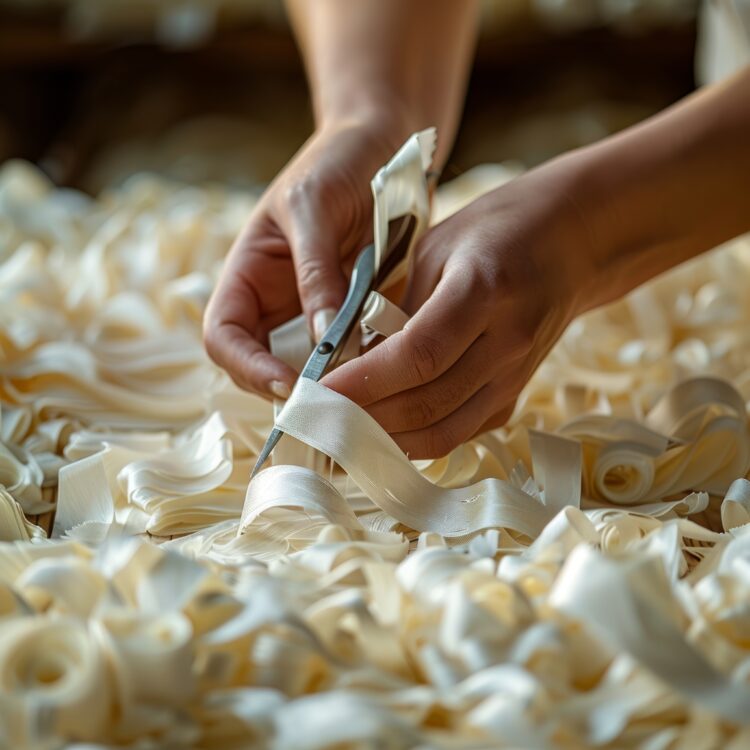
Silk, with its shimmering luster and luxurious feel, has been prized for centuries as one of the most coveted textiles in the world. Behind this exquisite fabric lies the humble silkworm, whose delicate and intricate lifecycle forms the cornerstone of sericulture—the art of silk production. Whether you’re a small-scale farmer looking to start your silkworm rearing venture or a large-scale operation seeking to optimize production, mastering the art of silkworm farming is essential for success. In this comprehensive guide, we will explore the fundamentals of managing silkworm production in both small and large-scale farming operations, from selecting silkworm breeds to harvesting silk cocoons and everything in between.
Understanding Silkworm Production
Silkworm production, also known as sericulture, involves the cultivation of silkworms for the purpose of producing silk—a natural protein fiber spun by the silkworm larvae to form their cocoons. The process of silkworm farming typically consists of several stages, including egg production, larval rearing, cocoon spinning, and silk harvesting. Whether you’re managing a small backyard setup or a commercial-scale operation, the principles of silkworm production remain the same, albeit with variations in scale, equipment, and management practices.
- Selecting Silkworm Breeds
The first step in managing silkworm production is selecting the appropriate silkworm breeds for your operation. Different breeds of silkworms exhibit varying characteristics, including silk quality, cocoon size, and disease resistance. Consider factors such as climate, local availability, and market demand when choosing silkworm breeds for your farm. Some popular silkworm breeds include:
- Bombyx mori: The domesticated silkworm species primarily used for silk production due to its high silk yield and quality.
- Tussah Silkworms: Wild or semi-domesticated silkworm species known for producing coarser silk with a natural tan or brown color.
- Eri Silkworms: Another domesticated silkworm species valued for its ability to produce silk without killing the larvae, making it suitable for ethical silk production.
- Establishing Rearing Facilities
Once you’ve selected your silkworm breeds, the next step is to establish suitable rearing facilities to accommodate the needs of your silkworm colonies. Whether you’re operating on a small or large scale, the key considerations for rearing facilities include:
- Temperature and Humidity Control: Maintain stable temperature and humidity levels within the rearing facility to ensure optimal conditions for silkworm growth and development. Use heating and cooling systems, as well as humidifiers and dehumidifiers, to regulate environmental conditions as needed.
- Ventilation: Ensure adequate ventilation to prevent the buildup of stale air and excess moisture, which can lead to mold growth and respiratory problems in silkworms. Use exhaust fans, vents, or windows to facilitate airflow while maintaining a draft-free environment.
- Space and Layout: Allocate sufficient space for silkworm rearing trays or shelves, ensuring adequate room for larvae to move and feed comfortably. Arrange rearing equipment in an organized and efficient layout to optimize workflow and accessibility for maintenance and monitoring.
- Managing Silkworm Colonies
Managing silkworm colonies involves overseeing various aspects of their lifecycle, including egg incubation, larval rearing, cocoon spinning, and pupation. Whether you’re rearing silkworms on a small or large scale, the following best practices apply:
- Egg Incubation: Incubate silkworm eggs in a controlled environment with stable temperature and humidity until they hatch into larvae. Use specialized incubators or egg trays lined with mulberry paper to support the eggs and prevent desiccation.
- Larval Rearing: Provide a steady supply of fresh mulberry leaves as the primary food source for silkworm larvae. Ensure that leaves are clean, free of pesticides, and harvested from healthy mulberry trees to prevent contamination and disease transmission. Monitor larval development and growth rates regularly, adjusting feeding schedules and leaf quantities as needed.
- Cocoon Spinning: As silkworm larvae mature, they begin spinning their cocoons—a process known as cocoon spinning. Provide suitable spinning frames or racks for silkworms to attach their cocoons, ensuring proper support and stability. Monitor spinning activity closely and handle cocoons with care to prevent damage or premature hatching.
- Pupation and Harvesting: After completing cocoon spinning, silkworm larvae enter the pupal stage, during which they undergo metamorphosis into adult moths. Allow cocoons to fully mature before harvesting, typically 3-4 weeks after cocoon spinning. Harvest cocoons carefully, avoiding excessive handling or disturbance to minimize damage to the silk fibers.
- Silk Processing and Marketing
Once cocoons are harvested, the next step is to process them to extract the raw silk fibers—a process known as reeling. Whether you’re processing silk on a small or large scale, the following steps are involved:
- Degumming: Remove the sericin—a natural protein coating—from the silk fibers through a process called degumming. This can be done using hot water or chemical treatments to dissolve the sericin and separate the raw silk fibers.
- Reeling: Reel the degummed silk fibers onto spools or bobbins using a silk reeling machine. This process involves unwinding the silk filament from the cocoon and winding it onto a spool in a continuous, uniform manner.
- Weaving or Knitting: Once the raw silk fibers are reeled, they can be further processed into finished textile products through weaving or knitting. Silk fabrics can be woven on traditional looms or knitted using modern knitting machines, depending on the desired texture, pattern, and application.
- Marketing and Distribution: Develop a marketing strategy to promote your silk products and reach potential customers. Consider selling silk products through online marketplaces, specialty boutiques, craft fairs, or silk-specific stores. Highlight the unique qualities of your silk products, such as their superior quality, craftsmanship, and ethical production practices, to attract discerning customers who value authenticity and sustainability.
- Pest and Disease Management
Effective pest and disease management are crucial for maintaining healthy silkworm colonies and maximizing silk production. Whether you’re managing a small backyard setup or a large commercial operation, consider the following strategies:
- Regular Monitoring: Conduct regular inspections of silkworm colonies to detect signs of pest infestations or disease outbreaks early. Look for symptoms such as abnormal behavior, discoloration, or visible damage to silkworms or their feeding substrate.
- Sanitation Practices: Maintain cleanliness and hygiene in the rearing facility to minimize the risk of pest infestations and disease transmission. Remove waste, debris, and leftover food promptly, and disinfect rearing equipment and surfaces regularly to prevent the buildup of pathogens.
- Natural Predators: Introduce natural predators such as predatory mites, parasitic wasps, or beneficial nematodes to control pest populations and reduce reliance on chemical pesticides. Implement integrated pest management (IPM) strategies to minimize environmental impact and preserve ecological balance.
- Disease Prevention: Practice preventive measures such as quarantine protocols, biosecurity measures, and sanitation practices to reduce the risk of disease transmission between silkworm colonies. Avoid overcrowding and stressors that weaken silkworms’ immune systems and make them more susceptible to infections.
- Scaling Up Production
For farmers looking to scale up silkworm production from a small-scale hobby to a larger commercial operation, careful planning and strategic investments are essential. Consider the following factors when expanding your silkworm farming operation:
- Infrastructure and Equipment: Invest in suitable infrastructure, equipment, and facilities to accommodate larger silkworm colonies and increased production volumes. Upgrade rearing facilities, storage areas, and processing equipment to improve efficiency and productivity.
- Workforce and Training: Hire additional staff or train existing personnel to handle the increased workload and responsibilities associated with larger-scale silkworm farming. Provide training in silkworm rearing techniques, disease management, and silk processing to ensure optimal performance and quality standards.
- Market Research and Strategy: Conduct market research to identify potential opportunities and demand for silk products in local, regional, or international markets. Develop a strategic marketing plan to promote your silk products and differentiate your brand from competitors.
- Sustainability and Ethics: Prioritize sustainability and ethical production practices as you scale up production, including responsible resource management, environmental stewardship, and fair labor practices. Consider certifications such as organic or fair trade to enhance the value proposition of your silk products and appeal to eco-conscious consumers.
Conclusion
In conclusion, managing silkworm production in both small and large-scale farming operations requires careful planning, attention to detail, and a commitment to quality and sustainability. Whether you’re rearing silkworms as a hobbyist or running a commercial sericulture business, following best practices in silkworm rearing, pest and disease management, silk processing, and marketing is essential for success. By investing in infrastructure, equipment, and training, and embracing innovative techniques and sustainable practices, farmers can optimize silk production, meet market demand, and contribute to the rich tradition of sericulture for generations to come.

Written by
Ajay Kuriakose Jacobs
Silkworm Farming
August 26, 2024
© Copyright 2026 Ajay Kuriakose Jacobs All Rights Reserved.
Archive
Frequently Read Topics


