














Ascend to Power: Mastering the Art of Upper Body Strength with Calisthenics
Mastering the Art of Upper Body Strength with Calisthenics
In the ever-evolving world of fitness, where innovation meets tradition, calisthenics stands out as a timeless and effective approach to building strength. When it comes to sculpting the upper body, calisthenics exercises reign supreme, offering a challenging and dynamic workout that leverages the body’s own weight for resistance. This article is your guide to mastering the art of upper body strength through calisthenics, exploring the best exercises that will redefine your fitness journey and elevate your strength to new heights.
- The Foundation: Mastering the Basics

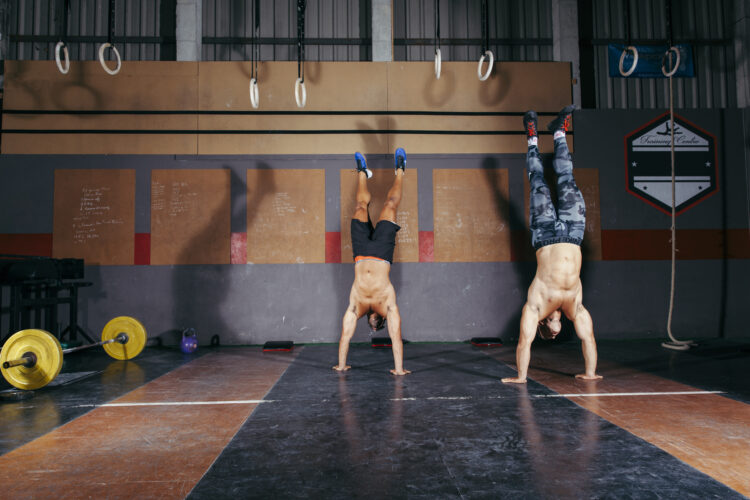
Before delving into the more advanced calisthenics exercises, it’s crucial to establish a strong foundation by mastering the basics. These foundational movements not only build essential strength but also lay the groundwork for more complex exercises.
- Push-Ups: The Cornerstone of Upper Body Strength
- Technique: Start in a plank position with hands slightly wider than shoulder-width apart. Lower your body until your chest almost touches the ground, then push back up to the starting position.
- Muscles Engaged: Chest, shoulders, triceps, core.
- Variations: Wide grip, narrow grip, decline push-ups.
- Pull-Ups: Commanding Back and Bicep Strength
- Technique: Hang from a horizontal bar with palms facing away. Pull your body upward until your chin clears the bar, then lower back down.
- Muscles Engaged: Latissimus dorsi, biceps, upper back.
- Variations: Chin-ups, wide grip pull-ups, commando pull-ups.
- Dips: Triceps and Chest Dynamo
- Technique: Position yourself between parallel bars. Lower your body by bending your elbows until your upper arms are parallel to the ground, then push back up.
- Muscles Engaged: Triceps, chest, shoulders.
- Variations: Ring dips, weighted dips, L-sit dips.2.Advancing the Journey: Intermediate Calisthenics Exercises

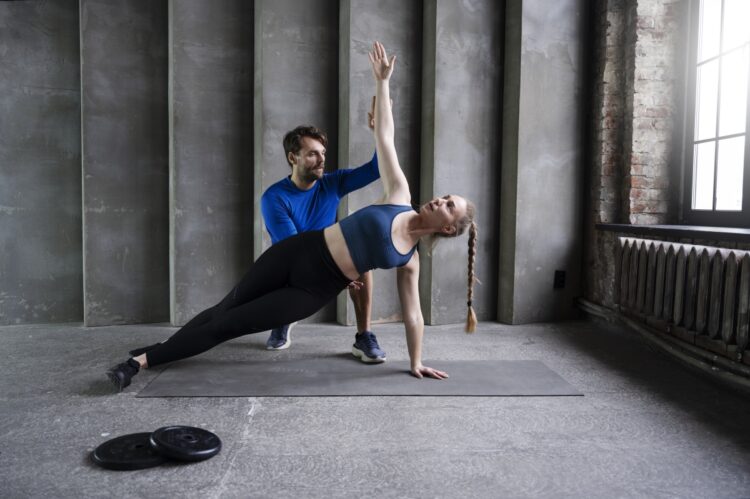
Once the basics are mastered, it’s time to advance to intermediate calisthenics exercises that intensify the challenge and target specific muscle groups with greater precision.
- Handstand Push-Ups: Defying Gravity for Shoulder Strength
- Technique: Start in a handstand position against a wall. Lower your body by bending your elbows until your head almost touches the ground, then push back up.
- Muscles Engaged: Shoulders, triceps, upper back.
- Progressions: Wall-assisted, freestanding, deficit handstand push-ups.
- Muscle-Ups: Fusion of Pull-Up and Dip Mastery
- Technique: Begin with a pull-up and transition into a dip at the top of the movement. Lower back down to the starting position.
- Muscles Engaged: Chest, triceps, biceps, lats.
- Progressions: False grip pull-ups, explosive pull-ups, slow muscle-ups.
- L-Sit: Core and Hip Flexor Challenge
- Technique: Sit on the ground with hands placed next to hips. Lift your body off the ground, extending legs in front of you, creating an “L” shape with your body.
- Muscles Engaged: Core, hip flexors, triceps.
- Progressions: Tuck L-sit, advanced L-sit on parallel bars.3.Mastering the Pinnacle: Advanced Upper Body Calisthenics Movements
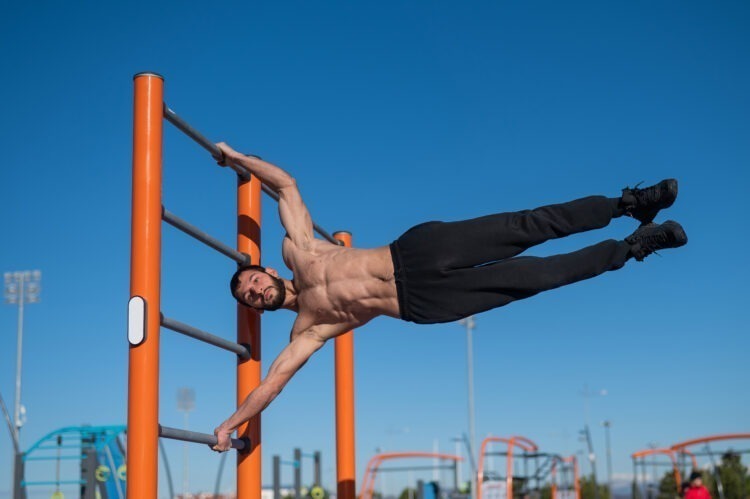
For those seeking the pinnacle of upper body strength through calisthenics, advanced exercises provide the ultimate challenge, demanding both physical prowess and mental fortitude.
- One-Arm Pull-Ups: Unilateral Mastery of the Vertical Pull
- Technique: Perform a pull-up using only one arm, gradually increasing the difficulty by using less assistance from the opposite arm.
- Muscles Engaged: Lats, biceps, upper back.
- Progressions: Assisted one-arm pull-ups, archer pull-ups.
- Planche: Defying Gravity with Full Body Tension
- Technique: Support your body horizontally on straight arms, keeping it parallel to the ground. The planche demands exceptional core and upper body strength.
- Muscles Engaged: Shoulders, chest, core, triceps.
- Progressions: Tuck planche, advanced tuck planche, straddle planche.
- Front Lever: Unleashing Full Body Control
- Technique: Hang from a bar and lift your body until it’s parallel to the ground, maintaining straight arms. The front lever requires a combination of back and core strength.
- Muscles Engaged: Lats, core, shoulders.
- Progressions: Tuck front lever, straddle front lever.4.Creating a Balanced Routine: Upper Body Calisthenics Workout Plans
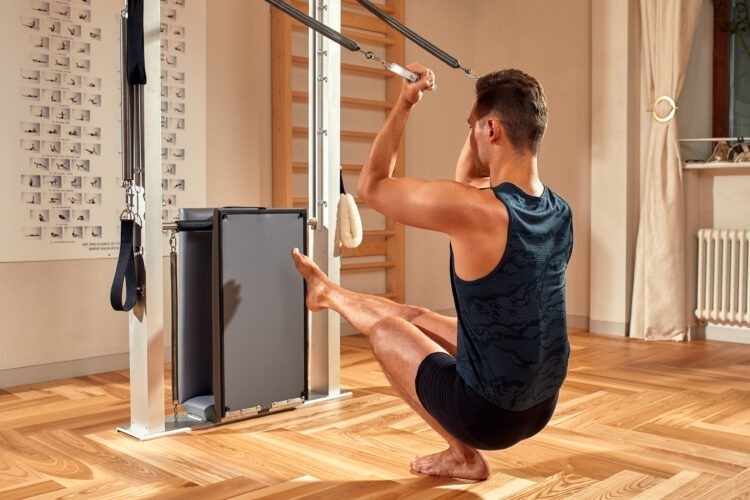
Now that you’re acquainted with a variety of calisthenics exercises, it’s essential to structure them into well-rounded workout plans. These routines ensure that you target all major muscle groups, promoting balanced upper body development and preventing muscular imbalances.
- Beginner Upper Body Routine (3 times a week):
- Push-Ups: 3 sets of 10-15 reps
- Pull-Ups: 3 sets of 8-12 reps
- Dips: 3 sets of 10-15 reps
- Intermediate Upper Body Routine (4 times a week):
- Handstand Push-Ups: 4 sets of 6-10 reps
- Muscle-Ups: 4 sets of 4-8 reps
- L-Sit: 3 sets, holding for 20-30 seconds
- Advanced Upper Body Routine (5 times a week):
- One-Arm Pull-Ups: 4 sets of 3-6 reps per arm
- Planche: 5 sets, holding for 10-20 seconds
- Front Lever: 4 sets, holding for 15-25 seconds
Remember to include proper warm-up and cool-down exercises in each session to enhance flexibility, reduce the risk of injury, and optimize overall performance.
5.The Art of Progression: Scaling Up Safely
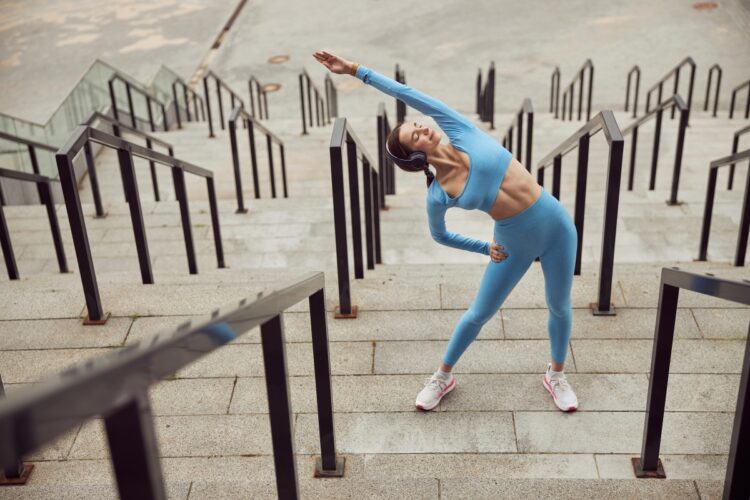
Progression is a fundamental principle in calisthenics. As you embark on your journey to upper body strength, the art of progression becomes your guiding force. Consistently challenge yourself by gradually increasing the difficulty of exercises, whether it’s through adding repetitions, changing hand placement, or exploring advanced variations.
- Incremental Changes: Increase the difficulty of exercises gradually. Small, incremental changes allow your body to adapt progressively, minimizing the risk of injury while maximizing strength gains.
- Mindful Repetitions: Focus on the quality of each repetition rather than quantity. Mindful movements ensure that the targeted muscles are fully engaged, promoting optimal strength development.
- Patience and Persistence: Building upper body strength through calisthenics is a journey that requires patience and persistence. Celebrate small victories along the way, and embrace the process of continuous improvement.6.Injury Prevention and Recovery: Prioritizing Well-Being
While the pursuit of upper body strength is exhilarating, it’s essential to prioritize injury prevention and recovery. Incorporate these practices into your routine to ensure sustained progress without compromising your well-being.
- Proper Form: Maintain proper form during each exercise to prevent strain on joints and muscles. Poor form can lead to imbalances and increase the risk of injury.
- Rest and Recovery: Allow adequate time for muscle recovery between sessions. Overtraining can lead to fatigue, decreased performance, and an increased risk of injury. Listen to your body and incorporate rest days into your routine.
- Mobility and Flexibility: Include mobility and flexibility exercises in your warm-up and cool-down routines. Enhancing joint mobility and flexibility contributes to improved performance and reduces the risk of injuries.
- Cross-Training: Supplement your calisthenics routine with cross-training activities to promote overall fitness. Activities like yoga, swimming, or cycling can provide a well-rounded approach to strength and well-being.7.Realizing the Benefits: Beyond Physical Strength
As you progress on your journey to upper body strength through calisthenics, it’s important to recognize the holistic benefits that extend beyond physical prowess.
- Mental Resilience: Calisthenics challenges not only your body but also your mind. The mental resilience developed through consistent training translates into a strong mindset that can be applied to various aspects of life.
- Functional Strength: Calisthenics emphasizes functional strength, translating to improved performance in daily activities. The mastery of bodyweight movements contributes to a more capable and versatile physique.
- Body Awareness: The intentional and mindful nature of calisthenics fosters a heightened sense of body awareness. Understanding how your body moves and responds enhances overall coordination and control.
- Community Connection: The calisthenics community is diverse and supportive. Engaging with fellow practitioners creates a sense of camaraderie, motivation, and shared passion for mastering the art of bodyweight strength.
Conclusion:
Embarking on the journey to build upper body strength through calisthenics is not just a physical pursuit; it’s an exploration of your body’s capabilities, a testament to resilience, and an art form that transforms not only your physique but your entire approach to well-being. Whether you’re a beginner navigating the basics or an advanced practitioner pushing the boundaries of human strength, calisthenics invites you to ascend to new heights, forging a path of mastery that extends beyond the confines of a traditional workout. The journey to upper body strength with calisthenics is a dynamic and empowering odyssey—one that invites you to sculpt not just muscles but a resilient, mindful, and strong version of yourself.
Previous Article
Ageless Vitality
Written by
Ajay Kuriakose Jacobs
Calisthenics
February 14, 2024
© Copyright 2026 Ajay Kuriakose Jacobs All Rights Reserved.
Archive
Frequently Read Topics


