














Quail Farming Business Plan: Essential Steps for Success
Quail Farming Business Plan: Essential Steps for Success
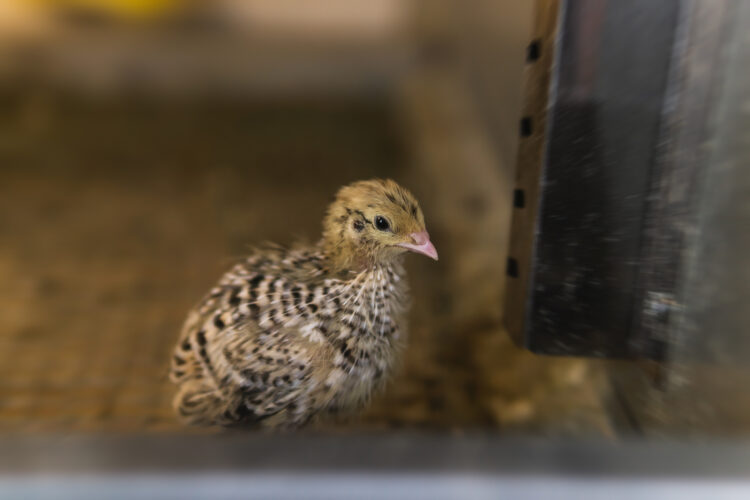
Quail farming offers an excellent opportunity for individuals seeking to venture into poultry production with relatively low startup costs and high-profit potential. However, like any other business endeavor, successful quail farming requires careful planning, preparation, and execution. In this comprehensive guide, we’ll outline the key steps involved in developing a solid business plan for a quail farming enterprise, covering everything from market research and farm setup to production management and marketing strategies.
Step 1: Market Research and Analysis
Before diving into quail farming, it’s essential to conduct thorough market research to assess the demand for quail products in your target market. Identify potential customers, such as restaurants, specialty grocery stores, health food markets, and individual consumers, and determine their preferences and purchasing behavior regarding quail eggs, meat, and other products. Analyze market trends, competitors, pricing strategies, and distribution channels to identify opportunities and potential challenges in the quail farming industry.
Step 2: Define Your Business Goals and Objectives
Establish clear and achievable goals and objectives for your quail farming business, taking into account factors such as production capacity, revenue targets, profitability goals, and timeline for growth and expansion. Determine whether you intend to focus on egg production, meat production, or both, and outline your production targets and sales projections accordingly. Set realistic timelines and milestones for achieving your business objectives and monitor progress regularly to stay on track.
Step 3: Choose Suitable Quail Breeds and Production Systems
Selecting the right quail breeds and production systems is crucial for the success of your quail farming business. Consider factors such as egg production, meat quality, growth rate, disease resistance, and adaptability to local climate and environmental conditions when choosing quail breeds for your farm. Decide whether you’ll raise quails in conventional cages, free-range systems, or a combination of both, and ensure that your production system aligns with your business goals, budget, and available resources.
Step 4: Develop a Comprehensive Farming Plan
Create a detailed farming plan that outlines all aspects of your quail farming operation, including farm layout and infrastructure, equipment and supplies, feeding and nutrition programs, health and disease management protocols, breeding and reproduction strategies, and waste management practices. Consider factors such as biosecurity measures, water supply, electricity, and emergency preparedness to ensure the smooth and efficient operation of your quail farm.
Step 5: Financial Planning and Budgeting
Develop a comprehensive financial plan and budget for your quail farming business, taking into account startup costs, operating expenses, capital investments, and expected revenue streams. Estimate the costs of land acquisition or leasing, construction of housing facilities, purchase of equipment and supplies, labor costs, veterinary expenses, marketing and promotional activities, and other overhead expenses. Determine your break-even point and projected return on investment (ROI) to assess the financial viability of your quail farming venture.
Step 6: Secure Funding and Resources
Identify potential sources of funding and resources to finance your quail farming business, such as personal savings, bank loans, government grants or subsidies, investor capital, or crowdfunding platforms. Prepare a detailed business proposal and financial projections to present to potential investors or lenders and demonstrate the profitability and sustainability of your quail farming venture. Seek advice from financial advisors, agricultural extension services, and industry experts to explore all available funding options and secure the necessary resources to launch and grow your quail farm.
Step 7: Establish Partnerships and Networks
Build strategic partnerships and networks with suppliers, distributors, retailers, industry associations, research institutions, and other stakeholders in the quail farming industry. Collaborate with local farmers, veterinarians, and agricultural experts to exchange knowledge, share best practices, and access valuable resources, training, and support services. Join relevant professional organizations, attend industry conferences and trade shows, and participate in networking events to expand your contacts and stay informed about the latest developments and opportunities in the quail farming sector.
Step 8: Implement Effective Production and Management Practices
Implement effective production and management practices to optimize the performance, health, and welfare of your quail flock and maximize productivity and profitability. Monitor environmental conditions such as temperature, humidity, and ventilation in the quail housing facilities, provide balanced nutrition and clean water, practice good hygiene and sanitation, and implement biosecurity measures to prevent the spread of diseases and pests. Implement efficient egg collection, handling, and storage procedures to maintain egg quality and freshness, and develop strategies for managing egg production cycles, breeding programs, and flock health.
Step 9: Develop a Marketing and Sales Strategy
Develop a comprehensive marketing and sales strategy to promote your quail products and attract customers to your farm. Utilize a combination of online and offline marketing channels, such as social media, websites, email newsletters, farm tours, farmers’ markets, and direct sales to reach your target audience and generate sales leads. Differentiate your quail products by highlighting their unique qualities, such as organic certification, free-range production, superior taste, or nutritional benefits, and emphasize the health, sustainability, and ethical aspects of quail farming to appeal to environmentally conscious consumers. Build relationships with local restaurants, chefs, retailers, and foodservice providers, and explore opportunities for wholesale distribution and collaboration to expand your market reach and increase sales volume.
Step 10: Monitor Performance and Adapt to Changing Conditions
Regularly monitor the performance of your quail farming business and track key performance indicators (KPIs) such as production output, sales revenue, profitability, customer satisfaction, and market share. Analyze trends, identify strengths and weaknesses, and adjust your business strategies and operational plans accordingly to capitalize on opportunities and mitigate risks. Stay informed about industry trends, regulatory changes, consumer preferences, and market dynamics, and remain flexible and adaptable to changing conditions to ensure the long-term success and sustainability of your quail farming venture.
Conclusion:
Developing a comprehensive business plan is essential for building a successful and sustainable quail farming operation. By following these key steps and incorporating sound business principles, strategic planning, and effective management practices, you can establish a profitable and thriving quail farming business that meets the needs of consumers, contributes to the local economy, and supports the growth and development of the poultry industry. With careful planning, dedication, and a commitment to excellence, you can achieve your goals and realize the full potential of your quail farming venture.
Previous Article
Quail Farming as a Sustainable Practice: Environmental BenefitsNext Article
Quail Farming Economics: Assessing Costs and Profits
Written by
Ajay Kuriakose Jacobs
Quail Farming
August 24, 2024
© Copyright 2026 Ajay Kuriakose Jacobs All Rights Reserved.
Archive
Frequently Read Topics


