














A Taste of Growing Up: Tips for Introducing Solid Foods to Your Baby
The moment arrives with a mixture of excitement and apprehension—the time to introduce your baby to solid foods. It’s a significant step in their journey of growth and development. This transition marks a new chapter in your baby’s life, as they explore tastes, textures, and develop essential eating skills. In this comprehensive feature, we will delve into the best practices and essential tips for introducing solid foods to your baby, making this milestone a delightful and nourishing experience.
Introduction: The First Tastes of Independence

As a new parent, the first few months of your baby’s life have likely been a whirlwind of feedings, diaper changes, and sleepless nights. But as your baby grows, their nutritional needs evolve too. The introduction of solid foods is a crucial transition that signals the beginning of a new stage in your baby’s development.
The journey of introducing solids is not just about nutrition; it’s a path towards independence. It’s an exciting time when your baby moves from being solely reliant on breast milk or formula to exploring the world of tastes, textures, and self-feeding. But it can also be daunting, with numerous questions and concerns. How do you begin? What foods should you introduce first? When do you start? These are common inquiries, and this feature aims to address them and provide guidance for a successful introduction to solids.
The Right Time to Start
The American Academy of Pediatrics recommends introducing solid foods to your baby around 6 months of age. However, it’s essential to consider your baby’s individual readiness, as every child develops at their own pace. Here are some signs that your baby may be ready to start solids:
- Good Head Control:
- Your baby should be able to hold their head up and sit with minimal support. This is crucial for safe and comfortable eating.
- Interest in Food:
- If your baby shows curiosity when they see others eating or reaches for your food, it might be a sign of readiness.
- Loss of Tongue Thrust Reflex:
- The tongue thrust reflex, where babies instinctively push food out of their mouths, starts to diminish around 4-6 months.
- Chewing Movements:
- Your baby should display an ability to make chewing motions, even if they have no teeth.
- Swallowing:
- If your baby can swallow food (rather than pushing it out with their tongue), it’s a good sign they are ready.
Remember, it’s important not to start solids too early. The first six months of exclusive breastfeeding or formula feeding are essential for your baby’s health and development. Starting solids too soon can put your baby at risk for allergies and may interfere with the nutrients they get from breast milk or formula.
Choose the Right First Foods
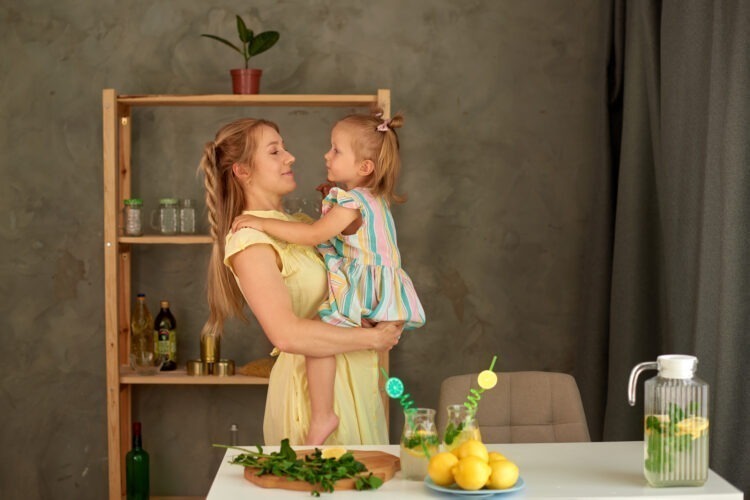
When introducing solids, it’s crucial to start with foods that are both nutritious and easily digestible. Here are some excellent options for your baby’s first foods:
- Rice Cereal:
- Rice cereal is often recommended as a first food because it’s mild, easy to digest, and less likely to cause allergies.
- Oatmeal:
- Oatmeal is another gentle option, providing essential nutrients and fiber.
- Pureed Fruits:
- Single-ingredient pureed fruits like apples, pears, or bananas are often well-received by babies.
- Pureed Vegetables:
- Mashed or pureed vegetables like sweet potatoes, carrots, or peas are excellent choices for introducing savory flavors.
- Baby Cereals:
- Commercial baby cereals are designed for infants and come in various grains, such as barley or quinoa.
- Avocado:
- Avocado is a nutrient-rich option with healthy fats that support brain development.
- Yogurt:
- Plain, full-fat yogurt is a good source of calcium and healthy probiotics.
When starting solids, it’s crucial to introduce one new food at a time and wait a few days before introducing another. This allows you to monitor your baby for any potential allergic reactions or sensitivities. Signs of allergies might include rash, hives, diarrhea, or vomiting. If you notice any of these symptoms, stop feeding the new food and consult your pediatrician.
Preparing the Food
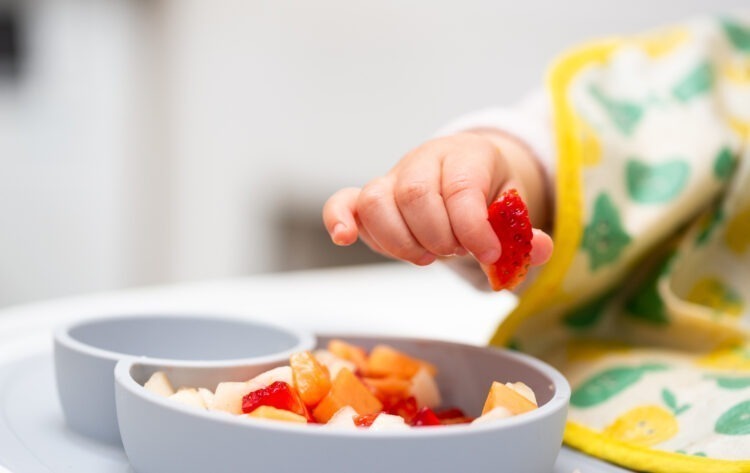
When introducing solids to your baby, consider the following tips for preparing and serving food:
- Start with Smooth Textures:
- In the beginning, offer smooth, thin purees that are easy for your baby to swallow.
- Avoid Added Sugar and Salt:
- Babies don’t need added sugar or salt in their diet. Stick to natural flavors.
- Homemade vs. Store-Bought:
- You can make your baby’s food at home using a blender or food processor. Commercial baby food is also a convenient option.
- Thin the Food:
- If the food is too thick, you can thin it with breast milk, formula, or water.
- Serving Size:
- In the beginning, a few spoonfuls are enough. Your baby is still primarily getting their nutrition from breast milk or formula.
- Food Safety:
- Practice good hygiene when preparing and storing baby food to prevent contamination.
The Art of Feeding Your Baby
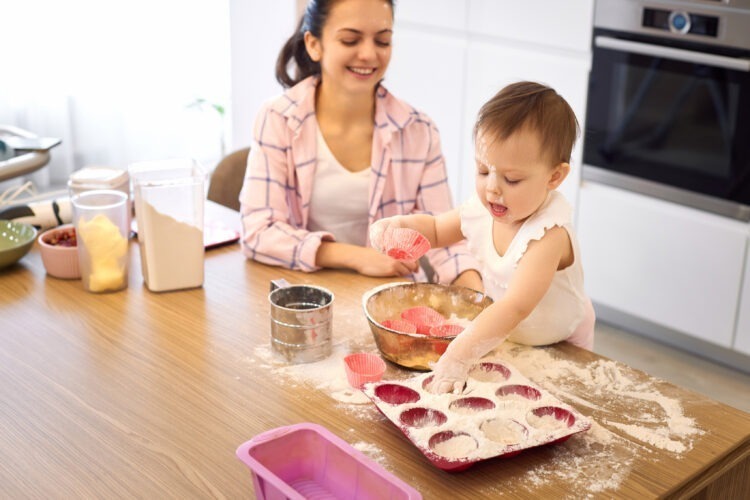
Introducing solids is not just about the type of food but also the way you feed your baby. Here are some tips for making mealtimes enjoyable and effective:
- Choose the Right Time:
- Pick a time when your baby is well-rested and not too hungry or too full.
- Use a Small Spoon:
- Opt for a small baby spoon with a soft tip, designed for gentle gums.
- Make It Fun:
- Mealtimes should be enjoyable. Use this opportunity to bond with your baby and make it a positive experience.
- Stay Relaxed:
- Be patient and relaxed. Your baby may need time to get used to the new experience.
- Follow Your Baby’s Cues:
- Pay attention to your baby’s cues. If they turn away or close their mouth, they might not be interested in eating.
- Gradual Progress:
- Start with small portions and gradually increase the quantity as your baby gets used to solids.
- Encourage Self-Feeding:
- As your baby gets older, encourage them to feed themselves with finger foods. This promotes independence and fine motor skills.
- Be Prepared for Mess:
- Mess is part of the learning process. Protect your baby’s clothing and your surroundings as you introduce solids.
Breastfeeding or Formula Alongside Solids
It’s essential to remember that the introduction of solids doesn’t mean the end of breastfeeding or bottle feeding. Breast milk or formula remains a crucial part of your baby’s diet, providing essential nutrients and hydration. The following tips can help you navigate the balance between breastfeeding or formula and solids:
- Prioritize Milk or Formula:
- Until your baby is around 1 year old, breast milk or formula should still be the primary source of nutrition.
- Offer Milk Before Solids:
- Before offering solids, breastfeed or provide formula to ensure your baby is not too hungry.
- Gradual Transition:
- Gradually increase the amount of solid foods your baby eats while maintaining milk or formula feedings.
- Stay Responsive:
- Pay attention to your baby’s cues. If they are not interested in solids or prefer milk, respect their choice.
Common Challenges and How to Overcome Them
Introducing solids can be a rewarding experience, but it also comes with its set of challenges. Here are some common issues and tips for handling them:
- Food Refusal:
- It’s normal for babies to be hesitant about new tastes and textures. Offer the food multiple times, and don’t force your baby to eat.
- Gagging:
- Gagging is a natural reflex that helps prevent choking. Be prepared for some gagging as your baby explores solid foods.
- Spitting Out Food:
- Babies often spit out food as they are learning to swallow. This is part of the learning process.
- Allergies:
- Be vigilant for any signs of allergies, such as rashes or vomiting, when introducing new foods. Consult your pediatrician if you notice any allergic reactions.
- Constipation:
- Some babies may experience constipation when transitioning to solids. Ensure your baby is drinking enough water and consider fiber-rich foods.
Conclusion: Nourishing a Lifelong Relationship with Food
The journey of introducing solids to your baby is a significant milestone filled with both excitement and challenges. It’s an opportunity to nurture a healthy relationship with food, promote independence, and bond with your baby. Remember that every baby is unique, and their preferences and readiness may vary. Be patient, stay responsive to their cues, and, most importantly, enjoy this precious time of exploration and growth with your little one.
Introducing solids is not just about feeding the body; it’s about nourishing the soul and fostering a positive attitude toward food that can last a lifetime. Through love, care, and a pinch of patience, you can set your baby on the path to a happy and healthy relationship with the wonderful world of flavors and nourishment.

Written by
Ajay Kuriakose Jacobs
New Moms
February 22, 2024
© Copyright 2026 Ajay Kuriakose Jacobs All Rights Reserved.
Archive
Frequently Read Topics


