



















Cultivating a Sustainable Harvest: The Value and Impact of Organic Fruit Farming
Cultivating a Sustainable Harvest: The Value and Impact of Organic Fruit Farming
In the ever-evolving landscape of agriculture, organic fruit farming emerges as a beacon of sustainability, promising to nourish both people and planet. But amidst debates over practices, costs, and yields, the question remains: Is organic fruit farming truly worth it? In this in-depth exploration, we delve into the principles, benefits, and challenges of organic fruit farming, uncovering its worth and impact in today’s agricultural paradigm.

- The Principles of Organic Fruit Farming
At its core, organic fruit farming embodies a holistic approach to agriculture that prioritizes soil health, biodiversity, and ecological balance. Key principles include:
No Synthetic Chemicals: Organic fruit farming prohibits the use of synthetic pesticides, herbicides, and fertilizers, relying instead on natural alternatives such as compost, cover crops, and beneficial insects to manage pests and enhance soil fertility.
Regenerative Practices: Organic fruit farmers embrace regenerative agriculture principles, such as crop rotation, cover cropping, and minimal tillage, to build soil organic matter, sequester carbon, and enhance ecosystem resilience.
Biodiversity Conservation: Organic fruit farms foster biodiversity by preserving natural habitats, planting diverse crop rotations, and creating wildlife corridors to support pollinators, beneficial insects, and other wildlife.
- The Benefits of Organic Fruit Farming

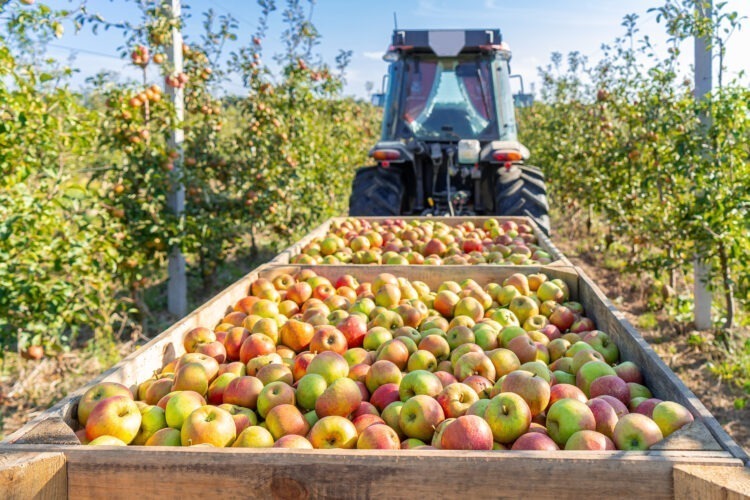
Despite its challenges, organic fruit farming offers a myriad of benefits that extend beyond the farm gate:
Healthier Soil: Organic farming practices promote soil health and fertility, enhancing nutrient cycling, water retention, and microbial diversity in the soil. Healthy soil supports vigorous root growth, nutrient uptake, and overall tree health, resulting in robust, resilient orchards.
Cleaner Environment: By eschewing synthetic chemicals and embracing natural solutions, organic fruit farming reduces chemical runoff, soil erosion, and water pollution, protecting waterways, wildlife habitats, and ecosystems from harmful impacts.
Safer Food: Organic fruits are grown without synthetic pesticides, herbicides, or genetically modified organisms (GMOs), making them a safer and healthier choice for consumers concerned about pesticide residues and chemical exposure in conventional produce.
Improved Flavor and Nutrition: Organic fruits are often praised for their superior flavor, aroma, and nutritional quality compared to conventionally grown counterparts. By prioritizing soil health and biodiversity, organic fruit farming enhances the nutrient content, taste, and sensory attributes of fruits, offering a more satisfying and nutritious eating experience.
- Challenges and Considerations
While organic fruit farming offers numerous benefits, it also presents unique challenges and considerations:
Yield Variability: Organic fruit farming may experience yield variability due to reliance on natural pest control methods and slower nutrient release from organic fertilizers. While yields may be lower initially, over time, organic orchards can achieve comparable yields to conventional systems as soil health improves and ecosystems become more balanced.
Transition Period: Transitioning from conventional to organic fruit farming requires time, investment, and commitment. During the transition period, growers must adhere to organic standards and practices without reaping the full benefits of organic certification, leading to financial and operational challenges.
Market Demand and Pricing: While consumer demand for organic fruits continues to rise, organic products often command higher prices in the marketplace. However, organic fruit farmers may face competition from conventional producers and challenges in accessing premium markets, distribution channels, and retail outlets.
- Financial Considerations
From an economic perspective, organic fruit farming entails both costs and potential returns:
Initial Investment: Transitioning to organic fruit farming requires upfront investment in infrastructure, equipment, certification fees, and organic inputs. While initial costs may be higher, long-term benefits such as improved soil health, reduced input costs, and premium market prices can offset initial investment expenses.
Certification Costs: Organic certification entails annual inspection fees, paperwork, and compliance with organic standards and regulations. While certification costs can be a barrier for small-scale growers, they provide credibility, market access, and premium pricing opportunities for certified organic products.
Market Premiums: Organic fruits often command higher prices in the marketplace due to consumer demand for organic, sustainably grown produce. By tapping into niche markets, direct sales channels, and value-added products, organic fruit farmers can capture premium prices and achieve financial viability.
- The Future of Organic Fruit Farming
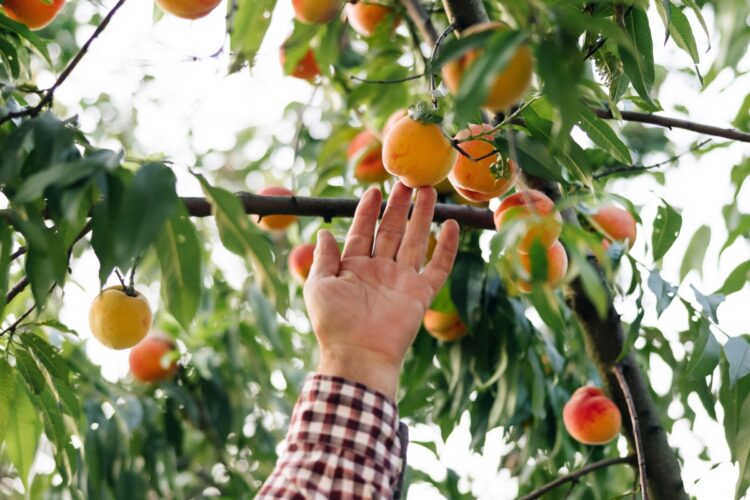
As global concerns over food safety, environmental sustainability, and climate change intensify, organic fruit farming is poised to play a pivotal role in shaping the future of agriculture:
Climate Resilience: Organic fruit farming practices, such as soil conservation, water management, and biodiversity conservation, enhance the resilience of orchards to climate variability and extreme weather events. By building healthy, resilient ecosystems, organic fruit farming contributes to climate mitigation and adaptation efforts.
Consumer Demand: Consumer demand for organic fruits continues to rise, driven by concerns over health, sustainability, and environmental stewardship. As consumers become more informed and conscious of their food choices, organic fruit farming offers a compelling value proposition based on transparency, authenticity, and environmental responsibility.
Policy Support: Governments and regulatory agencies are increasingly recognizing the value of organic agriculture and implementing policies to support its growth and expansion. From research funding and technical assistance to market development and certification incentives, policy support can bolster the viability and competitiveness of organic fruit farming.
Conclusion: Nurturing Nature’s Bounty
In the tapestry of agriculture, organic fruit farming stands as a testament to the harmonious relationship between humans and nature. By embracing principles of sustainability, biodiversity, and ecological balance, organic fruit farmers cultivate not just fruits, but also a legacy of stewardship, resilience, and abundance for future generations. While organic fruit farming may present challenges and uncertainties, its worth and impact extend far beyond the boundaries of the farm, enriching lives, landscapes, and ecosystems with the timeless beauty and bounty of nature’s harvest.

Written by
Ajay Kuriakose Jacobs
Fruit Farming
February 17, 2024
© Copyright 2025 Ajay Kuriakose Jacobs All Rights Reserved.
Archive
Frequently Read Topics


Subscribe to our Blogs
Feel better, get smarter, and LOL a little… every week.
Most Popular in Travel
-
 Ducks and Geese Farming
Beginner’s Guide to Duck and Geese Farming
-
 Dairy Farming
Introduction to Indian Cow Breeds: A Comprehensive Guide
-


