














Managing Silkworm Pests and Diseases: A Comprehensive Guide
Managing Silkworm Pests and Diseases: A Comprehensive Guide
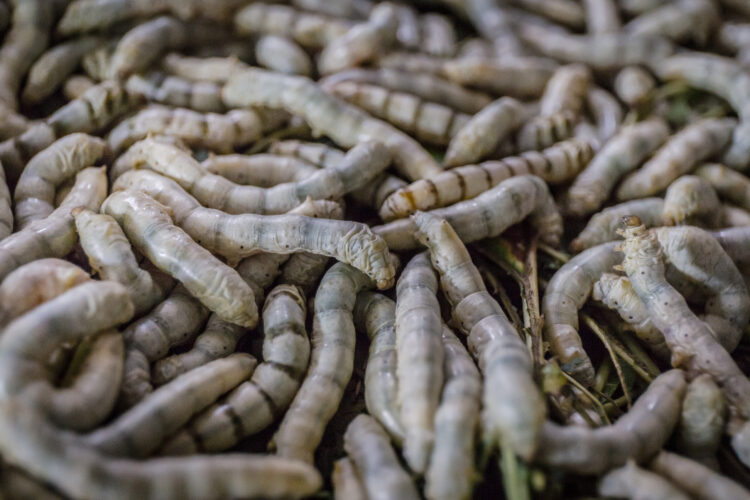
Silkworms, the caterpillars of the silk moth Bombyx mori, are renowned for their ability to produce silk, a valuable and luxurious fiber. However, like any other livestock or crop, silkworms are susceptible to various pests and diseases that can significantly impact their health, growth, and silk production. Effective management of silkworm pests and diseases is essential for maintaining healthy colonies and maximizing silk yield. In this comprehensive guide, we will explore common pests and diseases that affect silkworms, their symptoms, prevention strategies, and treatment options.
- Common Silkworm Pests
Silkworms are susceptible to a range of pests that can cause damage to their health and silk production. Some of the most common pests include:
- Silkworm Moths: Adult silk moths can lay eggs on silkworm eggs or silk cocoon, leading to contamination and reduced silk quality.
- Parasitic Wasps: Parasitic wasps lay eggs inside silkworms, which hatch into larvae and consume the silkworm from the inside, ultimately killing it.
- Mites: Mites can infest silkworm eggs, larvae, and cocoons, causing damage and reducing silk yield.
- Flies: Various species of flies, such as house flies and fruit flies, can lay eggs on silkworm eggs or larvae, leading to infestations and disease transmission.
- Common Silkworm Diseases
Silkworms are also susceptible to a range of diseases caused by bacteria, viruses, fungi, and other pathogens. Some common silkworm diseases include:
- Bacterial Diseases: Bacterial infections, such as Flacherie and Pebrine, can cause symptoms such as discoloration, lethargy, and death in silkworms.
- Viral Diseases: Viral infections, such as Nuclear Polyhedrosis Virus (NPV) and Bombyx mori Cypovirus (BmCPV), can cause symptoms such as darkening, liquefaction, and death in silkworms.
- Fungal Diseases: Fungal infections, such as Beauveria bassiana and Metarhizium anisopliae, can cause symptoms such as white or gray patches on the silkworm’s body, lethargy, and death.
- Prevention Strategies for Silkworm Pests and Diseases
Preventing and managing silkworm pests and diseases require a combination of proactive measures, biosecurity practices, and cultural controls. Here are some effective prevention strategies:
- Maintain Cleanliness: Keep the silkworm rearing environment clean and free of debris, waste, and contaminants to reduce the risk of pest and disease transmission.
- Quarantine New Stock: Quarantine new silkworm eggs or larvae for a period to prevent the introduction of pests and diseases into existing colonies.
- Screening and Exclusion: Use screens or nets to prevent the entry of pests such as flies and wasps into the silkworm rearing area.
- Regular Monitoring: Monitor silkworm colonies regularly for signs of pest infestation or disease symptoms, such as discoloration, lethargy, or abnormal behavior.
- Biocontrol Agents: Introduce natural enemies of pests, such as parasitic wasps or predatory mites, to control pest populations and reduce reliance on chemical pesticides.
- Genetic Resistance: Select silkworm strains or breeds that exhibit resistance or tolerance to common pests and diseases.
- Treatment Options for Silkworm Pests and Diseases
When pest or disease outbreaks occur, prompt action is essential to prevent further spread and minimize losses. Here are some treatment options for managing silkworm pests and diseases:
- Chemical Pesticides: In severe cases, chemical pesticides may be used to control pest populations. However, use pesticides judiciously and follow label instructions to minimize environmental impact and prevent harm to beneficial organisms.
- Biological Control: Use biological control agents, such as microbial insecticides or parasitic wasps, to target specific pests while minimizing harm to beneficial insects and the environment.
- Sanitation and Quarantine: Remove and dispose of infected or diseased silkworms, cocoons, or rearing materials to prevent the spread of disease within the colony. Quarantine affected silkworms or colonies to prevent further transmission to healthy individuals.
- Antibiotics: In cases of bacterial infections, antibiotics may be used to treat infected silkworms. Consult a veterinarian or experienced silkworm expert for guidance on antibiotic use and dosage.
- Vaccination: Research is ongoing into the development of vaccines or immunization strategies to protect silkworms against viral diseases. While currently not widely available, vaccination may become a viable option in the future.
Conclusion
In conclusion, effective management of silkworm pests and diseases is essential for maintaining healthy colonies and maximizing silk production. By implementing proactive prevention strategies, such as maintaining cleanliness, quarantine, and regular monitoring, and employing targeted treatment options when necessary, growers can minimize the impact of pests and diseases on their silkworm populations. Additionally, ongoing research into alternative control methods, such as biological control and genetic resistance, holds promise for sustainable and eco-friendly pest and disease management in silkworm farming. With proper care and attention to biosecurity measures, silkworm growers can protect their investment and ensure the success of their silk production endeavors.

Written by
Ajay Kuriakose Jacobs
Silkworm Farming
July 19, 2024
© Copyright 2026 Ajay Kuriakose Jacobs All Rights Reserved.
Archive
Frequently Read Topics


