














The Art of Cheese Labeling: Design and Marketing Strategies
The Art of Cheese Labeling: Design and Marketing Strategies
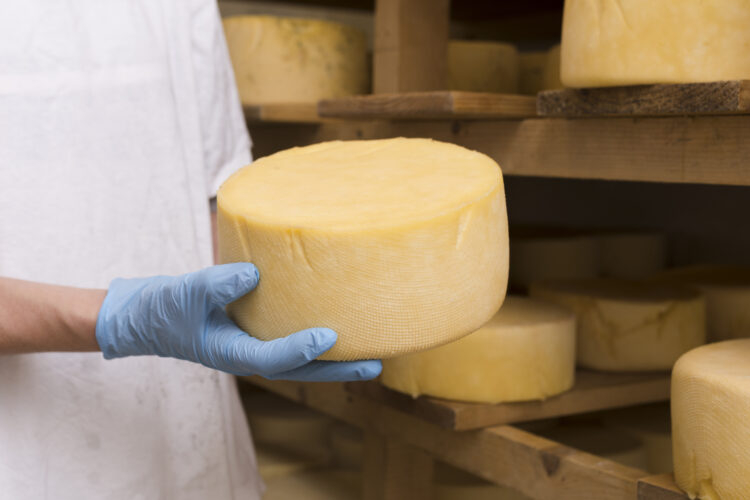
Cheese, with its rich history and diverse array of flavors, holds a special place in the hearts of food enthusiasts around the world. Beyond its taste and texture, the art of cheese labeling plays a crucial role in attracting consumers, conveying information, and evoking emotions. In this comprehensive guide, we’ll explore the intricate world of cheese labeling, from design principles to marketing strategies, and how they contribute to the success of cheese brands in a competitive market.
- The Importance of Cheese Labeling
A cheese label is more than just a piece of paper affixed to a package—it’s a powerful tool for communication and branding. In today’s crowded marketplace, where consumers are inundated with choices, a well-designed cheese label can make all the difference in capturing attention, building trust, and ultimately driving sales.
- Design Principles for Cheese Labels
Designing an effective cheese label requires a thoughtful blend of creativity, functionality, and brand identity. Here are some key design principles to consider when creating a cheese label:
- Clarity and Readability: Ensure that the label is easy to read and understand, with clear typography and legible text. Important information such as the cheese name, type, origin, and ingredients should be prominently displayed.
- Visual Hierarchy: Create visual hierarchy by using size, color, and placement to emphasize important elements such as the cheese name and brand logo. The most critical information should be easy to find and stand out from the rest of the label.
- Brand Identity: Reflect the brand’s identity and values through the design of the label. Use colors, fonts, and imagery that align with the brand’s personality and appeal to its target audience. Consistency in branding helps build recognition and trust among consumers.
- Imagery and Graphics: Incorporate imagery and graphics that convey the essence of the cheese and evoke emotions in consumers. Use high-quality photographs or illustrations of the cheese, its ingredients, or its production process to create visual interest and tell a story.
- Quality and Finish: Choose high-quality materials and printing techniques to ensure that the label looks and feels premium. Consider special finishes such as embossing, foil stamping, or matte coatings to add texture and visual appeal to the label.
- Marketing Strategies for Cheese Labels
In addition to design, effective cheese labeling requires strategic marketing tactics to attract consumers and differentiate the brand from competitors. Here are some marketing strategies to consider when labeling cheese:
- Storytelling: Use the label as a platform to tell the story behind the cheese—its origin, production process, and unique qualities. Engage consumers with narratives that evoke a sense of tradition, craftsmanship, and authenticity, creating an emotional connection with the brand.
- Product Differentiation: Highlight the unique characteristics of the cheese that set it apart from competitors. Whether it’s the use of artisanal techniques, locally sourced ingredients, or innovative flavor profiles, emphasize what makes the cheese special and worth trying.
- Certifications and Awards: Showcase any certifications, awards, or accolades that the cheese has received, such as PDO (Protected Designation of Origin) or AOC (Appellation d’Origine Contrôlée) certifications. These symbols of quality and authenticity can help build credibility and trust among consumers.
- Seasonal and Limited Editions: Create excitement and anticipation by releasing seasonal or limited edition cheeses with special packaging and labeling. Highlight the exclusivity and uniqueness of these offerings to encourage consumers to try them before they’re gone.
- Cross-Promotion and Collaborations: Partner with other brands, artisans, or influencers to cross-promote the cheese and reach new audiences. Collaborate on special editions or limited-time offerings that combine the cheese with complementary products or experiences, such as wine pairings or culinary events.
- Case Studies: Successful Cheese Labeling Examples
To illustrate the effectiveness of strategic cheese labeling, let’s examine some successful case studies from the industry:
- Cabot Creamery: Cabot Creamery, a cooperative of dairy farmers in Vermont, is known for its bold and distinctive cheese labels. With vibrant colors, playful typography, and engaging imagery, Cabot’s labels stand out on the shelf and convey a sense of heritage, quality, and authenticity.
- Rogue Creamery: Rogue Creamery, based in Oregon, specializes in artisanal blue cheeses with unique flavor profiles. Their labels feature hand-drawn illustrations, whimsical typography, and storytelling elements that capture the spirit of the Pacific Northwest and the craftsmanship behind the cheese.
- Murray’s Cheese: Murray’s Cheese, a renowned cheese retailer based in New York City, is known for its curated selection of cheeses and expertly designed labels. With elegant typography, minimalist graphics, and informative copy, Murray’s labels provide consumers with essential information while maintaining a sense of sophistication and style.
Conclusion: Crafting Cheese Labels That Stand Out
In conclusion, the art of cheese labeling is a multifaceted endeavor that requires a careful balance of design, storytelling, and marketing savvy. By applying design principles, strategic marketing tactics, and creativity, cheese brands can create labels that capture attention, convey information, and evoke emotions in consumers.
In a competitive market where consumers are bombarded with choices, a well-designed cheese label can be the difference between success and obscurity. By investing in thoughtful design, compelling storytelling, and strategic marketing, cheese brands can differentiate themselves, build loyalty, and ultimately drive sales in an increasingly crowded marketplace.
So, the next time you pick up a wedge of cheese, take a moment to appreciate the artistry and thoughtfulness that went into creating its label. From the typography to the imagery to the storytelling elements, every aspect of the label is a reflection of the brand’s identity and a testament to the power of effective cheese labeling.
Previous Article
Organic Cheese Making: Understanding the Benefits and Challenges
Written by
Ajay Kuriakose Jacobs
Cheese
July 20, 2024
© Copyright 2026 Ajay Kuriakose Jacobs All Rights Reserved.
Archive
Frequently Read Topics


