














Harnessing the Harmony: Integrating Rabbits into Permaculture Systems for Sustainable Agriculture
Harnessing the Harmony: Integrating Rabbits into Permaculture Systems for Sustainable Agriculture
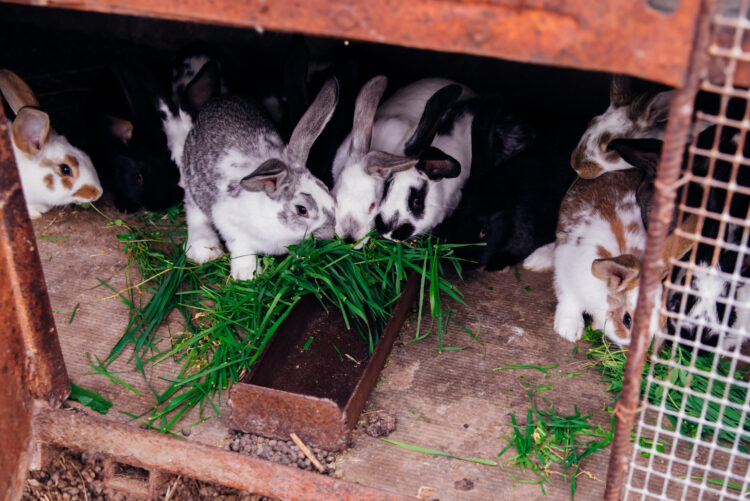
Permaculture, derived from the words “permanent” and “agriculture,” is a holistic approach to designing sustainable systems that mimic natural ecosystems to create regenerative and resilient landscapes. At the heart of permaculture lies the principle of integration, where diverse elements are thoughtfully combined to maximize synergy and productivity. Rabbits, with their prolific breeding, efficient foraging habits, and nutrient-rich manure, offer valuable contributions to permaculture systems as versatile allies in achieving ecological balance and food self-sufficiency. In this comprehensive guide, we will explore the principles, methods, and benefits of integrating rabbits into permaculture systems, empowering practitioners to harness their potential for sustainable agriculture and resilient food production.
- Principles of Permaculture Integration:
- Diversity: Permaculture emphasizes the importance of biodiversity and polyculture, where multiple plant and animal species coexist harmoniously to create resilient ecosystems. Integrating rabbits adds another layer of diversity to permaculture systems, enhancing overall ecosystem health and functionality.
- Efficiency: Permaculture seeks to maximize resource efficiency and minimize waste by utilizing natural processes and cycles. Rabbits excel at converting low-quality forage and organic matter into nutrient-dense manure, closing nutrient loops and cycling resources within the system.
- Synergy: Permaculture encourages the creation of mutually beneficial relationships between elements in the system, known as symbiosis. Rabbits contribute to symbiotic relationships by providing manure for fertilizing plants, controlling weeds through grazing, and serving as a food source for predators such as birds of prey or carnivorous mammals.
2.Benefits of Integrating Rabbits into Permaculture Systems:
- Soil Fertility: Rabbit manure, often referred to as “bunny gold,” is a potent organic fertilizer rich in nitrogen, phosphorus, potassium, and micronutrients. Applying rabbit manure to soil improves soil structure, fertility, and microbial activity, enhancing plant growth and productivity.
- Weed Control: Rabbits are natural grazers and can help control weeds by selectively consuming invasive plants and reducing competition for resources. Introducing rabbits to areas with overgrown vegetation or weed infestations can help manage vegetation while providing additional forage for rabbits.
- Pest Management: Rabbits contribute to pest management in permaculture systems by serving as prey for natural predators such as hawks, owls, foxes, and snakes. Encouraging habitat diversity and supporting predator populations creates a balanced ecosystem where pest populations are kept in check without the need for chemical pesticides.
- Composting: Rabbit manure is an excellent component for composting, contributing valuable organic matter, nitrogen, and microbial activity to the compost pile. Composting rabbit manure with other organic materials such as food scraps, yard waste, or straw creates nutrient-rich compost that can be used to fertilize plants and improve soil health.
3.Methods of Integrating Rabbits into Permaculture Systems:
- Rabbit Tractors: Rabbit tractors, also known as mobile pens or grazing frames, are portable enclosures that allow rabbits to graze on grass, weeds, or cover crops while confining them to a designated area. Moving rabbit tractors periodically across the landscape mimics natural grazing patterns, prevents overgrazing, and promotes soil health and vegetation management.
- Integrated Forage Systems: Integrate rabbits into rotational grazing systems or silvopasture systems where they graze alongside other livestock or forage under fruit and nut trees. Grazing rabbits contribute to soil fertility, vegetation management, and ecosystem health while benefiting from diverse forage options and shelter provided by trees and shrubs.
- Rabbitry and Garden Integration: Establish a rabbitry or rabbit breeding operation adjacent to vegetable gardens, orchards, or perennial crops. Use rabbit manure as a fertilizer for garden beds, orchard rows, or compost piles, closing nutrient loops and promoting soil fertility and plant growth.
- Habitat Enhancement: Create habitat features such as brush piles, hedgerows, or wildlife corridors to support native wildlife, including rabbits and their predators. Designate areas of the landscape as rabbit habitat by providing shelter, nesting sites, and forage options to encourage rabbit populations and enhance biodiversity.
4.Design Considerations for Rabbit Integration:
- Site Selection: Choose appropriate locations within the permaculture system for integrating rabbits based on factors such as soil type, vegetation cover, sunlight exposure, and proximity to water sources. Designate areas with ample forage options and vegetation diversity to support rabbit grazing and habitat needs.
- Enclosure Design: Design rabbit enclosures or tractors that provide adequate space, shelter, and protection from predators and adverse weather conditions. Use sturdy materials such as wire mesh, wood, or PVC piping to construct enclosures that are durable, secure, and easily movable.
- Rotation and Management: Implement rotational grazing or rest periods to prevent overgrazing, soil compaction, and vegetation depletion in areas grazed by rabbits. Rotate rabbit tractors or grazing areas periodically to allow vegetation to recover and regenerate, promoting long-term soil and ecosystem health.
- Predator Protection: Implement predator deterrent measures such as fencing, netting, or guardian animals to protect rabbits from predation by foxes, coyotes, raccoons, or birds of prey. Use electric fencing or predator-proof enclosures to create secure barriers and minimize risks of predation or disturbance.
5.Monitoring and Evaluation:
- Observational Monitoring: Regularly observe rabbit behavior, health, and condition to assess their welfare, grazing patterns, and habitat preferences. Monitor vegetation response, soil health indicators, and ecosystem dynamics to evaluate the impact of rabbit integration on permaculture system performance.
- Soil Testing: Conduct soil tests periodically to evaluate soil fertility, nutrient levels, and pH balance in areas grazed by rabbits. Use soil test results to adjust fertilizer application rates, grazing intensity, and management practices to maintain optimal soil health and plant productivity.
- Adaptive Management: Adopt an adaptive management approach that allows for flexibility and responsiveness to changing environmental conditions, rabbit populations, and system dynamics. Continuously monitor and adjust rabbit integration strategies based on feedback, observation, and ongoing learning to optimize outcomes and achieve desired goals.
Conclusion:
Integrating rabbits into permaculture systems offers a multitude of benefits for soil fertility, vegetation management, pest control, and ecosystem resilience. By harnessing the natural behaviors, ecological functions, and nutrient cycling capabilities of rabbits, practitioners can create regenerative landscapes that thrive in harmony with nature. Through thoughtful design, careful management, and ongoing monitoring, rabbits can play a vital role in achieving the principles and objectives of permaculture, contributing to sustainable agriculture, food security, and environmental stewardship. As stewards of the land, let us embrace the potential of integrating rabbits into permaculture systems as a holistic approach to creating vibrant, resilient, and thriving ecosystems for generations to come.
Previous Article
Guard Rabbits: Harnessing Nature’s Protectors for Pest Control
Written by
Ajay Kuriakose Jacobs
Rabbit Farming
July 20, 2024
© Copyright 2026 Ajay Kuriakose Jacobs All Rights Reserved.
Archive
Frequently Read Topics


