














Harnessing the Power of Rabbit Manure: A Comprehensive Guide to Utilizing Organic Fertilizer
Harnessing the Power of Rabbit Manure: A Comprehensive Guide to Utilizing Organic Fertilizer
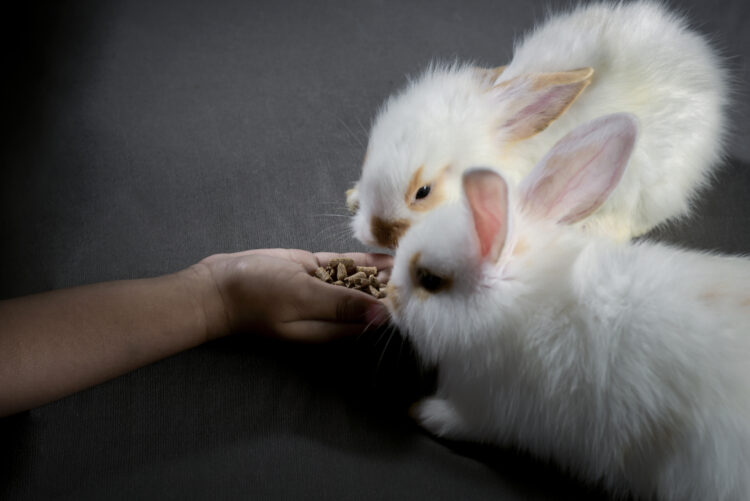
In the realm of organic farming and gardening, the importance of nutrient-rich fertilizers cannot be overstated. Rabbit manure stands out as a valuable resource in this regard, offering a potent blend of nutrients and organic matter that can enhance soil fertility, improve plant growth, and promote sustainable agricultural practices. As a natural byproduct of rabbit husbandry, rabbit manure provides an eco-friendly solution for enriching soil health and nourishing crops without relying on synthetic chemicals or harmful additives. In this comprehensive guide, we will delve into the benefits, methods, and best practices for utilizing rabbit manure as organic fertilizer, empowering farmers and gardeners to harness its potential for optimal plant growth and yield.
- Understanding the Nutrient Content of Rabbit Manure:
Rabbit manure is renowned for its high nutrient content, making it a valuable source of essential elements for plant growth and development. Unlike other livestock manures, such as poultry or cattle, rabbit manure has a balanced NPK (nitrogen, phosphorus, potassium) ratio, along with other micronutrients, organic matter, and beneficial microbes.
- Nitrogen (N): Rabbit manure typically contains higher levels of nitrogen compared to other livestock manures, making it an excellent source of this essential nutrient for promoting leafy growth, lush foliage, and vibrant green coloration in plants.
- Phosphorus (P): Phosphorus is essential for root development, flowering, and fruit set in plants. Rabbit manure provides a readily available source of phosphorus, aiding in overall plant growth and reproductive success.
- Potassium (K): Potassium plays a crucial role in plant metabolism, water uptake, and disease resistance. Rabbit manure contains potassium in a form that is easily absorbed by plants, promoting strong stems, increased yield, and improved stress tolerance.
2.Benefits of Rabbit Manure as Organic Fertilizer:
- Nutrient-Rich Soil Amendment: Rabbit manure enriches the soil with a diverse array of nutrients, organic matter, and beneficial microorganisms, improving soil structure, fertility, and nutrient availability for plants.
- Balanced NPK Ratio: The balanced NPK ratio of rabbit manure supports balanced plant growth and development, minimizing the risk of nutrient deficiencies or imbalances commonly associated with synthetic fertilizers.
- Slow-Release Nutrients: Rabbit manure releases nutrients gradually over time, providing a sustained source of nourishment for plants and reducing the risk of nutrient leaching or runoff into waterways.
- Soil Conditioning: The organic matter in rabbit manure enhances soil structure, moisture retention, and aeration, promoting root growth, microbial activity, and overall soil health.
- Weed Suppression: Applying rabbit manure as mulch or soil amendment can help suppress weed growth by smothering weed seeds, blocking sunlight, and inhibiting weed germination and establishment.
3.Methods of Application:
- Composting: Composting rabbit manure is an effective way to harness its nutrient-rich properties while also promoting microbial activity and decomposition. Combine rabbit manure with carbon-rich materials such as straw, leaves, or wood shavings in a compost pile or bin, and periodically turn the compost to aerate and accelerate decomposition.
- Vermicomposting: Vermicomposting, or worm composting, involves feeding rabbit manure to composting worms such as red wigglers or earthworms to break down organic matter and produce nutrient-rich vermicompost. Worm castings produced from vermicomposting rabbit manure are prized for their high nutrient content and microbial activity.
- Direct Application: Rabbit manure can be applied directly to soil as a fertilizer or soil amendment. Spread a layer of rabbit manure around plants or incorporate it into the soil surface using a garden fork or tiller. Avoid applying fresh rabbit manure directly to plant foliage to prevent burning or nutrient imbalances.
- Tea or Liquid Fertilizer: Steep rabbit manure in water to create a nutrient-rich compost tea or liquid fertilizer solution. Use a ratio of 1 part rabbit manure to 5 parts water, and allow the mixture to steep for several days to extract nutrients before applying it to plants as a foliar spray or soil drench.
4.Best Practices for Application and Handling:
- Age and Cure Manure: Allow fresh rabbit manure to age and cure for several weeks to months before applying it to plants. Curing reduces the risk of burning plants due to high ammonia content and allows beneficial microbes to break down organic matter and release nutrients.
- Use in Moderation: While rabbit manure is an excellent fertilizer, it should be used in moderation to avoid overapplication and nutrient imbalances. Conduct soil tests regularly to monitor nutrient levels and adjust application rates accordingly.
- Safety Precautions: When handling rabbit manure, wear gloves and wash hands thoroughly afterward to reduce the risk of bacterial contamination. Avoid inhaling dust or aerosols generated during handling and application, especially if the manure is dry or dusty.
- Storage and Handling: Store rabbit manure in a covered, well-ventilated area away from direct sunlight and moisture to prevent odor buildup, nutrient loss, or microbial proliferation. Use sturdy containers or bins to contain and transport manure safely and prevent spills or contamination.
5.Environmental and Economic Benefits:
- Sustainable Agriculture: By utilizing rabbit manure as organic fertilizer, farmers and gardeners can reduce reliance on synthetic chemicals, minimize environmental pollution, and promote sustainable agricultural practices that conserve soil health and biodiversity.
- Cost-Effective Solution: Rabbit manure is readily available, affordable, and often free for rabbit owners and breeders. By repurposing rabbit manure as fertilizer, farmers and gardeners can reduce input costs, improve soil fertility, and enhance crop productivity without significant financial investment.
- Closed-Loop System: Incorporating rabbit manure into agricultural systems creates a closed-loop nutrient cycle, where waste products are recycled and repurposed to support plant growth, soil health, and ecosystem resilience. This closed-loop approach reduces waste generation, conserves resources, and fosters ecological sustainability.
Conclusion:
Rabbit manure represents a valuable resource in organic farming and gardening, offering a nutrient-rich, eco-friendly solution for enhancing soil fertility, improving plant growth, and promoting sustainable agricultural practices. By understanding the nutrient content, benefits, methods of application, best practices, and environmental and economic benefits of rabbit manure as organic fertilizer, farmers and gardeners can harness its potential to nourish crops, enrich soil, and cultivate thriving ecosystems. As stewards of the land, let us embrace the power of rabbit manure as a sustainable, regenerative tool for enhancing agricultural productivity, environmental stewardship, and food security in a rapidly changing world.

Written by
Ajay Kuriakose Jacobs
Rabbit Farming
July 30, 2024
© Copyright 2026 Ajay Kuriakose Jacobs All Rights Reserved.
Archive
Frequently Read Topics


