














Innovative Rabbit Farming Technologies and Practices: Revolutionizing the Industry
Innovative Rabbit Farming Technologies and Practices: Revolutionizing the Industry
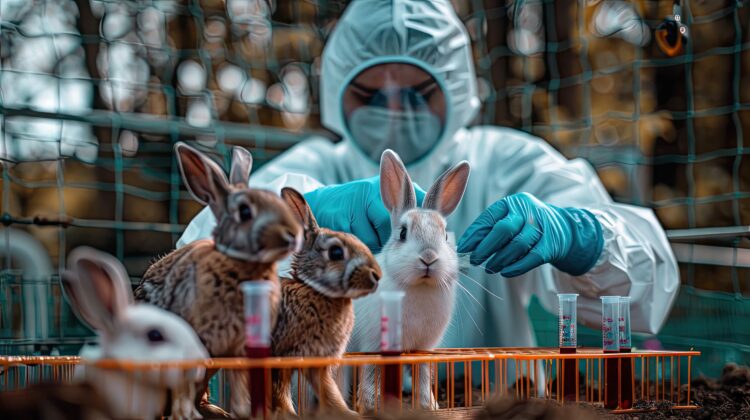
Rabbit farming has been a traditional practice for centuries, providing meat, fur, and companionship to humans around the world. However, in recent years, the rabbit farming industry has witnessed a surge in innovation, driven by advancements in technology, sustainable practices, and animal welfare considerations. From automated feeding systems to precision breeding techniques, innovative technologies and practices are revolutionizing the way rabbits are raised, managed, and marketed. In this comprehensive guide, we will explore the latest trends and developments in rabbit farming technology, highlighting their potential to enhance efficiency, productivity, and sustainability in the industry.
- Automated Feeding Systems:
Traditional methods of feeding rabbits involve manual feeding and watering, which can be time-consuming and labor-intensive. Automated feeding systems offer a more efficient and precise approach to feeding rabbits, ensuring consistent nutrition and reducing feed wastage. These systems can include hopper feeders, automatic pellet dispensers, and nipple drinkers, which deliver feed and water to rabbits on demand. By automating the feeding process, farmers can save time, reduce labor costs, and optimize feed utilization, resulting in improved growth rates and feed efficiency in rabbits.
2.Environmental Monitoring and Control:
Maintaining optimal environmental conditions is essential for the health and well-being of rabbits, particularly in intensive production systems. Innovative technologies such as environmental monitoring sensors and climate control systems allow farmers to monitor and regulate temperature, humidity, ventilation, and lighting levels in rabbit housing facilities. These systems provide real-time data on environmental parameters, allowing farmers to make informed decisions and adjustments to optimize rabbit comfort, minimize stress, and prevent heat or cold-related health issues.
3.Precision Breeding and Genetics:
Advances in genetic selection and breeding techniques are transforming the way rabbits are bred and managed for desired traits and performance characteristics. Through the use of genomic selection, marker-assisted breeding, and artificial insemination, farmers can accelerate genetic progress, improve disease resistance, and enhance productivity in rabbit populations. Precision breeding allows for the selection of rabbits with superior growth rates, feed efficiency, carcass quality, and reproductive performance, leading to more profitable and sustainable rabbit farming operations.
4.Vertical Farming and Urban Agriculture:
In response to growing urbanization and land constraints, innovative farming practices such as vertical farming and urban agriculture are gaining popularity in the rabbit farming industry. Vertical farming utilizes vertical space to grow crops and raise livestock in multi-tiered structures, maximizing land efficiency and productivity. Urban agriculture involves the cultivation of rabbits and other agricultural products in urban or peri-urban areas, promoting local food production, food security, and community engagement. These innovative farming practices offer opportunities for small-scale rabbit farmers to enter the industry and produce fresh, locally sourced rabbit meat for urban consumers.
5.Alternative Feed Sources and Nutritional Supplements:
Traditional rabbit feed ingredients such as grains and forages are facing challenges due to fluctuating prices and availability. Innovative feed technologies and alternative feed sources are emerging as viable solutions to address these challenges and enhance the nutritional quality of rabbit diets. These include the use of insect protein, algae, by-products from food processing industries, and hydroponic fodder systems as alternative feed ingredients and nutritional supplements for rabbits. By diversifying feed sources and incorporating novel ingredients into rabbit diets, farmers can improve feed efficiency, reduce dependence on conventional feeds, and promote sustainability in rabbit farming.
6.Data Analytics and Precision Livestock Farming:
The adoption of data analytics and precision livestock farming technologies is revolutionizing farm management practices and decision-making processes in the rabbit industry. Through the use of sensors, RFID tags, and data management software, farmers can collect and analyze data on rabbit health, performance, and behavior in real-time. This data-driven approach enables farmers to monitor individual rabbits, detect early signs of disease or stress, optimize feeding regimes, and make informed management decisions to maximize productivity and profitability in rabbit farming operations.
Conclusion:
Innovative technologies and practices are reshaping the landscape of rabbit farming, offering new opportunities for farmers to improve efficiency, productivity, and sustainability in the industry. From automated feeding systems to precision breeding techniques, these innovations hold the promise of revolutionizing the way rabbits are raised, managed, and marketed. By embracing these technologies and incorporating them into their operations, farmers can enhance animal welfare, reduce environmental impact, and meet the growing demand for high-quality, sustainably produced rabbit products in domestic and global markets. As the rabbit farming industry continues to evolve, it is essential for farmers to stay abreast of the latest advancements and leverage technology to drive positive change and innovation in their operations.

Written by
Ajay Kuriakose Jacobs
Rabbit Farming
August 12, 2024
© Copyright 2026 Ajay Kuriakose Jacobs All Rights Reserved.
Archive
Frequently Read Topics


