













Mastering Silkworm Farm Management: Best Practices and Record-Keeping
Mastering Silkworm Farm Management: Best Practices and Record-Keeping
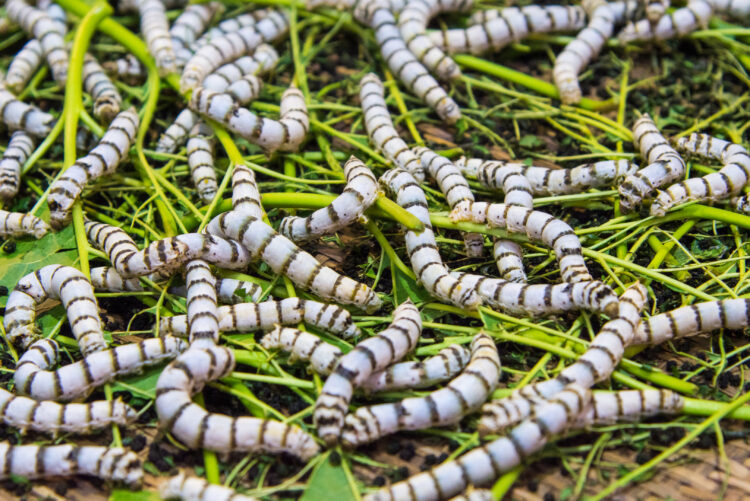
Silk, often hailed as the epitome of luxury and elegance, originates from the humble silkworm, the caterpillar of the silk moth. Cultivating silkworms, a practice known as sericulture, requires meticulous care, attention to detail, and adherence to best practices to ensure a successful harvest of high-quality silk. In this comprehensive guide, we will delve into the world of silkworm farm management, exploring the best practices for rearing silkworms and maintaining a healthy and productive environment. Additionally, we will discuss the importance of record-keeping in sericulture and how it contributes to the success and sustainability of silk production.
- Creating the Ideal Silkworm Habitat
The first step in silkworm farm management is to create an optimal habitat that mimics the natural environment of silkworms and promotes their health and growth. Here are some key considerations:
- Temperature and Humidity Control: Silkworms thrive in warm and humid conditions, with temperatures ranging between 77°F to 85°F (25°C to 30°C) and humidity levels around 70% to 80%. Maintaining a consistent temperature and humidity within these ranges is essential for the healthy development of silkworms.
- Ventilation: Adequate ventilation is crucial to prevent the buildup of moisture and carbon dioxide in the silkworm habitat, which can lead to bacterial and fungal infections. Ensure proper airflow by installing ventilation fans or windows that can be opened to allow fresh air to circulate.
- Lighting: Silkworms prefer dimly lit environments, as excessive light can stress them and disrupt their feeding and growth. Use ambient lighting or cover windows with translucent materials to create a subdued lighting environment in the silkworm habitat.
- Sanitation: Maintaining cleanliness and hygiene in the silkworm habitat is essential to prevent the spread of disease and ensure the health of the silkworms. Regularly remove waste, old mulberry leaves, and silkworm excrement from the habitat, and clean surfaces with a mild disinfectant to prevent bacterial and fungal growth.
- Feeding and Nutrition
Proper nutrition is critical for the healthy growth and development of silkworms. Here are some best practices for feeding and nutrition management:
- High-Quality Mulberry Leaves: Mulberry leaves are the primary food source for silkworms and should be of high quality and free from pesticides or chemical residues. Harvest fresh mulberry leaves regularly and feed them to the silkworms to ensure they receive adequate nutrition.
- Feeding Schedule: Establish a regular feeding schedule for the silkworms, providing fresh mulberry leaves multiple times a day to meet their nutritional needs. Monitor the silkworms’ feeding behavior and adjust the feeding schedule as needed to ensure they are eating enough.
- Supplementary Feeding: In addition to mulberry leaves, consider supplementing the silkworms’ diet with other nutritious foods, such as commercial silkworm feed or fresh vegetables like lettuce or cabbage. This can help provide a balanced diet and promote healthy growth and development.
- Disease Prevention and Management
Preventing and managing diseases is crucial for maintaining the health and productivity of silkworms. Here are some best practices for disease prevention and management:
- Quarantine New Silkworms: Quarantine new silkworms before introducing them to the main colony to prevent the spread of diseases. Monitor them closely for signs of illness or infection, such as lethargy, loss of appetite, or unusual behavior.
- Sanitation Practices: Maintain strict sanitation practices in the silkworm habitat to prevent the spread of disease-causing pathogens. Clean and disinfect surfaces regularly, and avoid overcrowding silkworms to reduce stress and minimize the risk of disease transmission.
- Early Detection and Treatment: Monitor the silkworms closely for signs of disease or infection, such as discoloration, abnormal behavior, or decreased appetite. If you suspect a silkworm is sick, isolate it from the main colony and consult a veterinarian or experienced sericulturist for diagnosis and treatment.
- Record-Keeping and Data Management
Record-keeping is an essential aspect of silkworm farm management, providing valuable insights into the health, growth, and productivity of the silkworms. Here are some key records to maintain:
- Feeding Records: Keep detailed records of the silkworms’ feeding schedule, including the types and quantities of food provided, as well as any supplements or additives used. This can help ensure that the silkworms receive adequate nutrition and identify any feeding issues or deficiencies.
- Health Records: Record any observations of illness, injury, or abnormal behavior in the silkworms, along with any treatments administered and their outcomes. This can help track disease outbreaks and guide future disease prevention and management efforts.
- Growth and Development: Monitor the growth and development of the silkworms closely, recording key milestones such as molting, cocoon formation, and emergence as adult moths. This can provide valuable data on the growth rate, survival rate, and overall health of the silkworms.
- Environmental Conditions: Keep track of environmental conditions in the silkworm habitat, including temperature, humidity, and ventilation levels. This can help identify any trends or patterns that may impact silkworm health and productivity.
Conclusion
In conclusion, effective silkworm farm management requires careful attention to detail, adherence to best practices, and meticulous record-keeping. By creating an optimal habitat, providing proper nutrition, preventing and managing diseases, and maintaining detailed records, sericulturists can ensure the health, growth, and productivity of their silkworms. Additionally, record-keeping provides valuable data for monitoring and improving sericulture practices, contributing to the sustainability and success of silk production for generations to come.
Previous Article
Managing Silkworm Pests and Diseases: A Comprehensive Guide
Written by
Ajay Kuriakose Jacobs
Silkworm Farming
August 24, 2024
© Copyright 2026 Ajay Kuriakose Jacobs All Rights Reserved.
Archive
Frequently Read Topics


