














Cultivating a Thriving Aquatic Ecosystem: A Comprehensive Guide to Raising Healthy Shrimp
In the realm of aquaculture, the cultivation of shrimp stands as a dynamic and rewarding endeavor, offering a sustainable source of protein and economic opportunity for farmers around the world. However, like any livestock, shrimp are susceptible to a range of health issues that can impact their growth, productivity, and overall well-being. In this comprehensive feature article, we will delve into the intricacies of raising healthy shrimp, offering expert guidance on disease prevention, water quality management, nutrition, and best management practices to ensure the success of shrimp farming operations.
Understanding the Basics: Essentials of Shrimp Health and Wellness
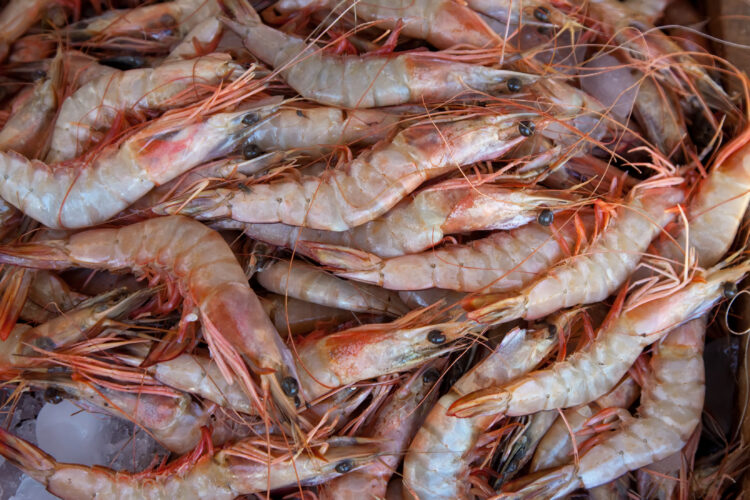
Before diving into the specifics of disease prevention and health management, it’s essential to understand the basic principles of shrimp health and wellness. Shrimp, like all living organisms, require a conducive environment, proper nutrition, and proactive management to thrive and reach their full potential. By addressing these fundamental needs, farmers can lay the foundation for healthy shrimp production and mitigate the risk of common health issues.
- Water Quality Management: Maintaining optimal water quality is paramount for the health and well-being of shrimp. Water quality parameters such as temperature, salinity, pH, dissolved oxygen levels, and ammonia concentrations should be carefully monitored and controlled to create a stable and conducive environment for shrimp growth and development. Regular water testing and analysis are essential to identify potential issues and take corrective actions promptly.
- Nutrition and Feeding: Providing a balanced and nutritious diet is essential to support the growth, immune function, and overall health of shrimp. Commercial shrimp feeds formulated specifically for different life stages and production systems are available and should be used according to recommended feeding regimes and guidelines. Additionally, supplementary feedings of natural foods such as algae, plankton, and organic matter can enhance the nutritional diversity of the shrimp diet and promote natural foraging behaviors.
- Habitat and Habitat Management: Shrimp thrive in habitats that mimic their natural environment, including ponds, tanks, or raceways with ample space, shelter, and substrate for hiding and foraging. Proper habitat management practices such as pond preparation, water exchange, and habitat enrichment are essential to create a healthy and productive environment for shrimp.
- Biosecurity and Disease Prevention: Implementing biosecurity measures is critical to prevent the introduction and spread of diseases in shrimp farming operations. These measures may include quarantine protocols, restricted access to facilities, disinfection procedures, and monitoring of water sources and wild populations for potential pathogens. By minimizing the risk of disease introduction and transmission, farmers can protect the health and integrity of their shrimp stocks.
Identifying Common Health Issues and Their Causes
Despite proactive management and preventive measures, shrimp farming operations may still encounter health issues from time to time. Understanding the common health issues affecting shrimp and their underlying causes is essential for prompt diagnosis and effective treatment. Some of the most common health issues observed in shrimp farming include:
- Bacterial Infections: Bacterial infections such as Vibrio spp., Aeromonas spp., and Pseudomonas spp. can cause significant mortality and economic losses in shrimp farming operations. These infections may occur as a result of poor water quality, overcrowding, stress, or exposure to contaminated feed or water sources. Symptoms may include lethargy, loss of appetite, abnormal behavior, and discoloration of the shell or gills.
- Viral Diseases: Viral diseases such as White Spot Syndrome Virus (WSSV), Infectious Hypodermal and Hematopoietic Necrosis Virus (IHHNV), and Taura Syndrome Virus (TSV) can devastate shrimp populations and lead to widespread mortality outbreaks. These diseases are highly contagious and can spread rapidly through shrimp farming facilities via contaminated water, equipment, or live feed. Symptoms may include lethargy, erratic swimming behavior, and characteristic white spots or lesions on the shell or appendages.
- Parasitic Infestations: Parasitic infestations such as protozoan parasites (e.g., Microsporidia, Perkinsus) and external parasites (e.g., monogenean flatworms, copepods) can cause damage to shrimp tissues and impair growth and development. These parasites may proliferate under conditions of poor water quality, overcrowding, or stress, and can be transmitted through contaminated water, feed, or equipment. Symptoms may include abnormal behavior, lethargy, loss of appetite, and visible signs of infestation on the body or appendages.
- Fungal Infections: Fungal infections such as Fusarium spp., Lagenidium spp., and Aphanomyces spp. can occur in shrimp farming operations with poor water quality, high organic loads, or inadequate habitat management. These infections may manifest as white or gray patches on the shell or appendages, abnormal growths, or lesions. Fungal infections are often secondary to underlying stressors or injuries and can be exacerbated by overcrowding, poor nutrition, or compromised immune function.
Proactive Management Strategies for Disease Prevention
Preventing and managing common health issues in shrimp farming requires a proactive and multi-faceted approach that addresses environmental, nutritional, and management factors. By implementing best management practices and adopting preventive measures, farmers can minimize the risk of disease outbreaks and ensure the health and productivity of their shrimp stocks.
- Biosecurity Protocols: Implement stringent biosecurity protocols to prevent the introduction and spread of pathogens in shrimp farming operations. This may include restricting access to facilities, disinfecting equipment and vehicles, screening incoming water sources, and practicing proper hygiene and sanitation procedures.
- Water Quality Monitoring: Monitor water quality parameters regularly and take corrective actions as needed to maintain optimal conditions for shrimp health and growth. This may include adjusting water temperature, salinity, pH, dissolved oxygen levels, and ammonia concentrations, as well as conducting regular water testing and analysis.
- Nutritional Management: Provide a balanced and nutritious diet to support the growth, immune function, and overall health of shrimp. Use high-quality commercial shrimp feeds formulated for different life stages and production systems, and avoid overfeeding or underfeeding. Supplemental feedings of natural foods such as algae, plankton, and organic matter can enhance the nutritional diversity of the shrimp diet and promote natural foraging behaviors.
- Habitat Enhancement: Create a healthy and productive habitat for shrimp by implementing habitat enhancement measures such as pond preparation, habitat enrichment, and habitat restoration. Provide ample space, shelter, and substrate for hiding, foraging, and reproduction, and avoid overcrowding to minimize stress and competition for resources.
- Disease Monitoring and Surveillance: Implement regular disease monitoring and surveillance protocols to detect potential health issues early and take prompt corrective actions. This may include visual inspection of shrimp stocks for signs of illness, routine health screenings, and diagnostic testing of water samples, tissue samples, or shrimp populations for pathogens.
Conclusion: Cultivating a Bright Future for Shrimp Farming
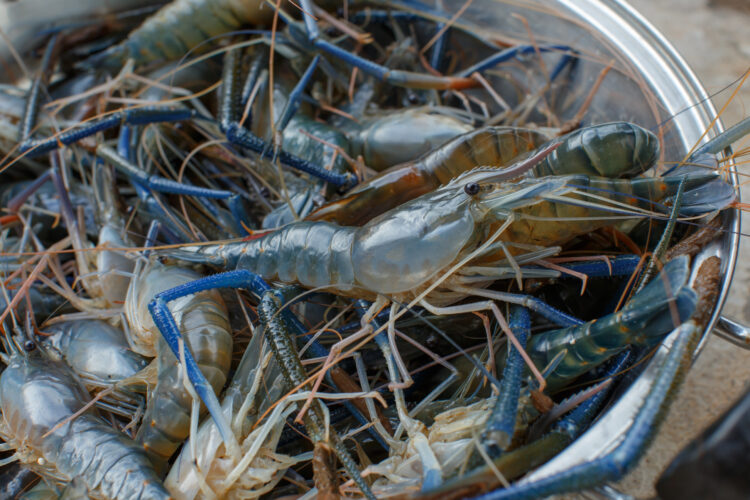
In conclusion, raising healthy shrimp requires a comprehensive approach that addresses the complex interplay of environmental, nutritional, and management factors. By understanding the basic principles of shrimp health and wellness, identifying common health issues and their causes, and implementing proactive management strategies for disease prevention, farmers can cultivate a thriving aquatic ecosystem and ensure the long-term success of their shrimp farming operations. With careful attention to detail, dedication to best practices, and a commitment to sustainability, the future of shrimp farming is bright, promising, and full of potential for growth and prosperity.
Previous Article

Written by
Ajay Kuriakose Jacobs
Shrimp Farming
March 25, 2024
© Copyright 2026 Ajay Kuriakose Jacobs All Rights Reserved.
Archive
Frequently Read Topics


