














Embarking on a Shrimp Farming Venture: A Comprehensive Guide to Starting Your Business
Shrimp Farming Venture
Shrimp farming presents an enticing opportunity for entrepreneurs looking to enter the aquaculture industry and capitalize on the growing demand for high-quality seafood products. As with any business venture, launching a shrimp farm requires careful planning, strategic decision-making, and a thorough understanding of the industry’s nuances. In this comprehensive guide, we will explore the essential steps to starting a shrimp farm as a business venture, covering key aspects such as costs, funding options, and strategic planning to set you on the path to success.
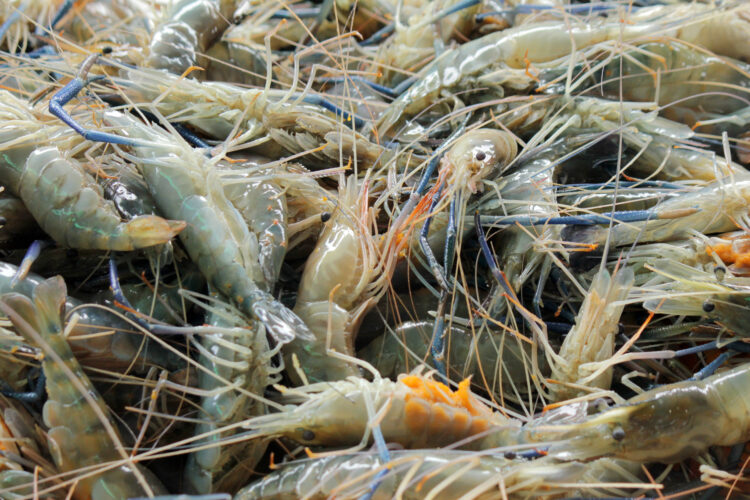 Shrimp Farming Venture: A Comprehensive Guide to Starting Your Business 45" srcset="https://ajaykuriakosejacobs.com/wp-content/uploads/2024/03/full-frame-shot-fish-750x500.jpg 750w, https://ajaykuriakosejacobs.com/wp-content/uploads/2024/03/full-frame-shot-fish-1024x683.jpg 1024w, https://ajaykuriakosejacobs.com/wp-content/uploads/2024/03/full-frame-shot-fish-768x512.jpg 768w, https://ajaykuriakosejacobs.com/wp-content/uploads/2024/03/full-frame-shot-fish-1536x1024.jpg 1536w, https://ajaykuriakosejacobs.com/wp-content/uploads/2024/03/full-frame-shot-fish-2048x1365.jpg 2048w, https://ajaykuriakosejacobs.com/wp-content/uploads/2024/03/full-frame-shot-fish-150x100.jpg 150w" sizes="(max-width: 706px) 89vw, (max-width: 767px) 82vw, 740px" />
- Understanding the Shrimp Farming Industry
Before diving into the specifics of starting a shrimp farm, it’s crucial to gain a comprehensive understanding of the shrimp farming industry, including market trends, production methods, and regulatory requirements. Here are some key points to consider:
- Market Demand: Research market demand for shrimp products in your target region, including consumer preferences, pricing trends, and market dynamics. Identify potential market niches, distribution channels, and customer segments to tailor your business strategy accordingly.
- Production Methods: Familiarize yourself with different shrimp farming techniques, such as pond culture, raceway systems, and recirculating aquaculture systems (RAS). Assess the pros and cons of each production method based on factors such as land availability, water resources, investment costs, and production scalability.
- Regulatory Considerations: Investigate regulatory requirements, permitting processes, and environmental regulations governing shrimp farming operations in your area. Obtain necessary licenses, permits, and approvals from local authorities and regulatory agencies to ensure compliance with legal requirements.
- Conducting Market Research and Feasibility Analysis
Market research and feasibility analysis are essential steps in the process of starting a shrimp farm, helping you assess the viability and potential profitability of your business venture. Here’s how to conduct effective market research and feasibility analysis:
- Identify Target Market: Define your target market and assess demand for shrimp products among consumers, retailers, wholesalers, and food service providers. Evaluate market size, growth potential, competitive landscape, and distribution channels to identify market opportunities and challenges.
- Assess Production Costs: Estimate the costs associated with establishing and operating a shrimp farm, including land acquisition or lease, infrastructure development, equipment procurement, labor expenses, feed costs, utilities, and overhead expenses. Conduct a thorough cost-benefit analysis to evaluate the financial feasibility of your venture and determine your break-even point and expected return on investment (ROI).
- Evaluate Risks and Challenges: Identify potential risks, challenges, and mitigating strategies associated with shrimp farming, such as disease outbreaks, environmental fluctuations, market volatility, regulatory compliance issues, and operational constraints. Develop contingency plans and risk management strategies to address potential challenges and minimize business disruptions.
- Developing a Business Plan
A well-crafted business plan serves as a roadmap for your shrimp farming venture, outlining your business objectives, strategies, and operational plans. Here’s what to include in your business plan:
- Executive Summary: Provide a concise overview of your business concept, market opportunity, competitive advantage, and financial projections.
- Business Description: Describe your shrimp farming business in detail, including your mission statement, vision, goals, and values. Define your target market, product offerings, production methods, and unique selling propositions (USPs).
- Market Analysis: Present findings from your market research, including market size, growth trends, consumer preferences, competitive analysis, and target market segmentation. Identify market opportunities, gaps, and niche markets that your business can capitalize on.
- Operational Plan: Outline your operational strategy, including production processes, facility layout, equipment requirements, supply chain logistics, and quality control measures. Define key operational milestones, timelines, and performance metrics to track progress and measure success.
- Marketing and Sales Strategy: Describe your marketing and sales approach, including branding, promotion, pricing strategy, distribution channels, and customer acquisition tactics. Outline your sales forecast, revenue projections, and strategies for market penetration and expansion.
- Financial Projections: Prepare comprehensive financial projections, including income statements, cash flow forecasts, and balance sheets. Estimate startup costs, operating expenses, revenue projections, and profitability metrics over a defined period, typically three to five years. Include sensitivity analysis and break-even analysis to assess the financial viability and risk exposure of your business.
- Securing Financing and Funding
Once you have developed a solid business plan, the next step is to secure financing and funding to launch and grow your shrimp farming venture. Here are some financing options to consider:
- Self-Funding: Use personal savings, investments, or assets to finance your shrimp farming business. Self-funding allows you to retain full ownership and control of your business but may require a significant initial investment.
- Bank Loans: Apply for a small business loan or line of credit from banks, credit unions, or financial institutions to fund startup costs, working capital, and operational expenses. Prepare a detailed business plan, financial projections, and collateral to support your loan application.
- Government Grants and Programs: Explore government grants, subsidies, tax incentives, and loan programs available to support agricultural and aquaculture enterprises. Check with local government agencies, economic development organizations, and industry associations for funding opportunities and eligibility criteria.
- Investor Funding: Seek investment capital from angel investors, venture capitalists, or private equity firms interested in the aquaculture sector. Prepare a compelling investment pitch, financial projections, and valuation analysis to attract potential investors and secure funding for your business.
- Crowdfunding: Consider crowdfunding platforms such as Kickstarter, Indiegogo, or GoFundMe to raise capital from individual backers, supporters, and crowdfunding investors. Launch a crowdfunding campaign to showcase your business concept, generate buzz, and raise funds from a broad audience of potential investors.
- Establishing Operations and Implementation
With financing secured and a solid business plan in place, it’s time to roll up your sleeves and bring your shrimp farming venture to life. Here’s how to establish operations and implement your business plan effectively:
- Site Selection and Infrastructure: Identify a suitable location for your shrimp farm, considering factors such as land availability, water access, environmental conditions, and proximity to markets or processing facilities. Develop infrastructure, including ponds, tanks, raceways, hatcheries, nurseries, processing facilities, and administrative buildings, to support your operations.
- Equipment and Technology: Invest in equipment, technology, and machinery to support shrimp farming activities, such as aeration systems, water pumps, filtration systems, feeders, aerators, monitoring devices, and harvesting equipment. Choose equipment that is reliable, energy-efficient, and suitable for your production scale and operational requirements.
- Hatchery and Seedstock: Establish a hatchery or source high-quality shrimp seedstock from reputable suppliers or hatcheries to stock your ponds or tanks. Ensure the genetic quality, health status, and size consistency of your seedstock to achieve optimal growth and performance in your farm.
- Workforce and Training: Recruit and train a skilled workforce with experience in aquaculture operations, shrimp farming techniques, and safety protocols. Provide ongoing training, professional development, and performance feedback to empower your team and ensure operational excellence.
- Operational Protocols: Develop standard operating procedures (SOPs), biosecurity protocols, and quality assurance measures to maintain optimal conditions for shrimp health, growth, and productivity. Implement strict hygiene practices, disease prevention measures, and water management protocols to minimize risks and ensure compliance with regulatory requirements.
- Marketing and Sales: Launch marketing and sales initiatives to promote your shrimp products, build brand awareness, and attract customers. Utilize digital marketing channels, social media platforms, e-commerce websites, and traditional marketing tactics to reach target audiences and drive sales. Build relationships with distributors, retailers, restaurants, and seafood buyers to expand your market reach and distribution network.
- Monitoring, Evaluation, and Adaptation
Once your shrimp farm is operational, it’s essential to monitor performance, evaluate results, and adapt your strategies as needed to achieve your business goals. Here’s how to monitor and evaluate your shrimp farming operations effectively:
- Performance Metrics: Track key performance indicators (KPIs), such as production yields, survival rates, feed conversion ratios (FCR), growth rates, water quality parameters, and financial metrics. Use data analytics, monitoring systems, and reporting tools to analyze trends, identify patterns, and make informed decisions.
- Feedback Mechanisms: Establish feedback mechanisms, communication channels, and customer feedback loops to gather input, insights, and suggestions from stakeholders, including employees, customers, suppliers, and industry partners. Use feedback to identify areas for improvement, address concerns, and enhance operational efficiency.
- Continuous Improvement: Embrace a culture of continuous improvement and innovation within your organization, encouraging experimentation, creativity, and learning. Implement feedback-driven improvements, process optimizations, and technology upgrades to enhance productivity, quality, and sustainability in your shrimp farming operations.
Conclusion: Seizing Opportunities in Shrimp Farming
In conclusion, starting a shrimp farm as a business venture offers exciting opportunities for aspiring entrepreneurs, investors, and stakeholders to enter the dynamic and lucrative aquaculture industry. By following the steps outlined in this guide, including conducting market research, developing a business plan, securing financing, establishing operations, and monitoring performance, you can lay the foundation for a successful and sustainable shrimp farming enterprise. With careful planning, strategic execution, and a commitment to excellence, you can unlock the full potential of shrimp farming and contribute to the global seafood supply chain while building a profitable and rewarding business for the future.

Written by
Ajay Kuriakose Jacobs
Shrimp Farming
March 26, 2024
© Copyright 2026 Ajay Kuriakose Jacobs All Rights Reserved.
Archive
Frequently Read Topics


