














Alpine Goat Breed: Unveiling Their Exceptional Kidding Abilities, Disease Resistance, Breed Qualities, and Market Demand
Alpine Goat Breed: Unveiling Their Exceptional Kidding Abilities, Disease Resistance, Breed Qualities, and Market Demand
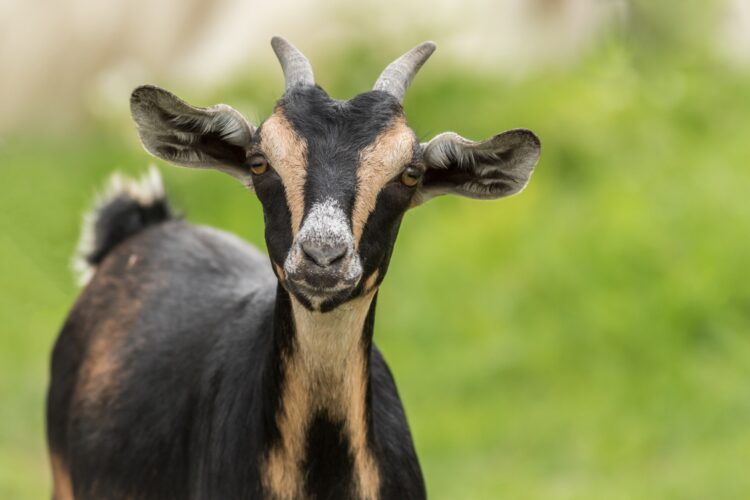
Nestled amidst the picturesque landscapes of the Alps, the Alpine goat breed stands as a testament to resilience, adaptability, and agricultural heritage. Renowned for their hardy nature, versatile qualities, and exceptional performance, Alpine goats have become prized assets to farmers and enthusiasts worldwide. In this comprehensive guide, we delve into the unique characteristics of the Alpine goat breed, including their kidding abilities, resistance to diseases, breed qualities, and market demand, shedding light on their significance in sustainable agriculture and rural economies.
- Origin and History:
The Alpine goat breed originated in the rugged mountainous regions of Europe, particularly the French and Swiss Alps, where they were bred for their milk production, adaptability, and hardiness. These goats were developed through centuries of selective breeding, resulting in a breed well-suited to the harsh alpine environment. Over time, Alpine goats found their way to other parts of the world, where they were further refined and adapted to diverse climatic conditions. Today, Alpine goats are recognized for their versatility, productivity, and valuable contributions to dairy farming and homesteading practices.
- Characteristics:
- Size and Build: Alpine goats are medium to large-sized animals with a sturdy build, well-developed muscles, and strong legs. They possess a balanced body structure, with a straight back, broad chest, and firm stance, giving them a robust and athletic appearance.
- Coat Color: The coat of Alpine goats comes in a variety of colors and patterns, including solid black, brown, tan, white, or a combination thereof. Some individuals may exhibit distinctive markings or spotting, adding to their visual appeal.
- Ears: Alpine goats typically have upright, erect ears of medium to large size. These ears are held alert and attentive, aiding in thermoregulation and enhancing auditory perception.
- Horns: Both male and female Alpine goats may have horns that vary in shape, size, and curvature. Some individuals may be naturally polled or have small, curved horns, while others may have larger, spiral-shaped horns.
- Temperament: Alpine goats are known for their friendly and sociable temperament, making them easy to handle and manage. They are intelligent and curious animals that enjoy exploring their surroundings and interacting with humans and other animals.
- Kidding Abilities:
Alpine does are renowned for their exceptional kidding abilities, exhibiting high fertility rates and strong maternal instincts. They are prolific breeders, often producing multiple kids per kidding, with litter sizes ranging from twins to triplets or even higher. The does demonstrate attentive care and nurturing behavior towards their offspring, ensuring their health and survival during the critical early stages of life.
- Disease Resistance:
Alpine goats are known for their overall hardiness and resilience to common goat ailments. With proper management practices, including regular vaccinations, parasite control, and nutrition, Alpine goats can maintain good health and thrive in various environmental conditions. However, like all livestock, they may be susceptible to certain diseases and health issues, requiring diligent care and attention from their owners.
- Breed Qualities:
- Milk Production: Alpine goats are prized for their exceptional milk production, yielding rich and flavorful milk with moderate to high butterfat content. The milk is renowned for its creamy texture and sweet taste, making it ideal for drinking, cheese making, and other dairy products. Alpine does are capable of producing significant quantities of milk throughout their lactation period, making them valuable assets to dairy farmers and homesteaders.
- Meat Production: While not as prolific as some meat breeds, Alpine goats are valued for their meat quality, which is tender, flavorful, and lean. The meat is prized for its succulent texture and rich taste, making it a favorite choice for culinary enthusiasts and meat connoisseurs alike.
- Adaptability: Alpine goats are highly adaptable to diverse climatic conditions and environmental settings, thriving in both temperate and alpine regions. They are well-suited to extensive grazing systems and small-scale farming operations, demonstrating resilience in the face of fluctuating environmental conditions.
- Versatility: Alpine goats are versatile animals that excel in various agricultural roles, including dairy production, meat production, and brush clearing. They are efficient foragers that can thrive on a wide range of vegetation, making them valuable assets in sustainable land management practices.
- Market Demand:
The Alpine goat breed has experienced growing demand in both domestic and international markets, driven by their superior milk production, meat quality, and adaptability. In many regions, Alpine goats are prized for their milk, which is in high demand for artisanal dairy products, specialty cheeses, and gourmet desserts. Additionally, the breed’s versatility and hardiness have led to increased interest from hobby farmers, homesteaders, and landowners seeking sustainable solutions for vegetation management and land stewardship.
Conclusion:
The Alpine goat breed stands as a testament to resilience, adaptability, and agricultural innovation. With their exceptional kidding abilities, disease resistance, and versatile qualities, Alpine goats have earned recognition as valuable assets to the livestock industry. Their high milk-producing capabilities, meat quality, and adaptability further underscore their importance in sustainable agriculture and rural economies. As the global demand for high-quality dairy and meat products continues to rise, Alpine goats stand poised to meet the evolving needs of consumers and contribute to the economic prosperity of farming communities around the world.
Previous Article

Written by
Ajay Kuriakose Jacobs
Goat Farming
March 25, 2024
© Copyright 2026 Ajay Kuriakose Jacobs All Rights Reserved.
Archive
Frequently Read Topics


