














Navigating Tomorrow: The Transformative Impact of Artificial Intelligence on Port Business and Its Boundless Growth Potential
Artificial Intelligence on Port Business and Its Boundless Growth Potential
In the ever-evolving landscape of global trade and logistics, the integration of artificial intelligence (AI) has emerged as a game-changer for the maritime industry. Ports, once synonymous with manual labor and traditional processes, are now at the forefront of a technological revolution driven by AI. This feature article embarks on a journey through the transformative impact of AI on port business, exploring its multifaceted applications and the unprecedented potential for growth it unlocks.
The Evolution of Port Operations: From Manual to Intelligent

- Historical Perspectives:
Traditionally, ports operated on labor-intensive and time-consuming processes. The movement of goods, documentation, and navigation within ports relied heavily on human effort. The historical evolution of ports, from ancient harbors to bustling trade hubs, reflected the gradual incorporation of technology. However, the true revolution began with the advent of AI.
The Port of Alexandria in ancient Egypt, a hub for Mediterranean trade, serves as a historical reference. In its time, the port relied on manual labor for the loading and unloading of goods, a far cry from the advanced AI-driven processes shaping today’s maritime industry.
- The Emergence of AI:
The integration of AI into port operations marks a paradigm shift. AI brings forth a new era of efficiency, predictive analytics, and automation. From optimizing cargo handling to enhancing security measures, AI has become the cornerstone of modern port management.
The Port of Rotterdam, one of the largest and most technologically advanced ports in the world, exemplifies the emergence of AI. Rotterdam’s commitment to digital innovation and AI applications has propelled it to the forefront of the maritime industry, setting a precedent for the global adoption of intelligent port technologies.
Current Landscape: AI Applications in Port Business
1.Smart Container Management:
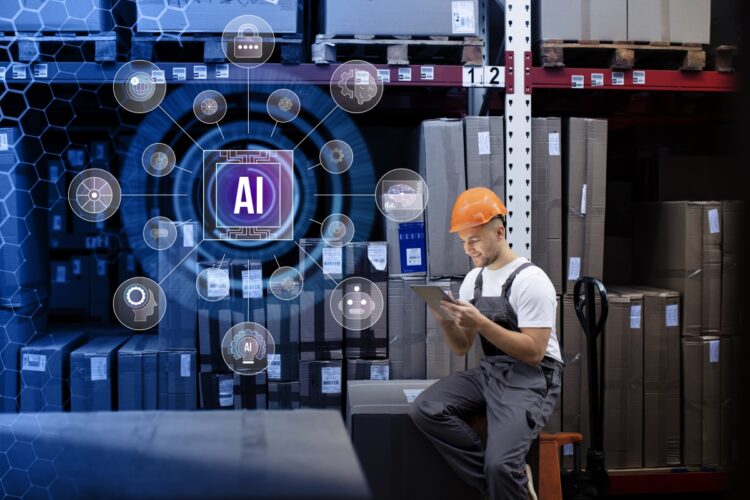
AI revolutionizes container management within ports by providing real-time insights into container locations, statuses, and contents. Smart container management systems, powered by AI algorithms, enable ports to optimize storage, streamline loading and unloading processes, and enhance overall operational efficiency.
The Port of Singapore, a global maritime hub, utilizes AI for smart container tracking. Singapore’s implementation of AI-driven container management contributes to the port’s reputation for efficiency and reliability.
2.Predictive Maintenance for Equipment:
The maintenance of port equipment, such as cranes and conveyors, is a critical aspect of ensuring uninterrupted operations. AI-driven predictive maintenance systems analyze equipment data to forecast potential issues, allowing for timely interventions and reducing downtime. This not only enhances operational efficiency but also extends the lifespan of costly machinery.
The Port of Shanghai, a major player in global trade, integrates AI for predictive maintenance of its equipment. Shanghai’s proactive approach to equipment management showcases the potential of AI in maintaining a robust and resilient port infrastructure.
3.Automated Terminal Operations:
AI-powered automation is transforming terminal operations within ports. Automated guided vehicles (AGVs), robotic cranes, and intelligent conveyor systems streamline the movement of containers from ships to storage areas. These systems enhance efficiency, reduce labor costs, and minimize human errors in terminal operations.
The Port of Los Angeles, one of the busiest ports in the world, adopts AI-driven automation for terminal operations. Los Angeles’ commitment to advanced technologies illustrates the role of AI in redefining the dynamics of port logistics.
4.Optimizing Traffic and Navigation:
AI plays a pivotal role in optimizing maritime traffic and navigation within port waters. Intelligent systems analyze data from sensors, weather forecasts, and vessel trajectories to facilitate efficient navigation, prevent collisions, and manage traffic congestion. This not only enhances safety but also contributes to the overall fluidity of port operations.
The Port of Hamburg, known for its technological advancements, utilizes AI for optimizing traffic and navigation. Hamburg’s smart navigation systems demonstrate how AI contributes to safer and more streamlined port environments.
5.Enhanced Security Measures:
Security is a paramount concern in port operations. AI applications, such as facial recognition, video analytics, and intrusion detection systems, enhance security measures within ports. These technologies provide real-time monitoring, threat detection, and response capabilities, bolstering the overall resilience of port security frameworks.
The Port of Long Beach, a major gateway on the U.S. West Coast, incorporates AI-driven security measures. Long Beach’s commitment to advanced security technologies exemplifies the role of AI in safeguarding ports against emerging threats.
6.Efficient Resource Allocation:
AI facilitates data-driven decision-making in resource allocation within ports. Predictive analytics and machine learning algorithms analyze historical data, current trends, and external factors to optimize the allocation of manpower, equipment, and resources. This results in cost savings, improved productivity, and a more agile response to fluctuating demands.
The Port of Antwerp in Belgium embraces AI for resource allocation and planning. Antwerp’s utilization of AI-driven insights underscores the importance of intelligent decision-making in port management.
The Growth Potential Unleashed by AI in Port Business
- Increased Operational Efficiency:
The adoption of AI translates into increased operational efficiency for ports. Automated processes, predictive analytics, and real-time monitoring enable ports to streamline workflows, reduce turnaround times, and handle larger volumes of cargo. The efficiency gains contribute to the overall competitiveness of ports in the global trade landscape.
The Port of Busan in South Korea reaps the benefits of increased operational efficiency through AI. Busan’s strategic implementation of intelligent technologies positions it as a dynamic and efficient player in the maritime industry.
2.Cost Reduction and Sustainability:
AI-driven optimization results in significant cost reductions for ports. From energy-efficient equipment usage to streamlined logistics processes, the cost savings associated with AI applications contribute to the economic sustainability of port operations. Additionally, by reducing manual labor and optimizing logistics, AI helps ports minimize their environmental impact, aligning with global sustainability goals.
The Port of Vancouver, Canada, is a shining example of how AI contributes to cost reduction and sustainability. Vancouver’s adoption of AI for efficient resource management and sustainable operations positions it as a leader in environmentally conscious port practices.
3.Enhanced Safety and Security:
AI’s impact on safety and security within ports cannot be overstated. Advanced surveillance systems, intelligent threat detection, and real-time monitoring significantly enhance the safety of port facilities. By proactively identifying potential risks and vulnerabilities, AI empowers ports to implement preventative measures, ensuring the protection of personnel, assets, and the overall port infrastructure.
The Port of Rotterdam’s commitment to safety through AI-driven security measures exemplifies how advanced technologies contribute to a secure and resilient maritime environment. Rotterdam’s proactive approach to risk management showcases the role of AI in fortifying port security.
4.Global Connectivity and Trade Facilitation:
The growth potential of AI extends beyond individual ports, fostering global connectivity and trade facilitation. Ports equipped with AI technologies can seamlessly integrate with global supply chain networks. This interconnectedness enables smoother cross-border operations, efficient information exchange, and a more agile response to dynamic market conditions.
The Port of New York and New Jersey, strategically located on the U.S. East Coast, exemplifies the role of AI in fostering global connectivity. New York’s adoption of intelligent technologies contributes to the port’s pivotal position in facilitating trade between North America, Europe, and beyond.
5.Innovation and Technological Leadership:
The incorporation of AI positions ports as hubs of innovation and technological leadership. Ports that embrace AI-driven solutions become pioneers in shaping the future of maritime operations. This not only attracts investments and partnerships but also positions ports as key players in the evolution of the global logistics ecosystem.
The Port of Tokyo, renowned for its innovation in the maritime sector, exemplifies the importance of technological leadership through AI. Tokyo’s initiatives underscore the transformative impact of AI in fostering a culture of innovation within the port industry.
Challenges and Strategies: Navigating the Seas of AI Implementation
- Data Security and Privacy Concerns:
The integration of AI in port operations involves the handling of vast amounts of sensitive data. Data security and privacy concerns emerge as significant challenges, requiring robust cybersecurity measures. Ports must invest in secure data storage, encryption, and compliance with data protection regulations to mitigate risks and build trust among stakeholders.
The Port of Hamburg, a frontrunner in technological advancements, addresses data security concerns through rigorous cybersecurity measures. Hamburg’s commitment to data protection underscores the importance of safeguarding information in the age of AI.
2.Integration with Legacy Systems:
Ports often have legacy systems and infrastructure that need to be seamlessly integrated with new AI technologies. Compatibility challenges may arise during the transition, requiring careful planning and strategic implementation. Ports must invest in technologies that facilitate interoperability and ensure a smooth integration process.
The Port of Marseille-Fos in France navigates the integration challenge by adopting AI solutions that align with existing infrastructure. Marseille-Fos’ approach highlights the importance of a phased transition to maintain operational continuity.
3.Workforce Adaptation and Training:
The widespread adoption of AI in port operations necessitates workforce adaptation and training. The implementation of automated systems may alter job roles and require personnel to acquire new skills. Ports must invest in training programs, reskilling initiatives, and fostering a culture of continuous learning to ensure a smooth transition for their workforce.
The Port of Sydney, Australia, places emphasis on workforce adaptation through comprehensive training programs. Sydney’s commitment to empowering its workforce showcases the importance of human capital development in the era of AI.
4.Regulatory Compliance:
The introduction of AI technologies in port operations must align with regulatory frameworks governing the maritime industry. Compliance with international standards and regulations is crucial to ensure the responsible and ethical use of AI. Ports must actively engage with regulatory authorities, contribute to the development of guidelines, and adhere to ethical AI principles.
The Port of Singapore, a global maritime leader, demonstrates a commitment to regulatory compliance in its adoption of AI technologies. Singapore’s adherence to international standards underscores the importance of responsible AI implementation.
5.Costs of Implementation:
While AI promises significant returns in terms of efficiency and cost savings, the initial costs of implementation can be substantial. Ports must carefully assess the return on investment, explore innovative financing models, and collaborate with industry partners to manage the financial implications of AI adoption.
The Port of Shanghai, known for its strategic investments in technology, navigates the costs of implementation through careful planning and a focus on long-term benefits. Shanghai’s approach highlights the importance of a holistic perspective when evaluating the costs and benefits of AI adoption.
Future Horizons: Sailing Towards Intelligent Port Ecosystems
As ports continue to navigate the seas of AI implementation, the horizon holds the promise of even greater advancements and transformative possibilities. The convergence of AI with other emerging technologies, such as the Internet of Things (IoT), blockchain, and 5G connectivity, will further amplify the impact on port business.
- AI and IoT Synergy:
The synergy between AI and IoT opens new frontiers for intelligent port ecosystems. Smart sensors and connected devices provide real-time data, feeding AI algorithms with a constant stream of information. This synergy enhances predictive analytics, automation, and decision-making capabilities, creating a more responsive and adaptive port environment.
The Port of Barcelona, a pioneer in digitalization, showcases the synergy of AI and IoT in creating a connected and intelligent port ecosystem. Barcelona’s initiatives underscore the potential of integrated technologies in shaping the future of port operations.
2.Blockchain for Transparent Supply Chains:
The integration of AI with blockchain technology holds the key to transparent and secure supply chains. AI-driven analytics combined with the decentralized and tamper-resistant nature of blockchain can revolutionize the tracking and verification of goods throughout the entire supply chain. This not only enhances visibility but also ensures the authenticity and integrity of data.
The Port of Rotterdam, a leader in blockchain applications, exemplifies the potential of combining AI with blockchain for transparent and efficient supply chains. Rotterdam’s initiatives underscore the role of integrated technologies in fostering trust and transparency in global trade.
3.5G Connectivity for Real-time Communication:
The advent of 5G connectivity brings unprecedented speed and reliability to communication networks within ports. AI applications, powered by high-speed 5G networks, can process and analyze data in real-time, enabling instant decision-making and responsiveness. This synergy creates a dynamic and interconnected port ecosystem that adapts to changing conditions seamlessly.
The Port of Los Angeles, situated in a technology-forward region, exemplifies the potential of AI and 5G connectivity for real-time communication. Los Angeles’ initiatives highlight the transformative power of high-speed networks in optimizing port operations.
Conclusion: Setting Sail into an Intelligent Future
As ports chart their course into the future, the integration of artificial intelligence emerges as the North Star guiding the maritime industry towards unprecedented growth and efficiency. From optimizing operations to enhancing security, AI has become an indispensable compass, shaping the evolution of port business in profound ways.
The impact of AI on port business extends beyond the confines of individual ports; it reverberates through global supply chains, fostering connectivity, resilience, and innovation. Ports that embrace AI not only position themselves as leaders in the maritime landscape but also contribute to the broader narrative of a digitally transformed and interconnected world.
As the maritime industry sets sail into an era defined by intelligent technologies, the seas of possibilities open wide. The transformative impact of AI on port business is not just a technological evolution but a journey towards a future where efficiency, sustainability, and innovation converge to create a maritime ecosystem that navigates the challenges of today and charts the course for a prosperous and intelligent tomorrow. The voyage into this intelligent future is not without challenges, but with each obstacle overcome, ports set sail towards horizons where the potential for growth knows no bounds.

Written by
Ajay Kuriakose Jacobs
Port Business
February 20, 2024
© Copyright 2026 Ajay Kuriakose Jacobs All Rights Reserved.
Archive
Frequently Read Topics


