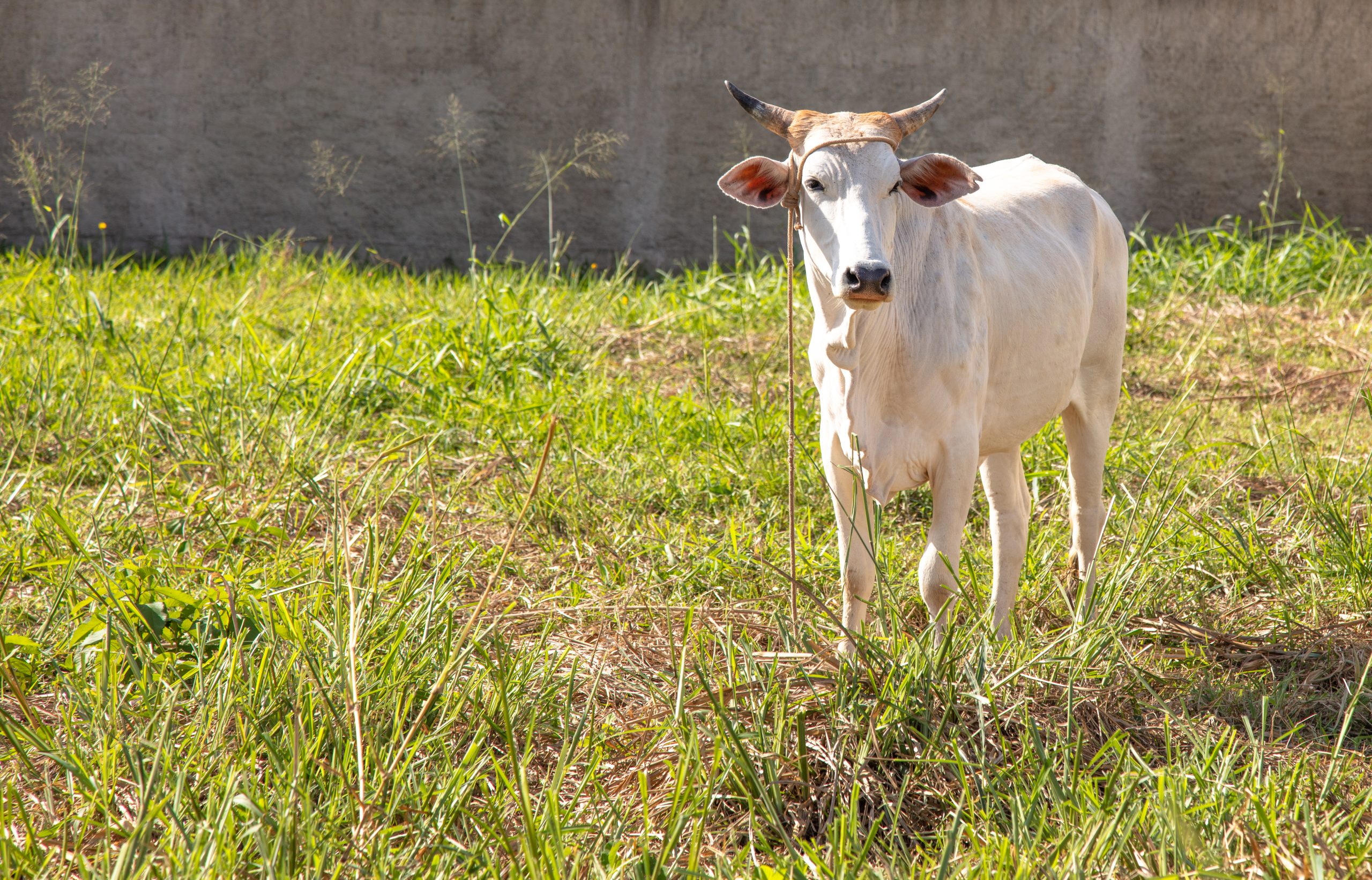











Empowering Indian Dairy Farmers: The Crucial Role of Cooperatives
Empowering Indian Dairy Farmers: The Crucial Role of Cooperatives
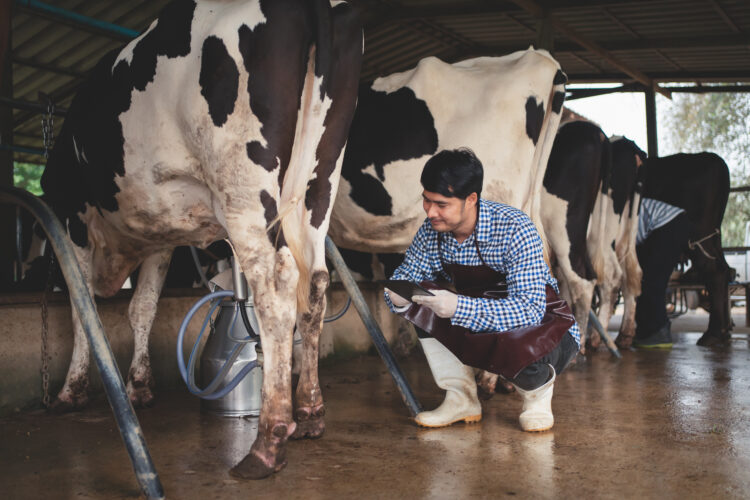
In the verdant landscapes of rural India, where the gentle rhythm of agrarian life resonates with the timeless traditions of dairy farming, cooperatives stand as beacons of hope and solidarity for millions of smallholder dairy farmers. As pillars of community-based development and collective action, dairy cooperatives play a pivotal role in empowering farmers, enhancing market access, and fostering socio-economic progress in the dairy sector. In this comprehensive exploration, we delve into the multifaceted role of cooperatives in supporting Indian cow dairy farmers, unraveling their transformative impact on livelihoods, empowerment, and rural development.
Foundations of Dairy Cooperatives in India:
The roots of India’s dairy cooperative movement can be traced back to the pioneering efforts of Dr. Verghese Kurien, the architect of the White Revolution and the founder of the National Dairy Development Board (NDDB) and the Gujarat Cooperative Milk Marketing Federation (GCMMF). Inspired by the principles of cooperative economics and social justice, Dr. Kurien envisioned a decentralized dairy industry where farmers would collectively own, manage, and benefit from milk processing and marketing enterprises.
The formation of the Anand Milk Union Limited (AMUL) in 1946 marked the beginning of India’s dairy cooperative revolution, catalyzing the establishment of a nationwide network of dairy cooperatives known as the “Amul Model.” This iconic model empowered dairy farmers to organize themselves into village-level cooperatives, known as milk producers’ societies (MPS), which aggregated milk from individual farmers, processed it into dairy products, and marketed them under the AMUL brand.
Empowering Farmers through Collective Action:
At the heart of the cooperative ethos lies the principle of collective action, wherein farmers join hands to pool resources, share risks, and leverage economies of scale for mutual benefit. Dairy cooperatives empower farmers by providing them with a collective voice, bargaining power, and market access, thereby enabling them to command better prices for their milk and negotiate fair terms of trade with dairy processors and retailers.
Moreover, dairy cooperatives facilitate access to essential inputs such as cattle feed, veterinary services, and extension support, enabling farmers to adopt best practices in animal husbandry, nutrition, and health management. By organizing training programs, capacity-building initiatives, and farmer education campaigns, cooperatives empower dairy farmers with the knowledge, skills, and resources needed to enhance productivity, quality, and profitability in their dairy operations.
Market Access and Value Addition:
One of the key functions of dairy cooperatives is to provide market access and value addition services to their member farmers, thereby ensuring a fair and transparent market for milk and dairy products. Cooperatives aggregate milk from individual farmers, standardize quality parameters, and transport it to centralized processing facilities where it is transformed into a wide range of dairy products such as milk, yogurt, butter, cheese, and ice cream.
Furthermore, dairy cooperatives invest in value addition initiatives such as product diversification, packaging innovation, and branding strategies to create differentiated dairy products that cater to diverse consumer preferences and market segments. By adding value to raw milk and diversifying their product portfolios, cooperatives capture a larger share of the consumer market, generate higher returns for farmers, and create employment opportunities along the dairy value chain.
Strengthening Farmer Collectives and Institutions:
Dairy cooperatives play a vital role in strengthening farmer collectives and institutions, fostering social cohesion, and promoting inclusive development in rural communities. Through democratic governance structures such as general body meetings, elected boards of directors, and participatory decision-making processes, cooperatives empower farmers to actively engage in the management and governance of their organizations.
Moreover, dairy cooperatives facilitate the formation of self-help groups, women’s dairy cooperatives, and youth farmer groups, enabling marginalized groups to access dairy-related livelihood opportunities, financial services, and social support networks. By promoting gender equality, social inclusion, and community participation, cooperatives contribute to the empowerment and upliftment of marginalized farmers, particularly women and youth, who are often disproportionately affected by poverty and social exclusion.
Innovations in Dairy Cooperatives:
Innovations in dairy cooperatives are driving transformative change in the dairy sector, leveraging technology, entrepreneurship, and market linkages to enhance efficiency, sustainability, and competitiveness. Digital technologies such as mobile-based milk collection systems, milk testing devices, and e-commerce platforms enable real-time monitoring of milk quality, traceability of products, and seamless integration of supply chains, thereby improving transparency and efficiency in dairy operations.
Furthermore, dairy cooperatives are embracing sustainable practices such as organic farming, renewable energy, and waste management to reduce environmental footprint, conserve natural resources, and mitigate climate change impacts. By promoting sustainable agriculture practices and eco-friendly technologies, cooperatives foster a culture of environmental stewardship and resilience among dairy farmers, ensuring the long-term viability and sustainability of dairy farming.
Challenges and Opportunities:
Despite their transformative impact, dairy cooperatives face several challenges in their quest to support Indian cow dairy farmers effectively. These challenges include:
- Market Volatility: Fluctuations in milk prices, demand-supply imbalances, and changing consumer preferences pose challenges for dairy cooperatives in ensuring stable incomes and market access for farmers.
- Infrastructure and Technology: Limited access to infrastructure such as cold chain facilities, milk processing plants, and transportation networks hinders the efficiency and scalability of dairy cooperatives, particularly in remote and rural areas.
- Financial Sustainability: Ensuring financial viability and sustainability of dairy cooperatives requires efficient management of resources, sound governance practices, and diversification of revenue streams beyond milk marketing.
- Policy and Regulatory Framework: Inadequate policy support, bureaucratic hurdles, and regulatory constraints impede the growth and expansion of dairy cooperatives, hindering their ability to serve the needs of farmers effectively.
However, amidst these challenges lie opportunities for innovation, collaboration, and collective action. By leveraging digital technologies, forging partnerships with private sector stakeholders, and advocating for supportive policies and regulations, dairy cooperatives can overcome barriers to growth and unlock new opportunities for empowerment, prosperity, and inclusive development in the dairy sector.
Conclusion: A Sustainable Future for Indian Dairy Farming
In conclusion, dairy cooperatives play a pivotal role in empowering Indian cow dairy farmers, enhancing market access, and fostering socio-economic progress in rural communities. Through collective action, value addition, and inclusive development initiatives, cooperatives empower farmers to achieve higher levels of productivity, profitability, and resilience in their dairy operations.
Moreover, dairy cooperatives embody the spirit of cooperation, solidarity, and social justice, fostering a culture of mutual support, shared prosperity, and community resilience among dairy farmers. As guardians of India’s rich dairy heritage and stewards of its rural economy, cooperatives pave the way for a sustainable future for Indian dairy farming, one where farmers are empowered, communities are resilient, and the legacy of cooperative entrepreneurship thrives for generations to come.

Written by
Ajay Kuriakose Jacobs
Dairy Farming
August 6, 2024
© Copyright 2026 Ajay Kuriakose Jacobs All Rights Reserved.
Archive
Frequently Read Topics