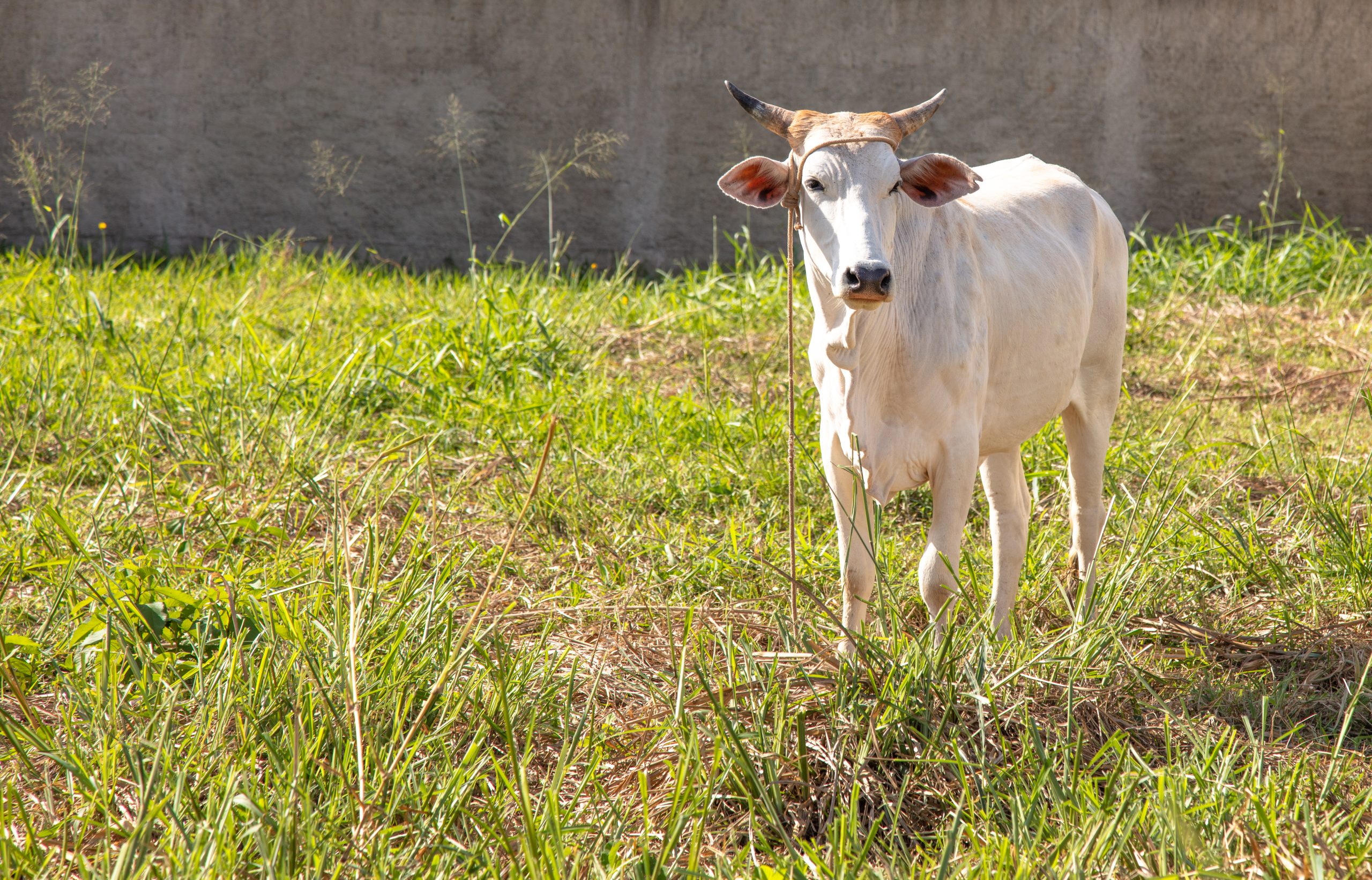











Forging Bonds, Building Resilience: Collaboration and Networking Opportunities for Indian Cow Dairy Farmers
Forging Bonds, Building Resilience: Collaboration and Networking Opportunities for Indian Cow Dairy Farmers
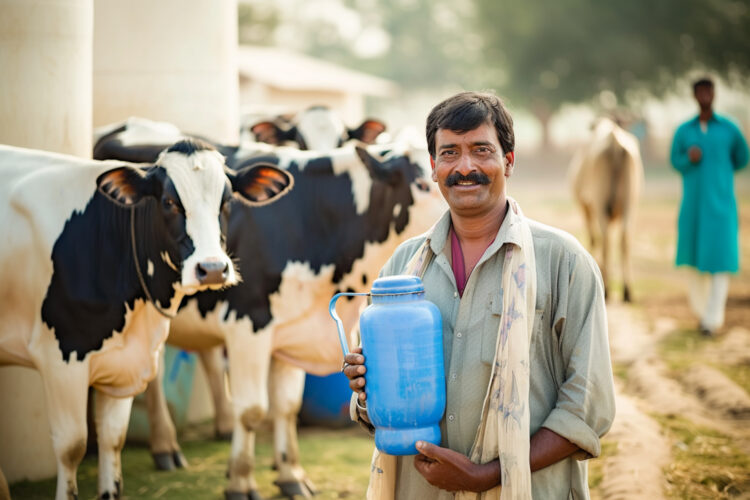
In the sprawling landscapes of rural India, where the gentle hum of nature blends with the rhythmic melodies of farm life, a quiet revolution is underway—one rooted in collaboration, solidarity, and shared aspirations for a brighter future. Indian cow dairy farmers, faced with myriad challenges and opportunities, are increasingly turning to collaboration and networking as catalysts for innovation, resilience, and collective empowerment. In this in-depth exploration, we delve into the transformative power of collaboration and networking in Indian cow dairy farming, uncovering the untapped potential and promising pathways for farmers to thrive in a rapidly evolving agricultural landscape.
The Power of Collaboration: Strength in Unity
At its core, collaboration among Indian cow dairy farmers embodies the age-old adage: “united we stand, divided we fall.” By pooling resources, knowledge, and expertise, farmers can overcome common challenges, seize new opportunities, and achieve collective goals that transcend individual capabilities. Collaboration takes various forms, from informal farmer groups and cooperatives to formal alliances, partnerships, and networks, each offering unique benefits and opportunities for farmers to connect, learn, and grow together.
- Farmer Cooperatives: Farmer cooperatives have long been recognized as powerful vehicles for collective action and economic empowerment in Indian agriculture. Dairy cooperatives such as Amul and Nandini have revolutionized the dairy industry, empowering farmers with fair prices, market access, and value-added processing capabilities. By pooling their milk, resources, and collective bargaining power, farmers can leverage economies of scale, negotiate better prices, and access credit, inputs, and services more efficiently.
- Producer Groups: Informal producer groups and self-help organizations offer grassroots platforms for farmers to share knowledge, exchange experiences, and collaborate on common issues such as animal health, breeding, and marketing. These groups provide a sense of community, camaraderie, and mutual support, fostering social cohesion and solidarity among farmers facing similar challenges and aspirations.
- Research and Extension Networks: Collaborative research and extension networks bring together farmers, researchers, extension agents, and policymakers to co-create knowledge, technologies, and best practices tailored to the needs and realities of Indian cow dairy farming. By facilitating dialogue, knowledge exchange, and participatory learning, these networks bridge the gap between science and practice, empowering farmers with evidence-based solutions and innovations to enhance productivity, sustainability, and resilience.
Networking: Connecting Farmers, Markets, and Resources
In an increasingly interconnected and globalized world, networking has emerged as a vital tool for Indian cow dairy farmers to access markets, information, and resources, and to forge partnerships and alliances that transcend geographic boundaries. Networking opportunities abound, both online and offline, offering farmers a platform to showcase their products, share experiences, and tap into new markets, technologies, and trends.
- Market Linkages: Networking platforms such as farmer markets, trade fairs, and agricultural exhibitions provide opportunities for farmers to showcase their products, interact with buyers, and explore new market channels and opportunities. Additionally, digital platforms and e-commerce marketplaces connect farmers directly with consumers, bypassing intermediaries and enabling them to capture a larger share of the value chain.
- Knowledge Exchange: Online forums, discussion groups, and social media platforms serve as virtual hubs for farmers to exchange ideas, seek advice, and learn from each other’s experiences. By participating in online communities and networks, farmers can access a wealth of information, resources, and expertise on topics ranging from animal husbandry and crop management to marketing and value addition.
- Capacity Building: Networking events, training workshops, and capacity-building programs offer farmers opportunities to enhance their skills, knowledge, and capabilities in various aspects of dairy farming. Collaborative initiatives such as farmer field schools, demonstration plots, and experiential learning programs provide hands-on training and mentorship, empowering farmers with practical skills and insights to improve their livelihoods and livelihoods.
Challenges and Opportunities: Navigating the Path Ahead
While collaboration and networking hold immense promise for Indian cow dairy farmers, they also pose challenges and complexities that require careful navigation and strategic engagement:
- Trust and Cooperation: Building trust and fostering cooperation among diverse stakeholders is essential for successful collaboration and networking. Overcoming historical rivalries, power dynamics, and cultural barriers may require patience, communication, and commitment to shared goals and values.
- Capacity Building: Strengthening the capacity of farmers, cooperatives, and networks to effectively engage in collaborative initiatives requires investment in training, infrastructure, and institutional support. Providing farmers with access to information, technology, and financial resources can enhance their ability to participate meaningfully in collaborative efforts and capitalize on networking opportunities.
- Policy Support: Creating an enabling policy environment that incentivizes collaboration, fosters innovation, and supports inclusive growth is essential for unleashing the full potential of collaboration and networking in Indian cow dairy farming. Policy reforms that promote farmer-led initiatives, value chain integration, and market access can unlock new opportunities for farmers to thrive in a competitive and dynamic agricultural landscape.
- Gender Inclusion: Promoting gender inclusion and women’s participation in collaborative initiatives and networks is critical for ensuring equitable and sustainable development in Indian cow dairy farming. Empowering women farmers with access to resources, training, and decision-making opportunities can enhance their resilience, productivity, and well-being, contributing to the overall success and resilience of dairy farming communities.
Conclusion: Cultivating Collaboration, Harvesting Resilience
In conclusion, collaboration and networking offer Indian cow dairy farmers a pathway to resilience, innovation, and collective empowerment in an ever-changing agricultural landscape. By forging bonds, building partnerships, and leveraging networks, farmers can overcome challenges, seize opportunities, and chart a course towards a more prosperous and sustainable future for Indian cow dairy farming.
As farmers come together, sharing knowledge, resources, and aspirations, they form a vibrant tapestry of collaboration—a tapestry woven with the threads of trust, cooperation, and shared purpose. In this tapestry, each farmer’s voice is heard, each farmer’s contribution is valued, and each farmer’s journey is celebrated—a celebration of resilience, unity, and hope that echoes across the verdant fields and tranquil pastures of rural India, inspiring generations to come.
Previous Article
Empowering Indian Dairy Farmers: The Crucial Role of Cooperatives
Written by
Ajay Kuriakose Jacobs
Dairy Farming
August 8, 2024
© Copyright 2026 Ajay Kuriakose Jacobs All Rights Reserved.
Archive
Frequently Read Topics