














Green Hydrogen Diplomacy: A Blueprint for Global Energy Collaboration
Green Hydrogen Diplomacy: A Blueprint for Global Energy Collaboration
In the ever-evolving landscape of global energy, a new player is emerging as a catalyst for international cooperation and sustainable development—green hydrogen. This exclusive feature delves into the potential of green hydrogen to facilitate energy trading and foster collaboration between nations. As the world seeks cleaner and more resilient energy solutions, green hydrogen is poised to become the cornerstone of a new era in global energy diplomacy.
- The Diplomacy of Energy: A Paradigm Shift in Global Relations


1.1 The Evolution of Global Energy Dynamics
Energy has long been a critical factor in shaping international relations, influencing alliances, and defining geopolitical strategies. The shift towards renewable energy sources is transforming the dynamics of global energy, offering new opportunities for cooperation and collaboration.
Renewables as a Diplomatic Tool: Redefining Power Structures**
Renewable energy, particularly green hydrogen, is emerging as a diplomatic tool, redefining traditional power structures. Nations endowed with abundant renewable resources, such as solar and wind, are positioned to play pivotal roles in shaping the global energy landscape.
Shared Energy Goals: A Common Ground for Collaboration**
As countries worldwide commit to reducing carbon emissions and achieving sustainability goals, shared energy objectives are fostering collaboration. Green hydrogen, with its potential for clean and versatile energy, becomes a common ground for nations to work together towards a collective vision of a low-carbon future.
- Green Hydrogen as a Global Energy Currency: A Vision Unveiled


2.1 The Promise of Green Hydrogen Trading
Green hydrogen, produced through electrolysis powered by renewable energy, holds the promise of becoming a global energy currency. Its potential for trading between nations presents an opportunity to create a more interconnected and sustainable world.
Cross-Border Hydrogen Trade: A Vision of Interconnectedness**
The vision of cross-border hydrogen trade involves nations exporting and importing green hydrogen to meet their energy needs. This trade model creates interdependence, fostering economic cooperation and reducing reliance on traditional fossil fuel sources.
Energy Security through Diversity: Mitigating Risks**
Green hydrogen trading offers a pathway to energy security through diversity. Nations can diversify their energy sources by importing hydrogen from regions with abundant renewable resources, reducing vulnerability to geopolitical risks associated with traditional energy imports.
2.2 Hydrogen Diplomacy: Building Bridges Between Nations
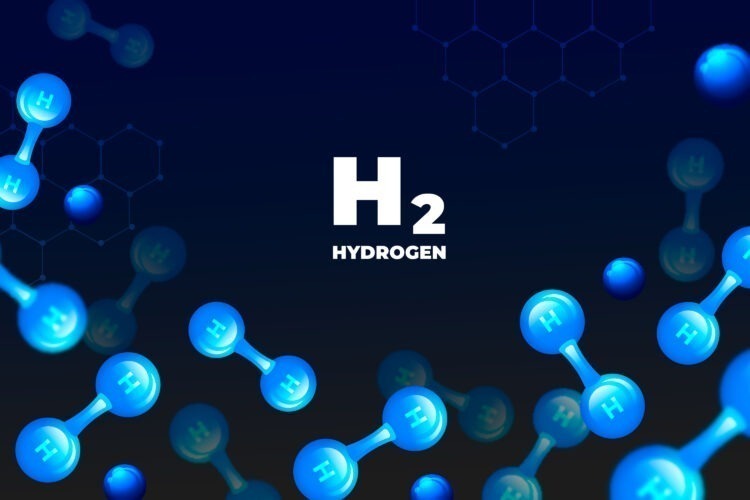
Green hydrogen, with its potential to transcend borders, is becoming a diplomatic bridge, connecting nations with shared interests in sustainable energy solutions.
Bilateral and Multilateral Agreements: Forging Sustainable Alliances**
Bilateral and multilateral agreements on green hydrogen trade can strengthen diplomatic ties between nations. Shared investments in production facilities, research, and infrastructure create a foundation for long-term collaboration and mutual benefit.
Green Hydrogen Corridors: Infrastructure for Global Cooperation**
The development of green hydrogen corridors, akin to existing trade routes, establishes physical infrastructure for the seamless transport and trade of hydrogen. These corridors foster economic growth, technological exchange, and diplomatic cooperation among participating nations.
- Nations at the Forefront: Pioneers in Green Hydrogen Diplomacy
3.1 Australia: A Hydrogen Export Powerhouse
Australia, with its vast solar and wind resources, is positioning itself as a hydrogen export powerhouse. The country’s ambitious projects, such as the Asian Renewable Energy Hub, aim to harness renewable energy for large-scale hydrogen production, opening avenues for collaboration with energy-hungry nations in Asia.
Hydrogen to Asia: Australia’s Export Vision**
Australia’s focus on exporting hydrogen to Asia aligns with the region’s growing energy demand. By leveraging its renewable energy potential, Australia aims to become a key supplier of green hydrogen, fostering economic ties and reinforcing diplomatic relations with Asian nations.
Technological Innovation: Advancing the Global Hydrogen Agenda**
Australia’s commitment to technological innovation, including advancements in electrolysis and hydrogen transport, positions the nation as a pioneer in green hydrogen diplomacy. Collaborative efforts with international partners contribute to a shared knowledge pool driving the global hydrogen agenda forward.
3.2 Germany: A Driving Force in European Hydrogen Collaboration

Germany, a leading advocate for renewable energy in Europe, is spearheading initiatives to foster green hydrogen collaboration within the European Union (EU) and beyond.
European Hydrogen Backbone: A Vision for Continental Integration**
Germany’s involvement in the European Hydrogen Backbone project reflects a commitment to continental integration through green hydrogen. The project envisions a network of hydrogen pipelines connecting European nations, promoting energy cooperation and reducing carbon emissions collectively.
Research and Development Partnerships: Nurturing Global Hydrogen Solutions**
Germany’s emphasis on research and development partnerships with nations like Japan and Australia demonstrates a commitment to nurturing global hydrogen solutions. Collaborative projects contribute to the advancement of hydrogen technologies and the establishment of a shared foundation for international cooperation.
- Geopolitical Implications: Navigating the Complexities of Hydrogen Diplomacy
4.1 Energy Independence vs. Interdependence
The pursuit of green hydrogen diplomacy raises questions about the balance between energy independence and interdependence. Nations must navigate the complexities of energy diplomacy, ensuring that collaboration does not compromise national security or sovereignty.
Strategic Alliances: Strengthening Global Influence**
Strategic alliances formed through green hydrogen collaboration can strengthen a nation’s global influence. By positioning themselves as key players in the emerging hydrogen economy, nations enhance their diplomatic standing and play influential roles in shaping the international energy agenda.
Energy Security Considerations: Mitigating Risks Through Collaboration**
Collaboration in green hydrogen trading can mitigate energy security risks by diversifying sources. While nations maintain control over their domestic energy production, partnerships with reliable hydrogen suppliers contribute to a more resilient and secure energy landscape.
4.2 Technological Leadership: Shaping Diplomatic Narratives
Technological leadership in green hydrogen production and utilization becomes a diplomatic asset. Nations at the forefront of hydrogen innovation can influence diplomatic narratives, setting standards, and shaping the global perception of their commitment to sustainability and technological advancement.
Global Influence through Innovation: A Diplomatic Advantage**
Nations that lead in green hydrogen innovation gain a diplomatic advantage. By exporting cutting-edge hydrogen technologies and solutions, these nations become ambassadors of sustainable development, influencing diplomatic relations and global perceptions.
Diplomatic Soft Power: Leveraging Sustainable Practices**
Nations embracing sustainable hydrogen practices enhance their diplomatic soft power. Demonstrating a commitment to environmental responsibility and collaboration in the hydrogen sector fosters positive diplomatic relations and reinforces a nation’s position on the global stage.
- The Role of International Organizations: Facilitating Hydrogen Diplomacy
5.1 United Nations Framework Convention on Climate Change (UNFCCC)
The UNFCCC plays a crucial role in facilitating international cooperation on climate change mitigation, providing a framework for nations to collectively address the challenges of transitioning to green hydrogen and sustainable energy solutions.
Global Climate Agreements: Aligning Hydrogen Diplomacy with Climate Goals**
International agreements, such as the Paris Agreement, provide a framework for aligning green hydrogen diplomacy with global climate goals. Nations committing to reduce carbon emissions can leverage hydrogen collaboration to meet their climate targets collectively.
Financial Support and Capacity Building: Empowering Developing Nations**
International organizations can contribute to hydrogen diplomacy by providing financial support and capacity-building initiatives, especially for developing nations. This support ensures that all nations, regardless of economic status, can actively participate in and benefit from the green hydrogen revolution.
5.2 International Renewable Energy Agency (IRENA): Driving Collaboration
IRENA plays a pivotal role in driving collaboration among nations in the field of renewable energy, including green hydrogen. Its initiatives and platforms provide a space for nations to share knowledge, best practices, and technological advancements, fostering a collaborative environment.
Knowledge Exchange: Accelerating Global Hydrogen Solutions**
IRENA’s focus on knowledge exchange accelerates global hydrogen solutions. By facilitating the exchange of expertise and lessons learned, IRENA contributes to the development of a collective understanding of the challenges and opportunities associated with green hydrogen.
Policy Guidance: Navigating Regulatory Frameworks**
International organizations, such as IRENA, can offer policy guidance to nations venturing into green hydrogen diplomacy. Clear regulatory frameworks and guidelines ensure that diplomatic efforts align with global standards, fostering a transparent and stable environment for collaboration.
- Challenges and Opportunities: The Path Forward in Hydrogen Diplomacy
6.1 Challenges in Hydrogen Diplomacy
While the potential for green hydrogen to facilitate energy trading and cooperation between nations is vast, challenges must be acknowledged and addressed for effective diplomatic engagement.
Infrastructure Development: Overcoming Investment Hurdles**
Establishing the necessary infrastructure for green hydrogen production, storage, and transport demands substantial investment. Nations must navigate financial challenges and collaborate to build a comprehensive hydrogen ecosystem.
Technological Standardization: Fostering Interoperability**
To streamline global hydrogen trade, nations must work towards technological standardization. Common standards for hydrogen production, storage, and transport enhance interoperability, facilitating smoother cross-border collaborations.
6.2 Opportunities and Synergies
Embracing the opportunities and synergies in green hydrogen diplomacy paves the way for a collaborative and sustainable global energy future.
Technology Transfer: Empowering Developing Nations**
Green hydrogen diplomacy offers opportunities for technology transfer, empowering developing nations to harness their renewable resources for hydrogen production. This creates a more inclusive and equitable global energy landscape.
Economic Growth and Job Creation: A Win-Win Scenario**
Collaboration in green hydrogen trading stimulates economic growth and job creation. Nations investing in hydrogen infrastructure and technologies benefit from new industries, research and development, and a skilled workforce.
- Conclusion: Green Hydrogen Diplomacy—A Catalyst for a Sustainable Future
As nations navigate the complexities of global energy dynamics, green hydrogen emerges as a transformative force, fostering cooperation, innovation, and sustainability. The potential for green hydrogen to facilitate energy trading and collaboration between nations opens a new chapter in diplomatic relations, one defined by shared goals and collective responsibility.
While challenges lie ahead, the opportunities presented by green hydrogen diplomacy are too compelling to ignore. As nations forge alliances, build infrastructure, and pioneer technological advancements, they contribute not only to their own energy security but also to a more interconnected and resilient world.
In the realm of green hydrogen diplomacy, nations find a common language—one that transcends borders and ideologies. It is a language of sustainability, innovation, and shared responsibility for the well-being of the planet. As the world embraces the promise of green hydrogen, it embarks on a journey towards a future where energy collaboration becomes a cornerstone of global unity—a unity that holds the key to a sustainable and thriving world for generations to come.

Written by
Ajay Kuriakose Jacobs
Green Hydrogen
February 22, 2024
© Copyright 2026 Ajay Kuriakose Jacobs All Rights Reserved.
Archive
Frequently Read Topics


