














Building the Ideal Coop for Organic Egg Production: A Comprehensive Guide
Building the Ideal Coop for Organic Egg Production: A Comprehensive Guide
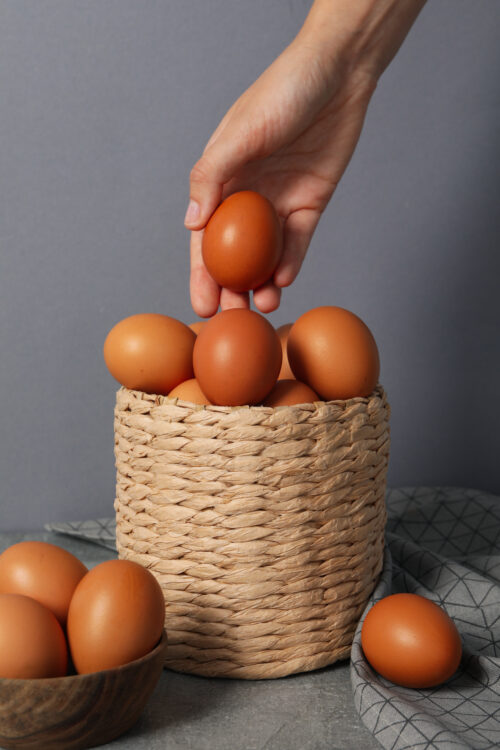
Building a well-designed and functional coop is essential for successful organic egg production. A properly constructed coop provides a comfortable and safe environment for hens, promotes natural behaviors, and ensures optimal egg quality. In this comprehensive guide, we explore the key considerations and essential steps involved in building the ideal coop for organic egg production, covering everything from site selection and design to materials, ventilation, and sustainability.
- Site Selection
Choosing the right location for your coop is the first step in building an ideal environment for organic egg production. Consider the following factors when selecting a site:
- Accessibility: Choose a location that is easily accessible for both you and your hens. Ensure that the coop is situated close to your home or a convenient access point for daily chores such as feeding, egg collection, and cleaning.
- Sunlight: Position the coop in an area with ample sunlight exposure throughout the day. Sunlight helps regulate temperature, reduces humidity, and promotes vitamin D synthesis in hens, contributing to overall health and egg quality.
- Drainage: Select a site with good drainage to prevent waterlogging and moisture buildup inside the coop. Avoid low-lying areas prone to flooding or areas with poor soil drainage that could lead to muddy conditions and health issues for hens.
- Protection: Choose a site that offers protection from predators such as foxes, raccoons, and birds of prey. Consider installing fencing, predator-proofing measures, or natural barriers such as shrubs or trees to deter predators and safeguard your hens.
- Design Considerations
The design of your coop plays a crucial role in creating a comfortable and functional space for organic egg production. Consider the following design considerations:
- Size: Ensure that the coop provides adequate space for your hens to move, perch, and nest comfortably. Allow a minimum of 2-3 square feet of floor space per hen inside the coop, and provide additional space for nesting boxes, perches, and feeding areas.
- Ventilation: Proper ventilation is essential for maintaining good air quality, controlling humidity, and preventing respiratory issues in hens. Incorporate windows, vents, or openings near the roofline to allow for natural airflow and ventilation throughout the coop.
- Nesting Boxes: Provide ample nesting boxes for hens to lay their eggs in a quiet and secluded area. Nesting boxes should be lined with clean bedding material such as straw or shavings and placed at a height of 12-18 inches above the floor to prevent egg breakage and discourage egg-eating behavior.
- Perches: Install sturdy perches or roosts for hens to rest and sleep at night. Perches should be positioned at varying heights to accommodate different-sized hens and allow for natural roosting behaviors.
- Access Doors: Include access doors or hatches for easy entry and exit for both hens and caretakers. Doors should be large enough to accommodate human access for cleaning, feeding, and egg collection, and equipped with secure latches or locks to prevent predators from gaining entry.
- Materials and Construction
Choosing the right materials and construction methods is essential for building a durable and long-lasting coop. Consider the following tips when selecting materials and building your coop:
- Natural Materials: Opt for natural and sustainable materials such as wood, bamboo, or recycled materials for construction. Avoid treated or pressure-treated wood, as it may contain harmful chemicals that can leach into the environment or be ingested by hens.
- Insulation: Consider adding insulation to the walls and roof of the coop to regulate temperature and improve energy efficiency. Insulation helps keep hens warm in winter and cool in summer, reducing heating and cooling costs and promoting comfort and well-being.
- Flooring: Choose flooring materials that are easy to clean, non-toxic, and resistant to moisture and odor buildup. Options include concrete, linoleum, or removable trays lined with absorbent bedding material such as straw or wood shavings.
- Roofing: Select roofing materials that provide adequate protection from the elements and ensure waterproofing and durability. Options include asphalt shingles, metal roofing, or corrugated plastic panels, depending on climate, budget, and aesthetic preferences.
- Predator-Proofing: Incorporate predator-proofing measures such as hardware cloth, welded wire mesh, or electric fencing to deter predators and protect hens from harm. Ensure that openings are small enough to prevent entry by predators such as raccoons, rats, and snakes.
- Sustainability and Environmental Impact
Building a sustainable coop for organic egg production involves minimizing environmental impact and promoting resource conservation. Consider the following sustainability principles when designing and constructing your coop:
- Energy Efficiency: Incorporate energy-efficient design features such as passive solar heating, natural ventilation, and LED lighting to reduce energy consumption and greenhouse gas emissions. Design the coop orientation to maximize solar exposure and minimize heating and cooling needs.
- Water Conservation: Implement water-saving measures such as rainwater harvesting, greywater recycling, and leak detection to minimize water usage and promote water efficiency. Install automatic waterers or nipple drinkers to reduce water waste and ensure clean and accessible water for hens.
- Waste Management: Develop a waste management plan to minimize waste generation, promote recycling and composting, and reduce environmental pollution. Collect and compost manure, bedding material, and organic waste to produce nutrient-rich compost for soil amendment and fertilizer.
- Natural Landscaping: Incorporate natural landscaping elements such as native plants, pollinator gardens, and wildlife habitat to enhance biodiversity, attract beneficial insects, and promote ecological resilience. Design the coop surroundings to integrate with the natural landscape and minimize ecological disruption.
- Maintenance and Care
Regular maintenance and care are essential for ensuring the longevity and functionality of your coop. Implement a maintenance schedule that includes the following tasks:
- Cleaning: Clean the coop regularly to remove debris, droppings, and soiled bedding material. Scrub surfaces with a mild detergent and disinfectant to prevent disease transmission and maintain hygiene.
- Inspection: Conduct routine inspections of the coop structure, roofing, flooring, and ventilation systems to identify any signs of damage, wear, or deterioration. Repair or replace damaged components promptly to prevent further issues and ensure structural integrity.
- Repairs: Address any repairs or maintenance issues as soon as they arise, such as leaky roofs, broken windows, or malfunctioning doors. Repair or replace damaged parts, hardware, or materials to prevent water infiltration, pest infestation, or structural failure.
- Upgrades: Consider periodic upgrades or improvements to enhance the functionality, efficiency, and sustainability of your coop. Install additional ventilation, insulation, or renewable energy systems to improve comfort and reduce environmental impact.
Conclusion: Creating the Ideal Environment for Organic Egg Production
In conclusion, building the ideal coop for organic egg production involves careful planning, design, and construction to create a comfortable, safe, and sustainable environment for hens. By considering factors such as site selection, design considerations, materials, sustainability, and maintenance, farmers can build coops that promote hen welfare, egg quality, and environmental stewardship. With a well-designed and functional coop, organic egg producers can maximize productivity, minimize environmental impact, and ensure the well-being of their hens for years to come.
Next Article
Cochin Chicken: Majestic Beauty with Heritage Roots
Written by
Ajay Kuriakose Jacobs
Chicken Farming
August 16, 2024
© Copyright 2026 Ajay Kuriakose Jacobs All Rights Reserved.
Archive
Frequently Read Topics


